






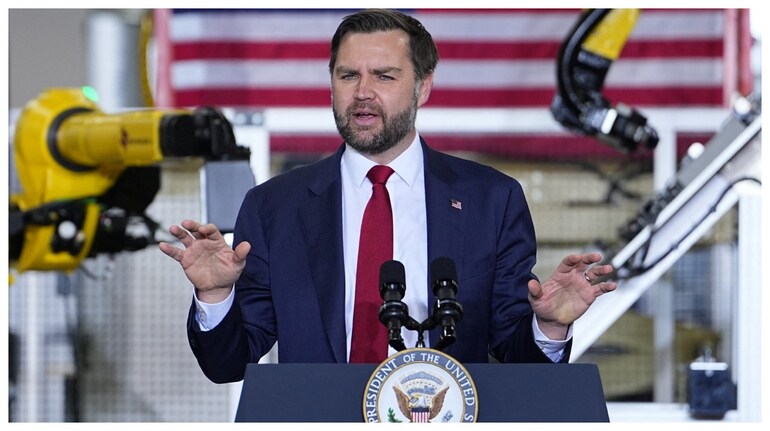
When US forces struck Iranian targets over the weekend, many of Donald Trump’s allies quickly rallied behind the decision. Cabinet members posted supportive messages and Republican lawmakers appeared on television defending the operation.
One senior figure, however, said almost nothing at first.
US Vice-President JD Vance, normally an active presence on social media and one of Trump’s most visible political defenders, remained publicly silent for nearly three days after the strikes began. In Washington, that absence was quickly noticed, the Financial Times reported.
A noticeable silence in Washington
Vance’s lack of comment stood out because he is usually among the first senior officials to defend the administration’s decisions. While he reposted official government messages online, he avoided making his own statement about the military campaign.
That prompted speculation in political circles about whether there was disagreement inside the administration over the decision to strike Iran. Critics and commentators openly asked why the vice-president had not spoken.
The silence ended when Vance appeared in a six-minute interview on Fox News. During the interview he strongly defended Trump’s actions, arguing that the president had a clear objective and was not planning another long military conflict in the Middle East.
Vance said the goal of the operation was simple: preventing Iran from obtaining a nuclear weapon.
A shift from his earlier positions
Even as he backed the president, the situation highlighted how much Vance’s position has evolved.
Before becoming vice-president, he built much of his political identity around opposing American military intervention abroad. In speeches and interviews, he repeatedly criticised what he called the US foreign policy establishment for dragging the country into costly wars.
Drawing on his experience as a Marine who served in Iraq, Vance argued in a 2024 Senate speech that the United States had spent too much time trying to police the world.
He made similar arguments during the 2024 election cycle. On a podcast that year, he warned that a war with Iran would be extremely expensive and could divert American resources from domestic priorities.
Those earlier comments resurfaced quickly after the strikes on Iran, raising questions about how Vance would reconcile his past views with the administration’s actions.
The political stakes for Vance
The issue carries particular importance for the vice-president because many Republicans see him as a likely presidential candidate in 2028.
If he eventually seeks the White House, he will have to defend the Trump administration’s foreign policy record, including its decision to launch military operations against Iran.
Public opinion could complicate that task. A Reuters/Ipsos poll conducted after the strikes found that only about one quarter of Americans supported the initial attacks, while roughly half believed Trump was too willing to use military force.
The White House response
The administration has dismissed suggestions that Vance was sidelined from the decision-making process.
Officials say he was involved in discussions and monitored the operation from the White House Situation Room while Trump oversaw the strikes from his Mar-a-Lago residence alongside other senior advisers.
Trump himself said the vice-president did not need convincing about the operation.
Vance, for his part, has emphasised that the administration’s objective is narrowly defined: ensuring Iran never acquires nuclear weapons while avoiding another prolonged Middle East war like Iraq or Afghanistan.
Whether the conflict stays limited may determine how comfortably the vice-president can maintain that position in the months ahead.
Discover the latest Business News, Sensex, and Nifty updates. Obtain Personal Finance insights, tax queries, and expert opinions on Moneycontrol or download the Moneycontrol App to stay updated!
Find the best of Al News in one place, specially curated for you every weekend.
Stay on top of the latest tech trends and biggest startup news.




