






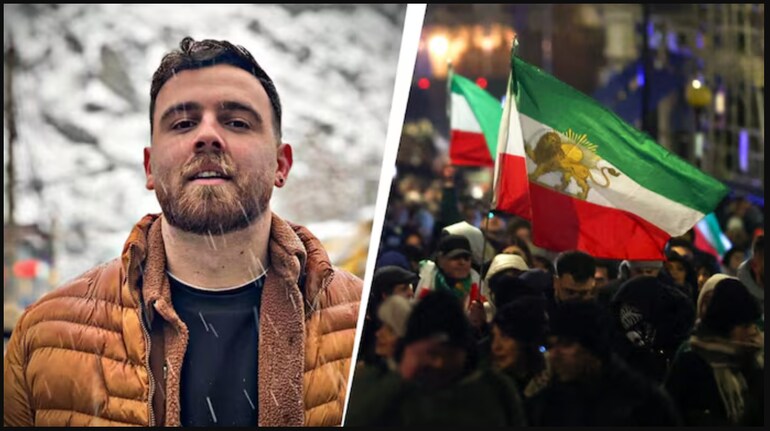

Iran is allegedly set to carry out its first hanging execution connected to the ongoing anti-government protests, according to multiple human rights organisations and international media reports.
Erfan Soltani, a 26-year-old protester from Fardis in the Karaj suburb near Tehran, is reportedly scheduled to be executed on Wednesday after being arrested during demonstrations earlier this month. Iran Human Rights (IHR) and the National Union for Democracy in Iran (NUFD) said Soltani was detained on January 8 while participating in protests against Supreme Leader Ayatollah Ali Khamenei.
“His family was told that he had been sentenced to death and that the sentence is due to be carried out on 14 January,” the IHR said. The NUFD stated that Soltani’s “only crime is calling for freedom for Iran” and has urged the international community to intervene to stop the execution.
Human rights groups allege that Soltani has been denied basic legal rights, including access to a lawyer. According to reports, his sister, who is a licensed lawyer, has been prevented from reviewing his case file or representing him. Authorities reportedly allowed the family only a brief 10-minute visit after informing them of the death sentence on January 11.
Soltani has been charged with “waging war against God,” an offence punishable by death under Iranian law, according to The US Sun. However, the execution order has not been independently verified due to a nationwide communications blackout.
The Hengaw Organisation for Human Rights, a Norway-based Kurdish civil rights group, has raised serious concerns over the lack of transparency in the legal proceedings. A source close to the family told Hengaw that authorities have informed them the sentence is final and will be carried out as scheduled.
If implemented, Soltani’s execution would mark the first reported hanging linked to the current wave of protests. While Iran has previously executed dissidents, those punishments were largely carried out by firing squad.
The protests erupted in late December 2025 amid severe economic distress, including a sharp fall in the value of the Iranian rial, rising inflation, and soaring prices of essential goods. What began in Tehran’s bazaars quickly spread nationwide, drawing participation from students, shopkeepers, and working-class citizens.
Iranian authorities have described protesters as “rioters” and launched a sweeping crackdown. Human rights groups estimate that more than 10,000 people have been detained in recent weeks, while over 500 deaths have been reported so far.
IHR Director Mahmood Amiry-Moghaddam warned that the death toll could rise sharply.
Lebanese-Australian entrepreneur Mario Nawfal also drew attention to the case in a post on X, warning that Soltani’s execution could be “the first of many” and alleging that authorities are using fear to suppress dissent. Nawfal claimed that nearly 2,000 people have died in the unrest, though the figure remains unverified.
As protests evolve from economic grievances into calls for systemic political change, activists say the movement represents one of the most serious challenges to Iran’s clerical leadership in years. Despite mounting international concern, Iranian officials have so far shown no indication of halting executions or easing their response.
Discover the latest Business News, Sensex, and Nifty updates. Obtain Personal Finance insights, tax queries, and expert opinions on Moneycontrol or download the Moneycontrol App to stay updated!
Find the best of Al News in one place, specially curated for you every weekend.
Stay on top of the latest tech trends and biggest startup news.





