






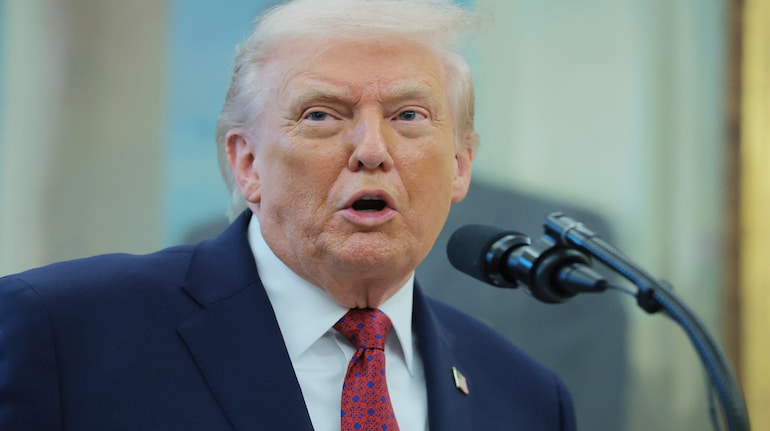
US President Donald Trump has released what the White House calls a “Great Healthcare Plan”, presenting it as a major push to make health care more affordable for Americans. The proposal, announced this week, outlines the administration’s priorities but leaves most of the difficult policy choices to US Congress.
The framework focuses on lowering prescription drug prices, reducing insurance premiums and expanding price transparency across the health care system. It does not, however, extend enhanced Affordable Care Act subsidies that expired at the end of last year, a lapse that has pushed premiums sharply higher for millions of people buying coverage on the exchanges in 2026.
It also avoids any changes to Medicare or Medicaid, the two programmes that together cover close to 150 million Americans, CNN reported.
Lower drug prices, with limits
A central plank of the plan is a call for Congress to codify so-called “Most Favoured Nation” pricing agreements that the administration has reached with 16 drugmakers. Under these voluntary deals, manufacturers agree to sell medicines to Medicaid and launch new drugs in the United States at prices tied to the lowest levels paid in comparable countries.
Drugmakers have also agreed to sell some medicines at discounted cash prices through a forthcoming TrumpRx programme and to expand manufacturing in the United States in exchange for temporary relief from pharmaceutical import tariffs.
Health policy experts caution that while some patients may benefit, the agreements are unlikely to significantly reduce overall drug spending for most Americans.
Insurance premiums and subsidies
On insurance, the plan proposes sending federal subsidies directly to consumers rather than insurers, allowing people to buy coverage on their own. Supporters say this could give healthier individuals access to cheaper plans outside the Affordable Care Act marketplaces. Critics warn it could drive up costs for sicker patients who remain in the exchanges by shrinking the risk pool.
The framework also calls for restoring federal funding for cost-sharing subsidies that reduce out-of-pocket expenses for lower-income enrollees. Those subsidies were eliminated during Trump’s first term, leading insurers to raise premiums on certain plans. The Congressional Budget Office has estimated that restoring them could save taxpayers money over time, though the impact would vary across plans.
Insurers and pharmacy middlemen
The proposal takes aim at pharmacy benefit managers, or PBMs, calling for an end to rebates and payments that critics say inflate drug and insurance costs. Congress has debated PBM reform for years without passing legislation, and industry groups argue they help negotiate lower prices for insurers.
Insurers would also be required to publish clearer information about premiums, coverage, claim denial rates and decision timelines. Much of this data is already available under existing law, though not always in a consumer-friendly format.
Price transparency and unanswered questions
The plan would require hospitals and insurers that accept Medicare or Medicaid to publicly post prices and fees. Similar rules were introduced during Trump’s first term, but studies suggest most patients rarely shop for care, limiting the impact.
What remains unclear is how the administration plans to turn the framework into law, or whether Congress will act on its key elements. With major affordability pressures continuing to build, the plan raises as many questions as it answers.
Discover the latest Business News, Sensex, and Nifty updates. Obtain Personal Finance insights, tax queries, and expert opinions on Moneycontrol or download the Moneycontrol App to stay updated!
Find the best of Al News in one place, specially curated for you every weekend.
Stay on top of the latest tech trends and biggest startup news.




