






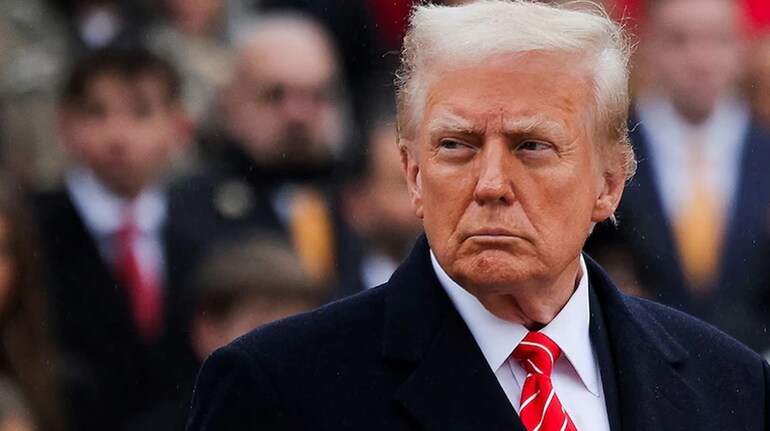

The Supreme Court of the United States on February 20 struck down President Donald Trump’s sweeping reciprocal tariff measures imposed under the International Emergency Economic Powers Act (IEEPA), ruling that the executive branch exceeded its constitutional authority by using emergency powers to levy broad import duties.
The ruling is expected to reinforce the Congress’s constitutional authority over taxation and trade.
Even so, Trump has indicated he could turn to other statutory tools to maintain or reimpose trade restrictions, signalling that the legal setback may not mark the end of tariff tensions.
Lower courts had previously concluded that the administration overstepped its authority by applying sweeping “reciprocal” tariffs across a wide range of imports.
Trump had warned that the United States would be “screwed” if the court invalidated the duties, arguing that billions, potentially trillions, of dollars in refunds could be owed to companies that paid the tariffs or restructured supply chains to avoid them.
What it means for India
For India, the impact of the court’s ruling is shaped by recent developments.
In February 2026, India and the US agreed to an interim tariff framework that will reduce reciprocal duties on Indian goods to 18 percent, while carving out zero-duty access for select sectors including pharmaceuticals and certain high-value industrial goods.
The interim deal is expected to be signed around March.
With the Supreme Court now invalidating the broader IEEPA-based tariffs, exporters could see further relief, including the possibility of refunds for duties collected under the struck-down authority. The exact mechanism and timeline remain unclear.
Notably, tariffs imposed under Section 232 of the Trade Expansion Act of 1962. justified on national security grounds, remain unaffected. These measures continue to apply to products such as steel, aluminium and certain automobiles.
India is one of America’s largest trading partners, with Indian exports of over $86 billion in 2024-25.
Since mid-2025, an estimated $48 billion worth of Indian merchandise exports had been subjected to steep 50 percent reciprocal tariffs, until the additional 25 percent penal component was removed earlier this month.
Discover the latest Business News, Sensex, and Nifty updates. Obtain Personal Finance insights, tax queries, and expert opinions on Moneycontrol or download the Moneycontrol App to stay updated!
Find the best of Al News in one place, specially curated for you every weekend.
Stay on top of the latest tech trends and biggest startup news.





