






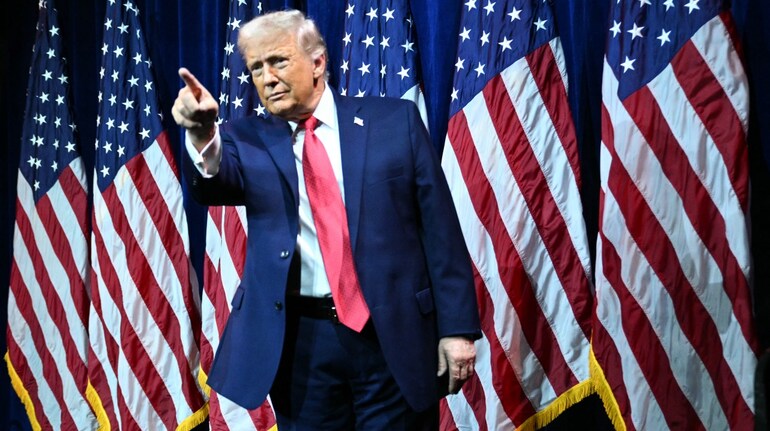

When Donald Trump sat down with oil executives at the White House this week to discuss Venezuela’s future, he heard a blunt message from one of the most powerful voices in the industry. ExxonMobil chief executive Darren Woods told the US president directly that Venezuela remains “uninvestable”, arguing that the country still lacks the basic legal and political conditions needed for serious international capital to return.
According to people familiar with the meeting, Woods said that even though Venezuela holds the world’s largest proven oil reserves, companies like Exxon cannot commit billions of dollars without sweeping changes to the country’s legal system, commercial rules and investment protections. “There has to be durable investment protection, and there has to be a change to the hydrocarbon laws,” Woods said, adding that the current framework does not give companies enough confidence that contracts and assets will be secure.
The exchange comes at a sensitive moment. After the US-led operation that removed Nicolás Maduro and installed an interim government, Trump has said repeatedly that American companies should return to Venezuela and help revive its shattered oil industry. The White House has also signalled that Venezuelan oil could once again play a role in global markets, with the US taking a leading role in shaping the sector’s future.
But Exxon’s warning highlights how difficult that task will be.
Venezuela’s oil industry has been in long-term decline, crippled by years of mismanagement, underinvestment, corruption and sweeping US sanctions imposed in 2019 during Trump’s first presidency. Production, once above 3 million barrels a day, has collapsed to a fraction of that level. Infrastructure is in poor condition, skilled workers have fled the country and many fields require massive capital just to restart.
Exxon itself has a complicated history with Venezuela. The company effectively exited the country after former president Hugo Chávez nationalised major oil projects in the 2000s. Exxon later won a multibillion-dollar arbitration case over those expropriations, a dispute that still shapes how the company views political risk in the country.
Industry analysts say Woods’ comments reflect a broader view in the energy sector. Even if US sanctions are eased and Washington encourages companies to return, most major players will wait to see concrete legal reforms, stable governance and clear rules on ownership, taxation and profit repatriation.
In the short term, smaller or more risk-tolerant firms may move first, especially those with experience operating in difficult environments. But for global giants like Exxon, Chevron or Shell, the bar is much higher.
For Trump, who has spoken about using Venezuela’s oil wealth as both a strategic and economic prize, the message is uncomfortable but clear. Rebuilding the industry is not just a matter of opening the doors. Without deep, credible reforms, even the world’s biggest oil reserves will remain, as Exxon’s chief put it, simply too risky to touch.
Discover the latest Business News, Sensex, and Nifty updates. Obtain Personal Finance insights, tax queries, and expert opinions on Moneycontrol or download the Moneycontrol App to stay updated!
Find the best of Al News in one place, specially curated for you every weekend.
Stay on top of the latest tech trends and biggest startup news.





