






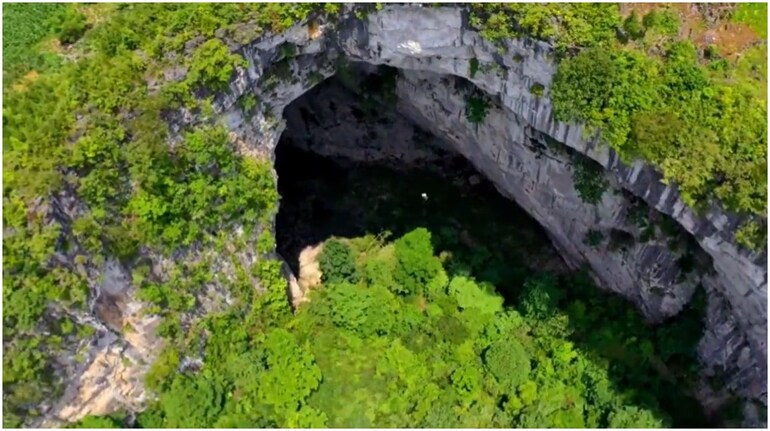
Turkey’s Konya Basin, one of the country’s most important farming regions, is facing an escalating sinkhole crisis that is now being measured in the hundreds. A recent assessment by Türkiye’s Disaster and Emergency Management Authority (AFAD) has recorded 684 sinkholes across the Konya Closed Basin and nearby provinces, a figure that is commonly rounded up in headlines as “nearly 700.”
For farmers in and around districts such as Karapınar, the threat is no longer theoretical. New collapses can appear without warning, carving deep craters into cultivated land and rendering plots unusable overnight. Reports and imagery from the region show sinkholes large enough to cut through fields and disrupt access routes, forcing landowners to avoid high-risk areas and rethink cropping plans.
The underlying causes are a dangerous mix of geology and water stress. Central Anatolia’s terrain includes soluble rock layers that can form underground voids. What has changed is the speed at which those voids are turning into surface collapses. Experts and official reporting point to prolonged drought and intensive groundwater extraction for irrigation as the accelerant: as aquifers drop, underground support weakens and cavities can collapse into sinkholes.
This is not just a local agricultural problem. Konya is frequently described as part of Turkey’s “breadbasket,” and the basin’s output matters for national food supply. When sinkholes take out farmland, the damage is not limited to a single season’s harvest. Farmers lose soil productivity, irrigation lines can be broken, and the cost of restoring land or shifting to safer plots can be prohibitive.
Authorities, for their part, are trying to map risk more systematically. Turkiye Today reported that the latest monitoring work is being used to update regional risk maps, and officials have emphasised that recorded sinkholes are largely in rural and agricultural areas, with no settlement threatened so far in the official tally.
But the trend line is what worries scientists and residents. If drought conditions persist and groundwater pumping continues at high levels, the basin’s underground “structure” becomes more fragile each year. The sinkholes are a visible sign of a deeper problem: water use that the landscape can no longer support.
Discover the latest Business News, Sensex, and Nifty updates. Obtain Personal Finance insights, tax queries, and expert opinions on Moneycontrol or download the Moneycontrol App to stay updated!
Find the best of Al News in one place, specially curated for you every weekend.
Stay on top of the latest tech trends and biggest startup news.




