






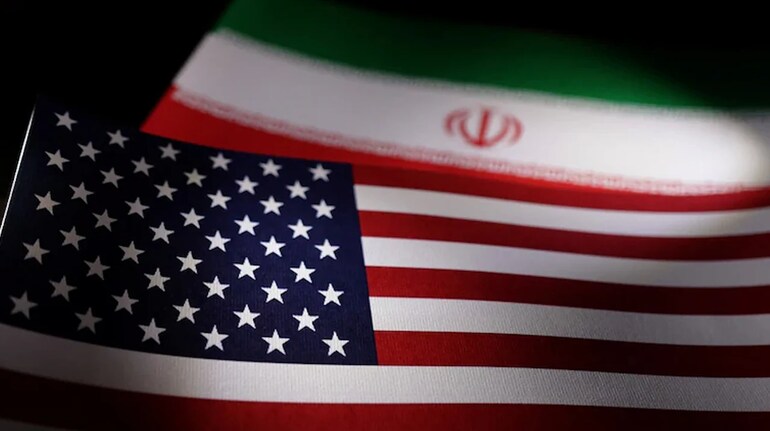
After ordering the biggest American military buildup in the Middle East since the Iraq War, US President Donald Trump is now facing a decision he has spent weeks postponing. What to do about Iran. Two aircraft carriers, dozens of warships and hundreds of aircraft are already in place. The military posture is set. What remains unsettled is how far Trump is willing to go.
Behind closed doors, advisors describe three broad options on the table. None are simple. All carry political, military and regional risks, CNN reported.
Waiting to see if diplomacy still works
Despite the show of force, Trump’s team insists his first preference remains a deal. Indirect talks with Iran have continued through intermediaries, with another round scheduled in Geneva. The White House believes the pressure of American firepower might finally push Tehran to compromise.
The core dispute has not changed. Trump wants Iran to give up any ability to enrich uranium. Iran says enrichment is non-negotiable and central to its national dignity, even while insisting its nuclear program is peaceful. That gap has stalled negotiations for years.
US officials say Iran is working on a proposal that could soften the standoff, possibly allowing limited enrichment under tight controls. But there is little expectation that Tehran will accept Trump’s demand for zero enrichment, which Iran’s supreme leader has rejected outright.
Trump’s own record complicates matters. Last year, he authorized strikes on Iranian nuclear facilities just days before scheduled talks, blindsiding diplomats. This time, officials say he is more inclined to hear Iran out before ordering any new military action. Still, patience inside the administration is wearing thin, and some advisors argue Iran is simply buying time.
Using a limited strike to force movement
The second option would involve a targeted military strike, aimed less at war and more at coercion. Trump has publicly acknowledged he is considering this approach.
Such an attack could focus on missile sites, parts of Iran’s nuclear infrastructure, or facilities linked to the Islamic Revolutionary Guard Corps. The message would be clear: negotiate seriously or face escalating consequences.
Supporters of this option argue it would show resolve without committing the US to a full-scale conflict. Critics warn it could backfire. Iranian leaders might respond with attacks on US bases or allies in the region, or withdraw entirely from negotiations. Even a limited strike risks triggering a cycle of retaliation that Washington cannot easily control.
The military is ready for this scenario. Planning is already underway for strike packages, weapons selection and flight timelines if Trump gives the order. What remains uncertain is whether such a show of force would change Iran’s calculations or harden them.
Going after the regime itself
The most dramatic option under discussion is a much broader campaign aimed at crippling or toppling Iran’s leadership. US forces now positioned around Iran could support sustained strikes over days or weeks, hitting air defences, missile production, nuclear facilities and key regime figures.
This is the option that most worries senior military leaders. Pentagon officials have warned about the risk of US casualties, the strain on forces already stretched by commitments to Israel and Ukraine, and the absence of a clear plan for what comes next.
There is no consensus on who would replace Iran’s current leadership if regime change succeeded, or whether it would succeed at all. US intelligence has limited insight into Iran’s fragmented opposition groups, and there is no guarantee that removing current leaders would produce a more stable or cooperative government.
Trump has publicly downplayed those concerns, suggesting that any military confrontation would be quickly won. Privately, officials say the lack of certainty about the aftermath has made him hesitant to greenlight this path.
A decision still not made
For now, Trump is listening. Some advisors argue Iran is weakened and vulnerable, and that delay only helps Tehran. Others urge caution, warning that another Middle East war could spiral far beyond its original aims.
Trump himself has sent mixed signals. He says he would prefer a deal, but also warns that failure to reach one would be disastrous for Iran. What is clear is that the military buildup has narrowed his choices. With so much force already deployed, doing nothing indefinitely is becoming harder to justify.
Whether diplomacy buys more time, a limited strike reshapes talks, or a wider conflict erupts will likely be decided in the coming days. For now, the region waits, watching whether pressure turns into war or pulls both sides back to the table.
Discover the latest Business News, Sensex, and Nifty updates. Obtain Personal Finance insights, tax queries, and expert opinions on Moneycontrol or download the Moneycontrol App to stay updated!
Find the best of Al News in one place, specially curated for you every weekend.
Stay on top of the latest tech trends and biggest startup news.




