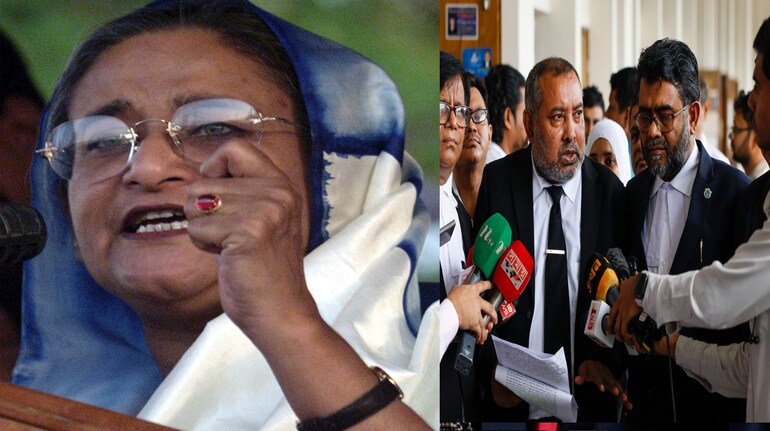
Bangladesh’s political landscape is on edge as the International Crimes Tribunal (ICT) prepares to deliver its verdict on November 17 in the case against former Prime Minister Sheikh Hasina. The trial, unprecedented in the country’s modern history, accuses Hasina of crimes against humanity, including murder, in connection with the violent suppression of last year’s student-led “July Uprising” that toppled her 15-year rule.
The charges
The three-judge tribunal in Dhaka, chaired by Justice Mohammad Golam Mortuza Majumder, has been examining the alleged atrocities committed during the July 2024 protests, which the United Nations estimates left around 1,400 people dead.
Hasina, former home minister Asaduzzaman Khan Kamal, and ex-police chief Chowdhury Abdullah Al-Mamun were charged under the International Crimes Tribunal Act. While Hasina and Kamal were declared fugitives and tried in absentia, Al-Mamun appeared in court, later turning state witness and implicating both leaders in ordering the brutal crackdown.
Chief Prosecutor Tajul Islam has sought the death penalty for Hasina and Kamal, arguing that the government’s actions amounted to “organised crimes against unarmed civilians.” The defence, however, claims the charges are politically motivated, orchestrated by the interim government led by Nobel laureate Muhammad Yunus.
A tribunal turned against its founder
Ironically, the ICT was originally established by Hasina’s own administration to prosecute war crimes from Bangladesh’s 1971 Liberation War. Following her ouster in August 2024, the Yunus-led interim government amended the tribunal’s mandate to include crimes committed in recent years, paving the way for Hasina’s prosecution.
Hasina fled to India after her government fell and has since been living in exile. In recent interviews with Indian and Western media, she defended her record, admitting to “leadership responsibility” for the violence but denying direct involvement in the killings. She also thanked India for providing her refuge, saying she would return once “free, fair, and participatory elections” are restored.
Rising tensions in Bangladesh
The announcement of the verdict date has triggered fresh unrest. Hasina’s banned Awami League has called for a nationwide lockdown, paralysing life in Dhaka and beyond. Security forces, including the army and Border Guard Bangladesh, have been deployed to maintain order amid reports of arson and crude bomb attacks.
As Bangladesh braces for November 17, the verdict is likely to shape not only Sheikh Hasina’s political fate but also the country’s democratic future.
Discover the latest Business News, Sensex, and Nifty updates. Obtain Personal Finance insights, tax queries, and expert opinions on Moneycontrol or download the Moneycontrol App to stay updated!
Find the best of Al News in one place, specially curated for you every weekend.
Stay on top of the latest tech trends and biggest startup news.