






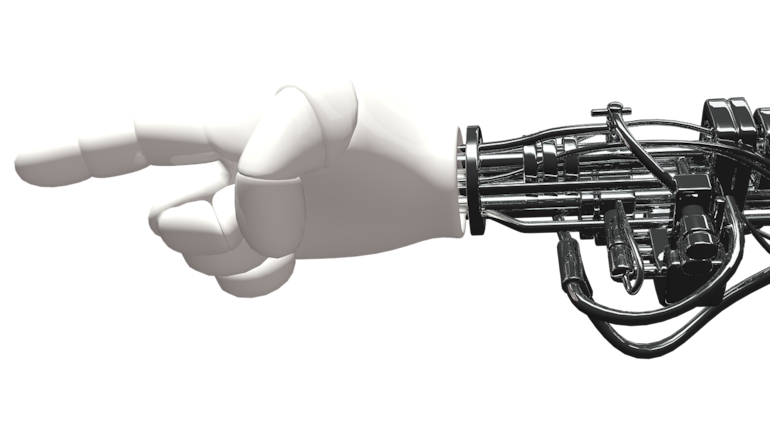

While robots of today may be able to register touches or pressures, they do not have a deeper sensory system that allows them to distinguish between a harmless contact and something that could injure them. Researchers at the City University of Hong Kong developed a neuromorphic electronic skin, known as NRE-skin, which apes the human nervous system in converting physical touch into neural-like electrical signals. That means that a robot would be able to differentiate if a touch is light or potentially harmful and could behave accordingly.
Inspired by human nerves
The inspiration for this new e-skin is essentially how human skin and nerves work in concert: human skin sends signals through nerves that go directly to the spinal cord, which initiates a quick reflex to move away from the dangerous stimulus. The robotic version involves layers of sensors that convert pressure into electrical pulse trains similar to those used by biological nerves, thereby enabling the instant reaction of the robot upon the application of some force that could cause potential damage.
Immediate reflexes and pain detection
What makes this technology different from other, older robotic sensors is the pain detection and reflex system integrated into it. When the force on the e-skin exceeds a set threshold, high-voltage signals bypass the central processor and head directly to the robot's motors to initiate a rapid pull-back response that helps the robot avoid further damage without waiting for slower computer analysis. In practical terms, a robot would instinctively pull its arm away from a hot surface or a sharp edge.
Modular design makes maintenance easier
Because the robots cannot heal themselves, like humans, the e-skin was designed with a modular architecture. Each small section of skin sends out a regular signal that confirms it is functioning normally. If a piece gets damaged, that signal stops, and the robot knows exactly where the problem is. Technicians can then remove the damaged module and replace it quickly without having to rebuild the whole surface.
Where this technology could be used
Experts say that this could be particularly important with regard to robots that operate in close proximity to humans, such as those engaged in elder care, health care, or home assistance. Pain sensing and its correct response will prevent damage to the robot and hazards for people around it. The more autonomous machines become, the more vital onboard safety reflexes will be.
This new robotic e-skin takes a big step toward machines that do much more than act on commands. By sensing and responding to their environment in a human-like manner, robots may interact with the world around them more naturally and safely.
Discover the latest Business News, Sensex, and Nifty updates. Obtain Personal Finance insights, tax queries, and expert opinions on Moneycontrol or download the Moneycontrol App to stay updated!
Find the best of Al News in one place, specially curated for you every weekend.
Stay on top of the latest tech trends and biggest startup news.





