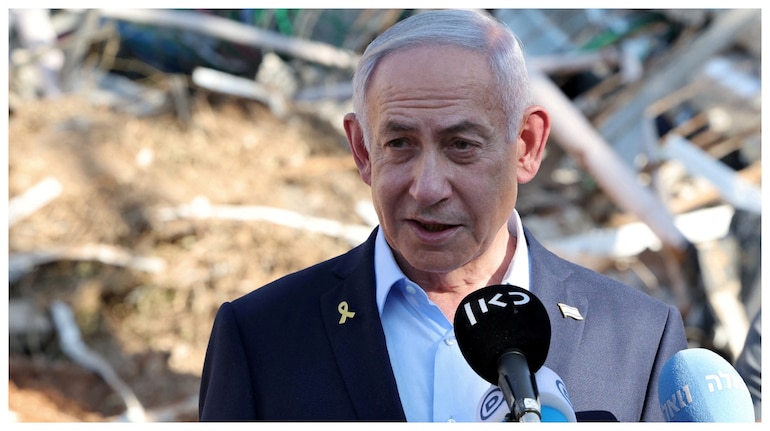
Israel Prime Minister Benjamin Netanyahu’s fragile coalition government faced fresh turbulence on Tuesday after United Torah Judaism (UTJ), a key ultra-Orthodox ally, announced its departure over disagreements related to a contentious military conscription bill.
The ultra-Orthodox party, which holds six seats in the Knesset, said its two factions were pulling out in protest against a proposed law that would cement military draft exemptions for its constituents — many of whom pursue full-time religious studies.
The move may not immediately threaten Netanyahu’s government but will significantly weaken its stability at a time when Israel is locked in a prolonged and politically sensitive war in Gaza.
UTJ’s withdrawal won’t take effect for 48 hours, giving Netanyahu a brief window to negotiate a compromise and potentially preserve the coalition. Cabinet Minister Miki Zohar of the ruling Likud party voiced optimism, saying, “God willing, everything will be fine.”
If the exit becomes official, Netanyahu would be left with a razor-thin one-seat majority in the 120-member Knesset.
The government could then become heavily reliant on its far-right partners — Jewish Power and Religious Zionism — both of which have previously threatened to walk away over any moves to de-escalate or end the war in Gaza.
Analysts warn that the crisis could widen if Shas, another ultra-Orthodox party closely aligned with UTJ, follows suit. “The gaps between the draft law currently on the table and the demands of the party are still wide,” said Shuki Friedman, vice president of the Jewish People Policy Institute, casting doubt on the likelihood of a swift resolution.
Despite growing fatigue over the Gaza conflict and mounting international pressure, including from the United States, Egypt and Qatar—Israel’s coalition partners remain deeply divided over any potential ceasefire deal. While Netanyahu may still have enough support to approve a temporary truce, his far-right allies are strongly opposed to ending the war with Hamas still intact.
The draft exemption debate touches on a long-standing fault line in Israeli society. While most Jewish Israelis are subject to mandatory military service, many in the ultra-Orthodox community claim religious study as their national contribution.
The disparity has sparked political tension for decades, exacerbated now by the increased demand for soldiers due to the Gaza war.
Coalition breakdowns are not uncommon in Israel. Since 2019, Israel has held five elections, with the most recent in November 2022 giving Netanyahu a narrow path to power.
While an early election remains a possibility, procedural rules mean it couldn’t happen immediately.
Discover the latest Business News, Sensex, and Nifty updates. Obtain Personal Finance insights, tax queries, and expert opinions on Moneycontrol or download the Moneycontrol App to stay updated!
Find the best of Al News in one place, specially curated for you every weekend.
Stay on top of the latest tech trends and biggest startup news.