






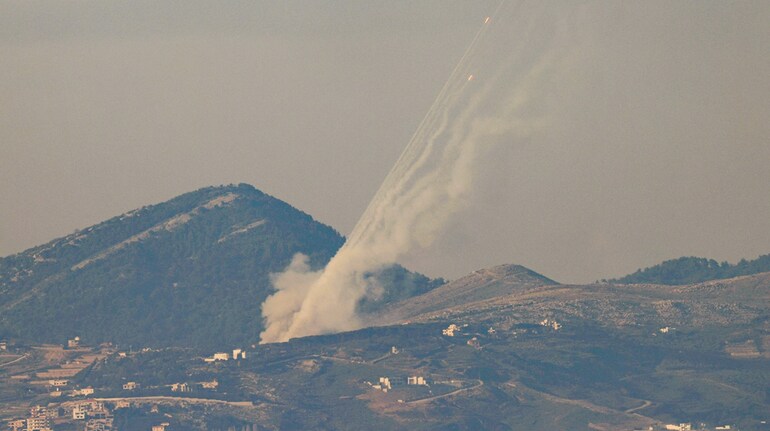

The alleged use of white phosphorus munitions over a residential area in southern Lebanon has once again drawn attention to the controversial weapon and its humanitarian implications. According to Human Rights Watch, artillery-fired white phosphorus shells were reportedly deployed over homes in the town of Yohmor on March 3, raising concerns about the impact of such weapons when used near civilian populations.
While white phosphorus has long been used in military operations, its effects and the risks associated with its deployment in populated areas have made it one of the most debated substances in modern warfare.
What is white phosphorus?
White phosphorus is a highly reactive chemical substance that ignites almost instantly when it comes into contact with oxygen. When burned, it produces intense heat and thick white smoke.
Because of these characteristics, the substance is used in a variety of military munitions, including artillery shells, rockets, and bombs. Armed forces have historically used white phosphorus to create smoke screens that obscure troop movements, illuminate battlefields, or mark targets.
However, the same properties that make it effective for military purposes also make it extremely dangerous when used near civilian areas.
How white phosphorus works
White phosphorus is typically packed inside artillery shells or other munitions. When the shell bursts in the air or upon impact, burning fragments of the chemical are dispersed across the surrounding area.
Once exposed to oxygen, the substance ignites and continues burning until it is completely consumed or deprived of oxygen. These burning fragments can spread over a wide area and may ignite buildings, vehicles, farmland, or vegetation.
The chemical also produces dense white smoke that can linger in the air, which is why it is often used for smoke screening during combat operations.
Health and environmental consequences
White phosphorus can cause severe and often life-threatening injuries. When it comes into contact with human skin, it burns intensely and can continue burning until the chemical is removed or deprived of oxygen.
Such burns can penetrate deep into tissues and damage muscles and bones. Medical experts say exposure can also lead to poisoning if phosphorus particles enter the bloodstream, potentially resulting in organ failure.
In addition to direct injuries, burning phosphorus fragments can trigger fires in homes, agricultural land and other civilian infrastructure. The smoke produced by the chemical can also irritate the eyes and respiratory system, potentially causing breathing difficulties.
International law and restrictions
White phosphorus itself is not entirely prohibited under international humanitarian law. However, its use is subject to restrictions, particularly when it comes to civilian protection.
Rules governing incendiary weapons discourage or prohibit the use of such weapons in densely populated areas because their effects are difficult to control and can cause widespread harm.
As a result, the use of airburst white phosphorus over populated areas is often criticised as indiscriminate since it can spread burning material over a wide radius.
Why the weapon remains controversial
Debates over white phosphorus largely centre on the risks it poses to civilians. Once released, the burning fragments can scatter unpredictably and ignite fires across large areas.
Because of these dangers, allegations of its use in urban settings frequently trigger international scrutiny and calls for investigations. Human rights groups argue that the weapon’s effects make it particularly hazardous in residential environments, while militaries maintain that it can be used lawfully for purposes such as smoke screening and battlefield marking.
Discover the latest Business News, Sensex, and Nifty updates. Obtain Personal Finance insights, tax queries, and expert opinions on Moneycontrol or download the Moneycontrol App to stay updated!
Find the best of Al News in one place, specially curated for you every weekend.
Stay on top of the latest tech trends and biggest startup news.





