







Rising cross-border strikes, artillery exchanges and reports of captured posts along the Durand Line have pushed Afghanistan and Pakistan to the brink of open war. What began as retaliatory fire after Pakistani air raids has now spiralled into sustained clashes across Kunar, Nangarhar, Kurram and parts of Khyber Pakhtunkhwa.
As casualties mount and rhetoric hardens, a parallel narrative has gained traction on social media, particularly on X. Is this escalation merely about border security, or is it linked to Pakistan’s alleged attempt to regain strategic relevance by dangling access to Afghanistan’s Bagram airbase before US President Donald Trump? While there is no official confirmation, speculation is spreading fast.
Escalation on the ground
Afghan Taliban forces have claimed large-scale retaliatory strikes against Pakistani military positions following Islamabad’s air operations inside Afghan territory. Pakistani officials insist they are targeting militant safe havens, but Kabul has described the attacks as violations of sovereignty.
The Taliban’s Ministry of Defence earlier warned of a “calculated and appropriate response” to what it termed repeated aggressions. Fighting has since intensified, with reports of heavy casualties on both sides.
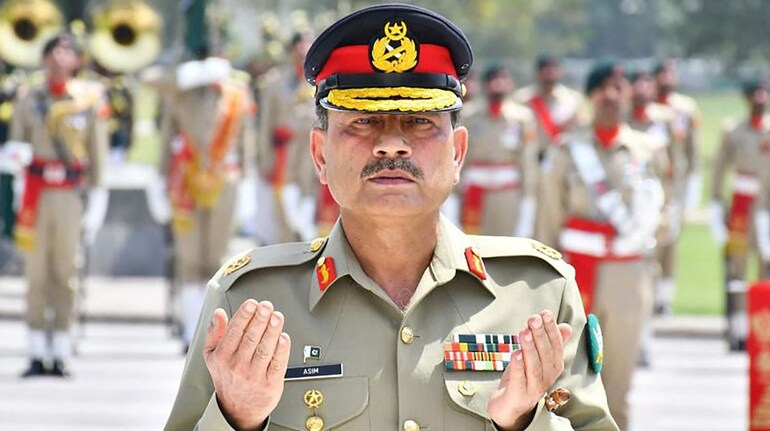
The scale of the escalation has prompted questions about motive. Analysts note that Pakistan’s military establishment, led by Asim Munir, has adopted an unusually aggressive posture despite domestic political instability and economic fragility.
Bagram speculation gathers pace
The speculation centres on Bagram Air Base, the former US military hub abandoned in 2021. According to earlier reporting, US President Donald Trump has expressed interest in regaining control of Bagram as part of a broader regional security reset.
In prior comments, Trump argued that retaining Bagram would have preserved American strategic leverage in Central Asia. “We should have kept Bagram,” he had said, adding that it was “one of the biggest air bases in the world.” His remarks reignited debate about the base’s geopolitical value.
Social media chatter now suggests that Pakistan may be trying to position itself as a facilitator for renewed US access to Bagram, hoping to secure diplomatic goodwill or military aid in return. Critics argue that such a move would require destabilising Taliban control near strategic corridors, something Islamabad might see as leverage.
There is no concrete evidence linking the current clashes to any formal Bagram proposal. However, the timing of Pakistan’s intensified operations has raised eyebrows among regional observers.
A risky gamble?
If the speculation holds any weight, it would reflect a high-risk strategy by Rawalpindi. Afghanistan’s Taliban rulers have shown little appetite for hosting foreign military forces. Any perception that Pakistan is attempting to broker US re-entry could inflame nationalist sentiment inside Afghanistan and further destabilise the border.
Pakistan officially maintains that its actions are driven by counterterrorism imperatives. Yet critics argue that Islamabad’s repeated cross-border strikes have only deepened hostility.
For now, the Bagram angle remains unproven. But as fighting intensifies and narratives compete, the conflict risks becoming more than a border dispute. Whether driven by security concerns or geopolitical calculations, the escalation underscores how fragile the region remains.
Discover the latest Business News, Sensex, and Nifty updates. Obtain Personal Finance insights, tax queries, and expert opinions on Moneycontrol or download the Moneycontrol App to stay updated!
Find the best of Al News in one place, specially curated for you every weekend.
Stay on top of the latest tech trends and biggest startup news.





