






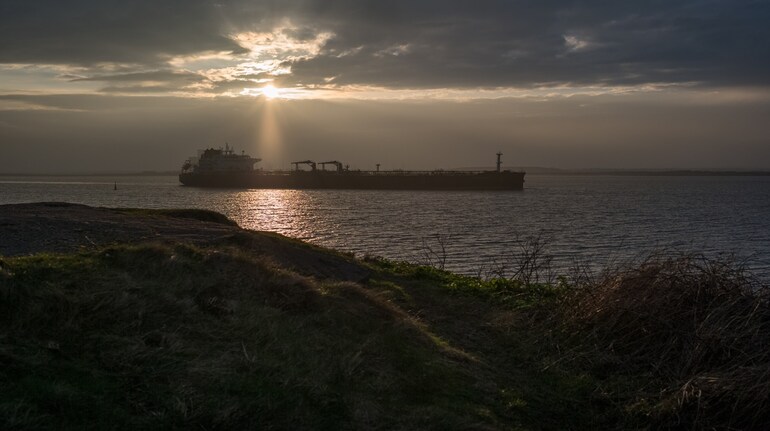

The blockade of the Strait of Hormuz amid the escalating Iran-US war has triggered alarm across global markets. While the narrow waterway is best known for oil shipments, experts warn its closure could also have serious consequences for the world’s food system.
The risk does not come from food shipments alone. Instead, the disruption could ripple through energy markets, fertiliser supply chains and global shipping routes, eventually pushing up food prices and affecting agricultural production.
Energy shock hits agriculture
The Strait of Hormuz handles roughly a fifth of global oil shipments. With the route blocked, energy markets face major disruption and oil prices could surge.
Higher fuel prices directly affect agriculture. Diesel powers tractors, irrigation pumps, harvesters and transport vehicles that move crops to markets. When fuel costs rise sharply, farming becomes more expensive, and those costs often pass through to food prices.
Fertiliser supplies under pressure
The Gulf region is also a key supplier of fertilisers used in agriculture. Countries in the Middle East export large volumes of nitrogen fertilisers such as urea.
Many of these shipments normally pass through the Strait of Hormuz. With the shipping route blocked, fertiliser supplies to global markets could tighten, pushing up prices for farmers around the world.
Natural gas link to crop production
Fertiliser production depends heavily on natural gas, which is a major export from the Gulf region. Any disruption to energy supply chains caused by instability near Iran can raise fertiliser production costs.
When fertiliser prices rise, farmers often reduce their usage. Lower fertiliser application can eventually lead to reduced crop yields, affecting food production months later.
Shipping disruptions raise food costs
The blockade is also affecting global shipping routes. Tankers and cargo vessels that would normally pass through the Strait of Hormuz are being forced to reroute or halt operations.
Longer journeys and soaring war-risk insurance premiums raise transport costs for commodities, including agricultural goods. These higher costs move through supply chains and ultimately raise food prices.
Pressure on food-importing regions
Many countries in the Gulf and the wider Middle East depend heavily on imported food. If shipping disruptions persist during the Iran-US war, governments may rush to secure supplies from global markets.
That increased demand could tighten international food markets and add further pressure on prices.
Discover the latest Business News, Sensex, and Nifty updates. Obtain Personal Finance insights, tax queries, and expert opinions on Moneycontrol or download the Moneycontrol App to stay updated!
Find the best of Al News in one place, specially curated for you every weekend.
Stay on top of the latest tech trends and biggest startup news.





