






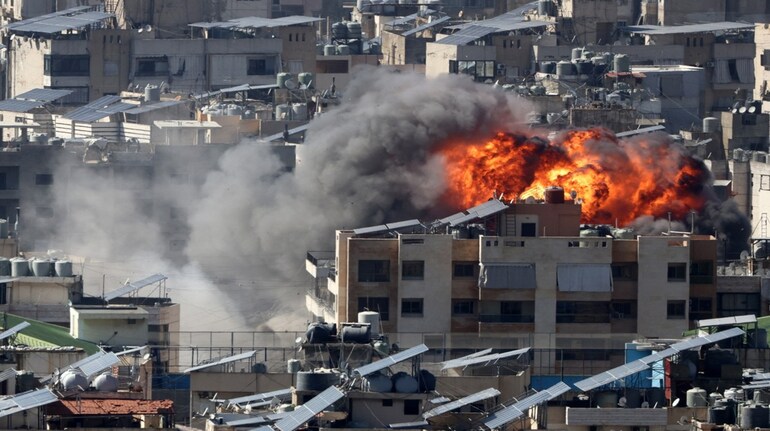

Whenever there is a conflict in the Middle East, energy markets react almostimmediately. That is exactly what happened after the latest escalation involving the United States and Iran.
Oil prices briefly jumped above USD100 a barrel earlier this week before settling closer to USD 85 after signals from Washington that the conflict might not drag on for long. Even that short spike was enough to put governments and economists on edge.
Oil sits at the centre of the global economy. When its price rises suddenly, the effects rarely stay confined to the energy market. Transport costs rise, companies pay more to move goods, and those higher costs can eventually show up in everyday purchases, the New York Times reported.
Finance ministers from the Group of Seven countries even held emergency discussions about whether to release oil from their strategic reserves to calm markets, though they ultimately decided against it.
Drivers are already feeling the change. The ripple effects are already visible at fuel pumps.
In the United States, the average price of gasoline has climbed to about USD3.48 per gallon, according to AAA. That is roughly 16 percent higher than just a week earlier. Fuel price jumps like that rarely stay isolated. Trucking companies pay more for diesel, airlines see their operating costs rise, and businesses transporting goods across long distances face higher bills. Over time those costs tend to filter down to consumers.
That is why economists pay so much attention to energy prices during geopolitical crises.
Why economists are uneasy
The bigger worry is not just the oil spike itself but the moment it is arriving. Consumer spending has been one of the main engines keeping the United States economy moving. Roughly 70 percent of US economic activity comes from household spending.
But many households have already burned through much of the savings they accumulated during the pandemic years. If fuel costs continue rising, families may begin cutting back on other spending.
That is the chain reaction economists worry about. Higher energy bills leave people with less money for travel, shopping and entertainment, which can slow economic growth.
Shipping routes are another pressure point
The conflict has also raised concerns about shipping in the Persian Gulf.
A large share of the world’s oil and gas moves through the Strait of Hormuz, a narrow passage that links the Gulf to global markets. Even the possibility of disruption there can unsettle energy markets.
Insurance costs for tankers have risen and shipping companies are watching developments closely. US officials have suggested traffic through the strait could normalise soon, but markets remain cautious.
The longer the war lasts, the bigger the risk
For now, the economic outlook hinges largely on how long the conflict continues. If the fighting winds down within weeks and oil shipments continue without major disruption, the spike in energy prices may fade relatively quickly.
But if the war drags on and oil prices remain above USD 100 a barrel, economists say the consequences could become more serious.
Higher fuel costs could push inflation higher again while slowing economic growth.
Some forecasts suggest US growth next year could drop to around 1.6 percent instead of the roughly 2.4 percent previously expected.
That combination of rising prices and slower growth is exactly the situation policymakers try to avoid.
For the moment, markets are watching the same thing everyone else is watching: whether the conflict stays contained or becomes a longer and more disruptive war.
Discover the latest Business News, Sensex, and Nifty updates. Obtain Personal Finance insights, tax queries, and expert opinions on Moneycontrol or download the Moneycontrol App to stay updated!
Find the best of Al News in one place, specially curated for you every weekend.
Stay on top of the latest tech trends and biggest startup news.





