






When a ship carrying six tonnes of frozen scallops left a port in northern Japan in early November, the mood in Hokkaido was cautiously hopeful. The shipment was bound for China, marking a rare thaw after years of strained trade ties. For Japan’s scallop industry, it felt like a long-awaited opening.
The optimism didn’t last.
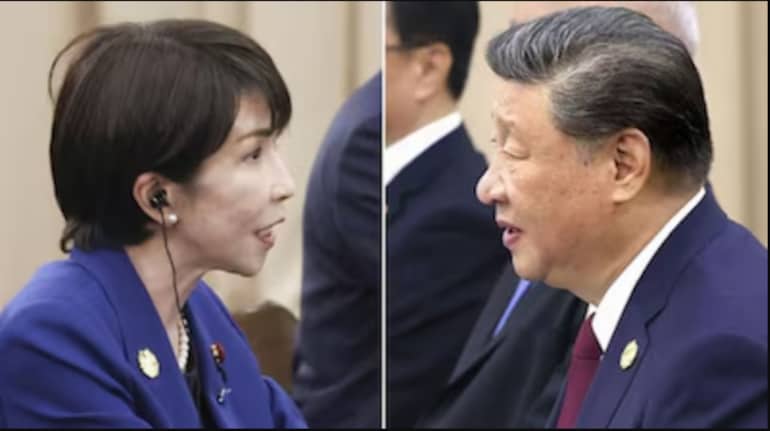
Midway through the voyage, Japan’s prime minister publicly suggested that a Chinese attack on Taiwan could threaten Japan’s survival — a pointed remark in a region where language is usually carefully calibrated. Beijing reacted swiftly. The seafood ban was back on.
Once again, Hokkaido’s scallops had become collateral damage, the New York Times reported.
A delicacy with diplomatic weight
Japan’s northern island of Hokkaido produces most of the country’s scallops, harvested from cold, nutrient-rich waters that give them their prized sweetness and deep umami. In China, they are a luxury ingredient, often served at banquets and special occasions. Before the bans, scallops made up the bulk of Japan’s seafood exports to China.
For years, Chinese demand helped sustain coastal economies across northern Japan. Then, in 2023, Beijing abruptly halted imports of Japanese seafood after Japan began releasing treated wastewater from the decommissioned Fukushima Daiichi nuclear plant. Japanese officials and international regulators said the water was safe. China disagreed.
The impact was immediate. Exports plunged. Processing plants went quiet. Companies that had relied on China for decades scrambled for alternatives.
Trade as leverage
China’s use of trade restrictions fits a familiar pattern. As its consumer market has grown, Beijing has increasingly wielded access to it as a diplomatic tool. Taiwanese pineapples, Australian wine and Lithuanian beef have all faced sudden barriers during political disputes.
Scallops, experts say, are a convenient pressure point. They are economically meaningful to Japan, highly visible and politically safer to target than sectors that could provoke broader retaliation.
“This kind of ban allows China to apply pressure without blowing up the entire relationship,” said Shin Kawashima, a professor of diplomacy at the University of Tokyo. “It sends a message while keeping economic damage contained.”
Forced to adapt
For scallop producers, the message landed hard. Companies like Kyuichi, a major Hokkaido processor, saw China-bound sales disappear almost overnight. What had once been routine exports became impossible to plan.
Japan’s allies stepped in. In the United States, officials publicly encouraged consumers to eat Japanese scallops, framing it as solidarity against economic coercion. Military buyers placed bulk orders. Taiwanese leaders shared photos of scallop-laden meals.
At the same time, producers began restructuring. Processing once done in China moved to Southeast Asia or back to Japan. Factories invested in automated shucking machines, subsidised by the government, to replace lost labour. Exporters pushed into new markets, particularly the United States.
By 2024, the American share of Japan’s scallop exports had jumped sharply. Margins improved as companies cut out Chinese middlemen. Painful as it was, diversification brought resilience.
A brief opening, then another freeze
This year, shifting geopolitics briefly reopened the door. As the United States imposed new tariffs on Japanese goods, Beijing signalled a willingness to reset ties and lifted its seafood ban for products that passed radiation testing.
Nearly 700 Japanese firms rushed to get certified. Kyuichi’s six-ton shipment was among the first to leave.
Two days later, the door slammed shut again.
Following Japan’s comments on Taiwan, Beijing froze new export applications. For companies still waiting in line, the pause felt familiar — and frustrating.
“Oh, here we go again,” said Tatsuhiko Etori, Kyuichi’s president.
Living with uncertainty
For many in Hokkaido, the anger has softened into weary acceptance. After two years of disruption, the industry is less exposed than before. Still, uncertainty hangs over every shipment and investment decision.
Consultants now urge seafood firms to meet European Union standards, opening yet another market. The lesson, many say, is clear: no single buyer should hold this much power.
At Kyuichi, there is little appetite to rush back into China even if the ban lifts again.
“What happens once can happen twice,” Mr. Etori said. “And now it has.”
Yet the pull of the Chinese market remains hard to ignore. Demand is deep, and the product is uniquely suited to it.
“Hokkaido scallops and China are hard to separate,” he said. “They’re sweet, they’re distinctive — and people love them. Politics comes and goes. Taste has a longer life.”
Discover the latest Business News, Sensex, and Nifty updates. Obtain Personal Finance insights, tax queries, and expert opinions on Moneycontrol or download the Moneycontrol App to stay updated!
Find the best of Al News in one place, specially curated for you every weekend.
Stay on top of the latest tech trends and biggest startup news.




