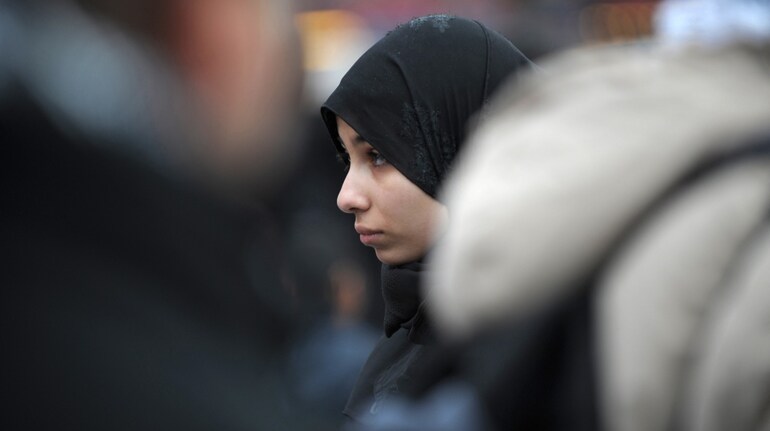
France is once again at the centre of a global debate over religious expression and secularism. A new proposal by President Emmanuel Macron’s centrist political movement, Renaissance, aims to ban Muslim girls under the age of 15 from wearing headscarves in public spaces. This latest measure, part of a broader crackdown on what the government calls “separatist” religious ideologies, has sparked intense controversy both within France and abroad.
What does the proposal say?
The proposal, first introduced by Renaissance lawmakers and backed by Prime Minister Gabriel Attal, seeks to prohibit girls below the age of 15 from wearing the Islamic headscarf (hijab) in public places; not just in schools or government buildings but in all public spaces. It is an unprecedented extension of France’s long-standing secular policies.
In addition, Attal has also called for a new criminal offence to be created, one that would penalise parents who force their daughters under 18 to wear the headscarf. According to French daily Le Parisien, the new crime could result in prosecution if coercion is proven.
France’s long history with Laïcité (secularism)
Historically, France has implemented secularism in increasingly assertive ways:
2004: France banned conspicuous religious symbols, including the hijab, in public schools.
2010: It banned full-face coverings like the niqab and burqa in public.
2021: A law was introduced to crack down on “Islamist separatism,” increasing oversight of mosques, religious funding, and homeschooling.
The timing of the ban
The proposed ban comes in the wake of a recent report submitted to the French government, outlining the rising influence of political Islam, particularly Salafist and Muslim Brotherhood-linked ideologies, among youth.
The report warns that political Islam is exploiting grey areas in the French legal system to push gender segregation, religious conservatism, and anti-republican values, particularly targeting young Muslims and girls in schools, parks, and public sports facilities.
In response, Renaissance lawmakers argue that banning headscarves for under-15 girls would protect children from religious indoctrination or coercion, reinforce gender equality, and strengthen the secular fabric of the republic from an early age.
Prime Minister Attal has also framed it as a child welfare issue, suggesting that young girls may be pressured—directly or culturally—into wearing the headscarf before they are old enough to make that choice independently.
Discover the latest Business News, Sensex, and Nifty updates. Obtain Personal Finance insights, tax queries, and expert opinions on Moneycontrol or download the Moneycontrol App to stay updated!
Find the best of Al News in one place, specially curated for you every weekend.
Stay on top of the latest tech trends and biggest startup news.