






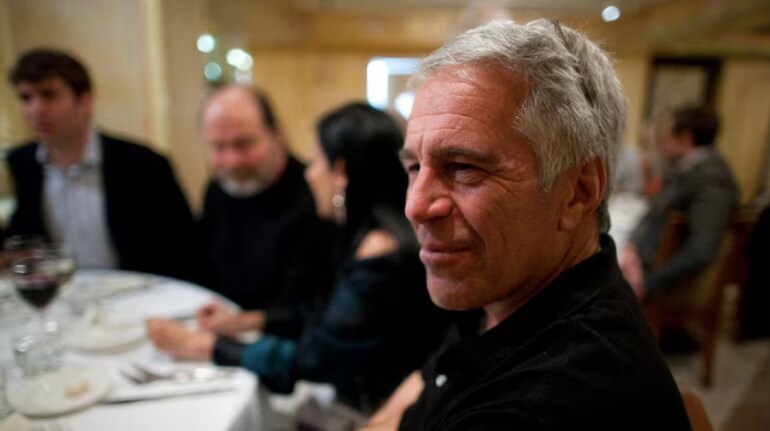

The latest tranche of documents released by the US Justice Department lays out something more granular than scandal: it shows how a small circle of well-credentialed doctors provided bespoke medical services to Jeffrey Epstein while also treating young women he referred to as his “girls.” The records, spanning roughly a decade before his 2019 death in federal custody, include emails, lab reports, financial transfers and appointment logs that illustrate how medicine, money and power overlapped in ways that raise serious ethical questions.
The issue is not simply that wealthy people receive concierge care. It is that some physicians appear to have structured that care around Epstein’s preferences rather than the autonomy and privacy of the women involved, the New York Times reported.
A procedure on a dining room table
One episode centres on a Mount Sinai plastic surgeon who stitched a young woman’s head wound with 35 sutures on Epstein’s dining room table after she was injured on his private island. Emails show that Eva Dubin, a longtime associate of Epstein and founder of the Dubin Breast Center at Mount Sinai Health System, helped coordinate the response.
Medical ethicists say that a deep facial laceration would ordinarily be treated in a fully equipped emergency department. Performing the procedure in a private residence may have reduced visibility and inconvenience, but it also bypassed standard hospital safeguards designed to protect patients if complications arise.
Mount Sinai has since said it formed a committee to examine historical ties to Epstein.
Health information flowing back to Epstein
The documents also suggest that Epstein was kept informed about the medical details of women he sent to doctors. In one exchange, a woman complained that doctors he paid directly were reporting back to him about her treatments. Under US federal privacy law, physicians generally cannot disclose patient health information to third parties without consent.
In Florida, Epstein’s longtime internist, Bruce Moskowitz, discussed abnormal blood work and acne medication eligibility for a young woman in emails with Epstein. In another instance, after gonorrhoea treatment was arranged for two women, texts indicate concern about avoiding mandatory public health reporting that could link infections back to Epstein.
Such communications raise the question of who the primary patient was in practice: the woman receiving treatment, or the man paying for it.
Dentistry, dermatology and financial entanglements
The files show a Columbia University dentist, Thomas Magnani, asking how much dental work Epstein wanted performed on a woman with severe decay. Records also indicate donations to Columbia’s dental school following those interactions.
In Manhattan, dermatologist Steven Victor treated women referred by Epstein while simultaneously seeking loans and investment from him. Emails reflect tension over unpaid services and business expectations, blending clinical care with financial leverage.
Another physician, Bernard Kruger, co-founded a members-only emergency service that enrolled Epstein and several unnamed women for annual access, at one point listing them without names in billing correspondence.
These arrangements illustrate how concierge medicine — built on discretion and direct payment — can create structural vulnerabilities when one powerful patron stands between doctors and young patients.
The Mount Sinai conduit
Dr Dubin’s role extended beyond referrals. Emails show her facilitating appointments for Epstein’s associates and, in at least one case, helping secure a volunteer position at the hospital for a young woman he recommended. Epstein also donated hundreds of thousands of dollars to Mount Sinai programs over time.
Dr Dubin has said publicly that her referrals were made in good faith and without knowledge of wrongdoing.
Still, the pattern in the documents suggests that Epstein was able to leverage philanthropy, personal relationships and institutional prestige to build a loyal medical network. Donations flowed alongside access. Introductions to wealthy contacts accompanied clinical favours.
Consent under influence
Legal scholars note that consent becomes complicated when there is a severe imbalance of power. If a young woman’s housing, immigration status, money or social stability depended on Epstein, her agreement to share medical details with him may not have been meaningfully voluntary.
The files do not conclusively establish that every disclosure was unlawful. But they document repeated scenarios in which Epstein was treated as a decision-maker in the care of adult women whose medical privacy should have been paramount.
Epstein’s criminal conduct was already known by the time many of these interactions occurred. What the documents reveal is not just a predator’s manipulation, but how professional boundaries can erode in the presence of wealth, access and influence.
For hospitals and licensing boards, the question now is not historical curiosity. It is whether existing safeguards are strong enough when the patient paying the bills is not the only person being treated.
Discover the latest Business News, Sensex, and Nifty updates. Obtain Personal Finance insights, tax queries, and expert opinions on Moneycontrol or download the Moneycontrol App to stay updated!
Find the best of Al News in one place, specially curated for you every weekend.
Stay on top of the latest tech trends and biggest startup news.





