







At a time when Pakistan is surviving on repeated International Monetary Fund bailouts, struggling to service record external debt and cutting basic subsidies under IMF diktats, Islamabad’s decision to join US President Donald Trump’s controversial “Board of Peace” has raised uncomfortable questions. The optics are stark. A cash-strapped country, whose economy is effectively under international supervision, is aligning itself with a parallel global forum that openly challenges the United Nations system and comes with an informal “pay-to-stay” price tag of $1 billion.
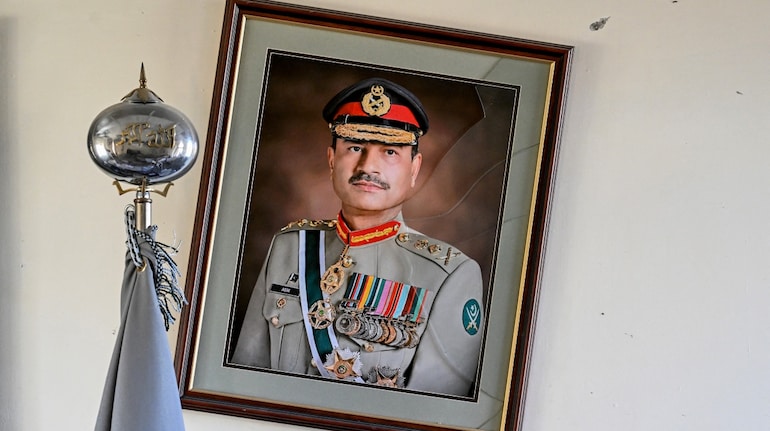
While Pakistan insists it has not committed funds, critics argue that this is another example of the military-dominated establishment, led by Field Marshal Asim Munir, prioritising strategic posturing over economic reality. With IMF money flowing in to keep Pakistan afloat, the question is no longer hypothetical. Can Pakistan afford this gamble, and who ultimately pays the price?
What is Trump’s ‘Board of Peace’?
The Board of Peace was announced by Donald Trump at the World Economic Forum in Davos as an alternative peace-building platform, initially focused on Gaza’s post-war reconstruction.
Trump will serve as chairman with full authority over the board’s membership and direction. Key figures include former UK prime minister Tony Blair, US Secretary of State Marco Rubio, Trump adviser Jared Kushner and special envoy Steve Witkoff.
According to its draft charter, the Board of Peace is “an international organisation that seeks to promote stability, restore dependable and lawful governance, and secure enduring peace in areas affected or threatened by conflict.”
The charter argues that “durable peace requires pragmatic judgement, common-sense solutions, and the courage to depart from approaches and institutions that have too often failed,” calling for a “more nimble and effective international peace-building body.”
Although a limited UN Security Council mandate exists until 2027 for Gaza-related reconstruction, no permanent UNSC member except the United States has joined the board.
The ‘pay to stay’ clause that haunts Pakistan
The most controversial aspect of the board is its funding structure.
Trump has demanded that countries seeking permanent membership contribute $1 billion in cash. The draft charter reportedly states: “Each Member State shall serve a term of no more than three years from this Charter’s entry into force, subject to renewal by the Chairman… The three-year membership term shall not apply to Member States that contribute more than USD $1,000,000,000 in cash funds to the Board of Peace within the first year.”
Pakistan has confirmed it will join the board but has not said whether it will pay the fee. For a country drowning in debt, even the suggestion is politically explosive.
Shehbaz Sharif’s justification
Prime Minister Shehbaz Sharif has defended the decision, saying the federal cabinet approved Pakistan’s participation after Trump personally invited him during Davos meetings.
“We have hope that there will be peace in Gaza, that Palestinians will receive the respect they deserve and that Gaza will be reconstructed,” Sharif said.
He added that Pakistan supports the initiative with the expectation that Palestinians would receive their rights “with dignity and respect.”
The language, however, has done little to ease concerns at home, where many see the move as symbolic diplomacy detached from Pakistan’s economic collapse.
IMF lifeline and Pakistan’s mounting debt
The controversy comes just days after the IMF approved $1.2 billion for Pakistan, including around $1 billion under the Extended Fund Facility and $200 million under the Resilience and Sustainability Facility.
Pakistan currently owes the IMF more than $7.35 billion. Since 1958, it has approached the IMF nearly two dozen times, relying on bailouts to avoid default. Last year, it secured a $7 billion rescue package, followed by a $1.3 billion climate resilience loan.
Pakistan’s external debt stands at $134 billion, while total public debt has surged to nearly $287 billion, with a debt-to-GDP ratio approaching 70 percent.
Against this backdrop, even the perception that IMF-backed funds could indirectly free up resources for geopolitical vanity projects has triggered alarm.
Where Asim Munir fits in
Though civilian leaders front the narrative, Pakistan’s foreign and security policy remains tightly controlled by the military establishment under Asim Munir. Critics argue that joining Trump’s board reflects the same pattern seen repeatedly: aligning with powerful external actors to gain strategic cover, even as domestic institutions weaken and economic pressure mounts.
The fear is that Pakistan’s ruling elite sees geopolitical relevance as a substitute for economic reform, using international forums to project influence while ordinary Pakistanis absorb austerity and inflation.
Optics that Pakistan cannot escape
Even if Islamabad never pays the $1 billion fee, the optics are damaging. A country reliant on IMF bailouts, seeking loan rollovers from the UAE, and cutting welfare spending is associating itself with a forum that operates on transactional loyalty.
In a system already accused of military overreach and fiscal recklessness, Pakistan’s entry into Trump’s Board of Peace risks becoming another symbol of misplaced priorities, where strategic theatrics trump economic survival.
Discover the latest Business News, Sensex, and Nifty updates. Obtain Personal Finance insights, tax queries, and expert opinions on Moneycontrol or download the Moneycontrol App to stay updated!
Find the best of Al News in one place, specially curated for you every weekend.
Stay on top of the latest tech trends and biggest startup news.





