






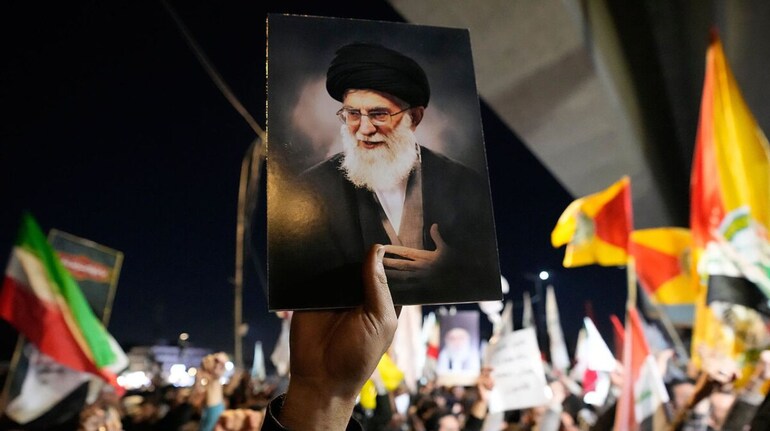

Years before he became the most powerful figure in Iran, Ayatollah Khamenei came close to dying in a mosque in south Tehran.
It was June 27, 1981. Khamenei, then a mid-ranking cleric and rising political figure in the young Islamic Republic, was delivering a speech at the Abuzar Mosque. A tape recorder had been placed near him, supposedly to capture his remarks. Instead, it contained a bomb.
When it exploded, the blast ripped through the small hall. Khamenei was critically injured. Shrapnel tore into his body and his right arm was so badly damaged that it would never fully recover. To this day, he has limited use of it. Images from the time show him lying in a hospital bed, frail but conscious, his arm heavily bandaged.
Iran in 1981 was volatile and deeply fractured. The revolution that had toppled the Shah was only two years old. Rival political factions were battling for control. Armed opposition groups were carrying out bombings and assassinations. Senior officials were being targeted regularly. Just days after the mosque attack on Khamenei, a massive bombing killed dozens of top Iranian leaders at the headquarters of the Islamic Republican Party.
The attack on Khamenei was widely attributed to the Mujahideen e Khalq, a militant group that had broken with the new Islamic regime and turned to armed confrontation. Whether intended as a symbolic strike or a direct attempt to remove him from the political scene, it almost succeeded.
Instead, the failed assassination elevated his profile. Surviving an explosion that could easily have killed him gave him a kind of political aura at a time when survival itself was uncertain. Within months, he was elected President of Iran. In 1989, after the death of Ayatollah Ruhollah Khomeini, he became Supreme Leader.
The 1981 bombing did more than injure him physically. It shaped the way the Iranian leadership viewed threats, dissent and security. The early years of the Islamic Republic were defined by paranoia, real and perceived plots, and brutal crackdowns. Khamenei’s own near-death experience became part of that story.
For many Iranians, the image of the injured cleric in a hospital bed is still tied to that chaotic period. It is a reminder of how fragile the new regime once felt, and how close one of its future leaders came to being erased before his power truly began.
Discover the latest Business News, Sensex, and Nifty updates. Obtain Personal Finance insights, tax queries, and expert opinions on Moneycontrol or download the Moneycontrol App to stay updated!
Find the best of Al News in one place, specially curated for you every weekend.
Stay on top of the latest tech trends and biggest startup news.





