






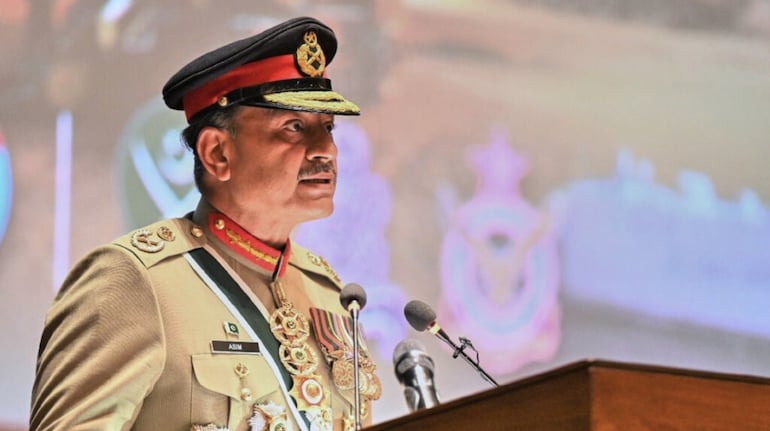

As the conflict between Iran, the United States and Israel continues to reshape the security landscape of West Asia, Pakistan has attempted to project itself as a diplomatic player working behind the scenes to prevent escalation. However, recent remarks by Pakistan’s Foreign Minister Ishaq Dar suggest that Islamabad’s claimed role as a mediator may have been more aspirational than influential.
According to information accessed by CNN-News18, Pakistan’s leadership, including Prime Minister Shehbaz Sharif and Army chief Field Marshal Syed Asim Munir, tried to position the country as a venue for secret negotiations between Tehran and Washington before the conflict spiralled into open warfare. Yet the episode has also raised questions about Pakistan’s ability to shape regional diplomacy in a crisis that quickly moved beyond its control.
Pakistan’s claimed mediation effort
Speaking about the developments, Ishaq Dar described what he portrayed as an intense diplomatic effort by Islamabad to broker talks between Iran and the United States.
“Field Marshal Syed Asim Munir and Shehbaz Sharif made tireless efforts to mediate negotiations between Iran and the United States," Dar said.
According to Dar, Pakistan had even offered to host secret talks in Islamabad in an attempt to create a diplomatic channel between the two adversaries. He said the government expressed “delight" at the possibility of hosting these negotiations, hoping to leverage its historical ties with both Iran and Western powers.
The proposed initiative was reportedly designed to produce a de-escalation roadmap that could address Washington’s security concerns while safeguarding Iran’s borders.
A plan that never materialised
Despite Islamabad’s claims, the diplomatic effort never translated into meaningful negotiations.
Dar suggested that Pakistan had been attempting to build a wider regional consensus that could have brought Gulf states into a broader diplomatic framework involving Iran.
“If Iran had not attacked the Gulf countries, we would have rallied those countries to our side as well," Dar said.
According to the Pakistani foreign minister, Tehran’s decision to launch strikes against Gulf targets disrupted these efforts. Iran justified those attacks by arguing that American military bases in the region were being used for operations against it.
Dar argued that these strikes undermined the regional unity Pakistan was trying to build and alienated potential diplomatic partners.
Condemnation after the February 28 strikes
Dar also reiterated Pakistan’s official response to the Israeli and American strikes inside Iran that began on February 28.
“We immediately condemned the attack on Iran, which is on record," he said.
The statement reflects Islamabad’s attempt to maintain a careful diplomatic balance between Iran, Gulf states and Western powers.
However, analysts point out that Pakistan’s public messaging often shifts depending on regional dynamics, raising doubts about how much influence Islamabad truly has in shaping the conflict.
Afghanistan and Pakistan’s strategic anxieties
During his remarks, Dar also addressed Pakistan’s tense western frontier with Afghanistan.
He indicated that both the civilian government and the military leadership share the same approach toward the Taliban administration in Kabul.
“Me and the Field Marshal both want good relations with Afghanistan," Dar said.
The comment reflects Islamabad’s concern about avoiding simultaneous tensions on multiple fronts, particularly as instability continues along the Afghanistan-Pakistan border.
A diplomatic narrative under scrutiny
While Pakistani officials have framed their actions as an ambitious effort to prevent war, the reality of the situation appears less flattering.
The crisis escalated rapidly into direct military confrontation involving Iran, the United States and Israel, leaving little evidence that Pakistan’s proposed mediation ever gained traction among the key actors involved.
Dar’s remarks instead reveal an attempt by Islamabad to position itself as a central diplomatic broker in a conflict where its actual leverage appears limited.
Rather than shaping the trajectory of events, Pakistan’s role in the unfolding crisis seems to have been largely confined to statements and proposals that never progressed beyond the early stages of diplomacy.
Discover the latest Business News, Sensex, and Nifty updates. Obtain Personal Finance insights, tax queries, and expert opinions on Moneycontrol or download the Moneycontrol App to stay updated!
Find the best of Al News in one place, specially curated for you every weekend.
Stay on top of the latest tech trends and biggest startup news.





