






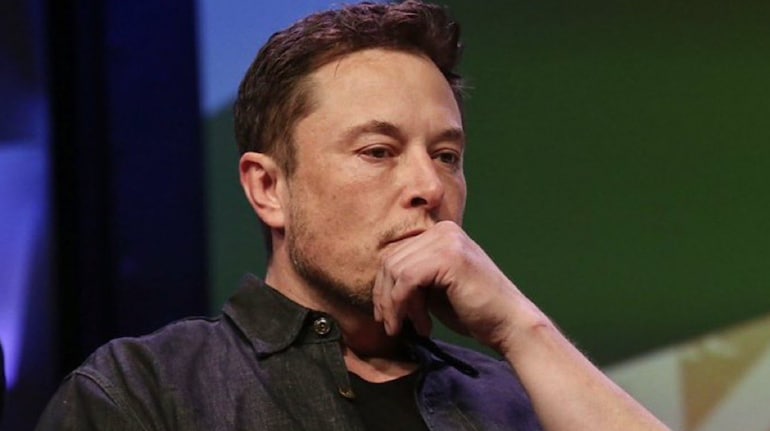

Elon Musk, the billionaire behind SpaceX, Tesla and xAI, has once again turned heads with a bold prediction about the future of artificial intelligence. During a recent interview, Musk said that within the next 30 to 36 months, space will become the cheapest and most practical place to operate large-scale AI computing systems outpacing traditional data centres on Earth.
Musk’s argument is rooted in energy realities. Running powerful AI systems on Earth requires vast amounts of electricity due to cooling needs and the limits of terrestrial solar power. In space, however, solar panels can capture sunlight almost continuously without atmospheric interference, weather, or night-day cycles. According to Musk, this means orbiting arrays could generate far more energy, making space-based computing dramatically cheaper than building and powering massive land-based data centres.
“My prediction is that it will be by far the cheapest place to put AI,” Musk said, adding that his timeline could come true “in 36 months or less, maybe 30 months… mark my words.”
This idea gained traction amid SpaceX’s recent merger with Musk’s AI startup xAI, a deal that aims to fuse space launch capabilities with advanced computing and artificial intelligence development. The combined company is positioning itself as a leader in a future where AI and space technologies increasingly overlap.
Musk also highlighted the challenges of scaling AI computing on Earth. The planet’s power generation capacity, he said, is nearing its limits just as demand for AI processing and the chips that run it, continues to surge worldwide. Building enough power plants and infrastructure to support future AI needs on land, he argued, would be far more difficult than harnessing solar energy in space.
Critics, however, are sceptical of the timeline. Experts point out that creating the infrastructure needed to launch and maintain space-based AI data centres including thousands of rockets, orbital satellites and long-lasting solar arrays will be a massive engineering and economic challenge. They warn that Musk’s ambitious schedule may be more aspiration than achievable fact in such a short span.
If Musk’s prediction comes to pass, however, it could redefine how AI is built and deployed, with orbiting data centres powered by sunlight and managed from Earth. For now, the statement adds fuel to one of the tech world’s most fascinating debates: will the future of computing truly leave our planet behind?
Discover the latest Business News, Sensex, and Nifty updates. Obtain Personal Finance insights, tax queries, and expert opinions on Moneycontrol or download the Moneycontrol App to stay updated!
Find the best of Al News in one place, specially curated for you every weekend.
Stay on top of the latest tech trends and biggest startup news.





