- My Alerts
- Go Ad-Free
-
My Account









The 10 best places to retire in 2026, according to a new report
Discover the 10 best places to retire in 2026, according to a new Global Retirement Index. From Greece and Portugal to Thailand and Malaysia, explore where life is affordable, healthcare is strong, and retirement feels richer.




1/11

What if moving abroad wasn’t about escape—but about finally living well?
For millions of people, the idea of starting fresh in another country has shifted from a someday dream to an urgent plan. Rising living costs, healthcare worries, burnout, and lifestyle fatigue are pushing more people to ask a simple question: Is there a better way to live?
According to a new International Living survey, 66% of Americans say current conditions have made them more likely to move overseas sooner rather than later. And they’re not just fantasizing—they’re researching, scouting, and packing.
That’s where the 2026 Global Retirement Index comes in. Built on over four decades of real-world expat experience, this annual report ranks countries based on what actually matters: cost of living, healthcare, visas, housing, climate, safety, and—most importantly—how life feels once you arrive.
Because the world is changing fast. Visa rules shift. Healthcare access evolves. Climate patterns redraw comfort zones. For 2026, every destination was re-evaluated with fresh data and first-hand reporting from expats already living the life you’re dreaming of.
This isn’t just a list of “cheap places.” It’s a guide to where your money goes further, where communities are welcoming, and where daily life feels lighter.
So—where should you live in 2026? Let’s find out where they are.
For millions of people, the idea of starting fresh in another country has shifted from a someday dream to an urgent plan. Rising living costs, healthcare worries, burnout, and lifestyle fatigue are pushing more people to ask a simple question: Is there a better way to live?
According to a new International Living survey, 66% of Americans say current conditions have made them more likely to move overseas sooner rather than later. And they’re not just fantasizing—they’re researching, scouting, and packing.
That’s where the 2026 Global Retirement Index comes in. Built on over four decades of real-world expat experience, this annual report ranks countries based on what actually matters: cost of living, healthcare, visas, housing, climate, safety, and—most importantly—how life feels once you arrive.
Because the world is changing fast. Visa rules shift. Healthcare access evolves. Climate patterns redraw comfort zones. For 2026, every destination was re-evaluated with fresh data and first-hand reporting from expats already living the life you’re dreaming of.
This isn’t just a list of “cheap places.” It’s a guide to where your money goes further, where communities are welcoming, and where daily life feels lighter.
So—where should you live in 2026? Let’s find out where they are.
2/11

1. Greece: A slower life, richer days, and the top spot for 2026
Greece doesn’t shout about its appeal—it reveals it slowly.
More than 300 days of sunshine, affordable healthcare, strong residency options, and deeply rooted community life have pushed Greece to the top of the 2026 rankings. Whether you choose an island, a mainland village, or a historic city, daily life here feels grounded and connected.
Costs are often one-third of what expats paid back home, and healthcare—both private and public—is accessible and affordable.
Greece isn’t just a place to retire. It’s a place to live well.
Greece doesn’t shout about its appeal—it reveals it slowly.
More than 300 days of sunshine, affordable healthcare, strong residency options, and deeply rooted community life have pushed Greece to the top of the 2026 rankings. Whether you choose an island, a mainland village, or a historic city, daily life here feels grounded and connected.
Costs are often one-third of what expats paid back home, and healthcare—both private and public—is accessible and affordable.
Greece isn’t just a place to retire. It’s a place to live well.
3/11
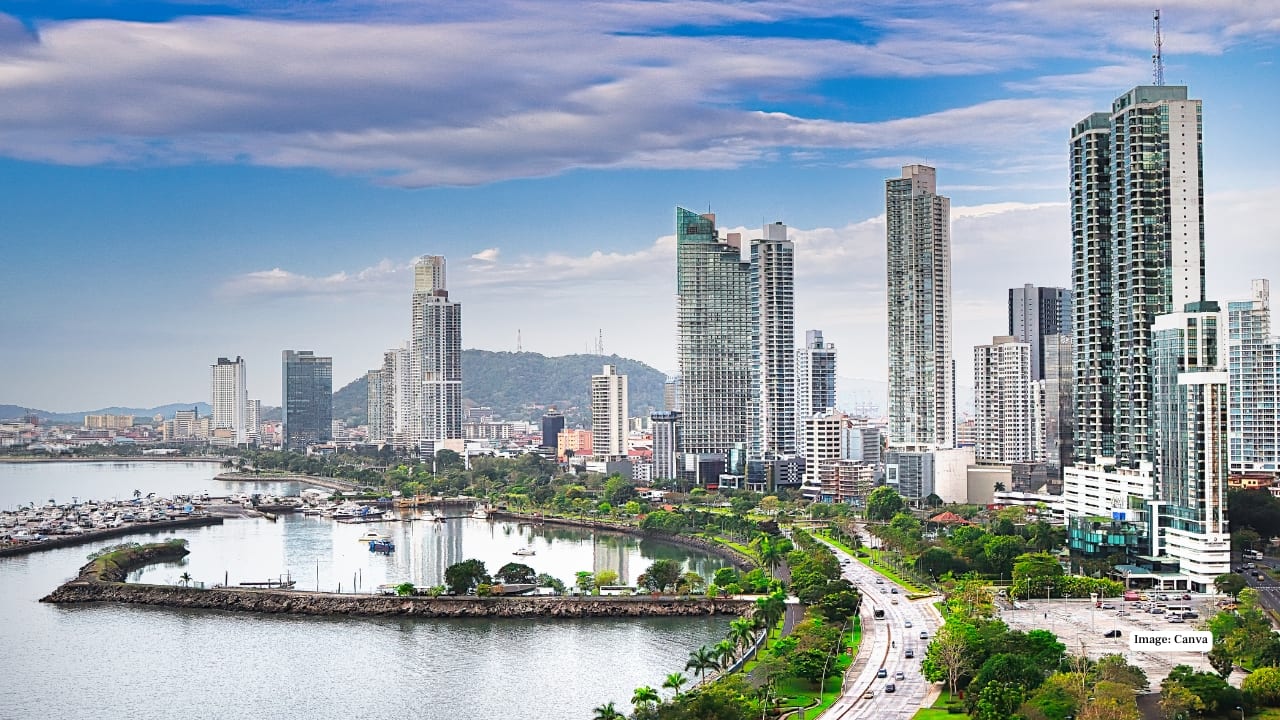
2. Panama: Big benefits, easy residency, and serious value
Panama is built for expats.
Its Pensionado Program remains one of the most generous in the world, offering government-mandated discounts on healthcare, utilities, transport, and entertainment. Property ownership is straightforward, taxes are low, and the U.S. dollar is used nationwide.
From beach towns to cool highland villages, Panama offers diverse climates and lifestyles—all with minimal red tape.
Panama is built for expats.
Its Pensionado Program remains one of the most generous in the world, offering government-mandated discounts on healthcare, utilities, transport, and entertainment. Property ownership is straightforward, taxes are low, and the U.S. dollar is used nationwide.
From beach towns to cool highland villages, Panama offers diverse climates and lifestyles—all with minimal red tape.
4/11

3. Costa Rica: Where nature leads, and life follows
In Costa Rica, mornings begin with birdsong, not alarms.
Life revolves around nature—beaches, jungles, volcanoes—and a national philosophy of pura vida. Costs vary, but many expats live well on $1,500–$3,000 a month.
Healthcare is solid, residency options are clear, and community life—especially in coastal towns—is strong. Costa Rica rewards those who live simply and locally.
In Costa Rica, mornings begin with birdsong, not alarms.
Life revolves around nature—beaches, jungles, volcanoes—and a national philosophy of pura vida. Costs vary, but many expats live well on $1,500–$3,000 a month.
Healthcare is solid, residency options are clear, and community life—especially in coastal towns—is strong. Costa Rica rewards those who live simply and locally.
5/11
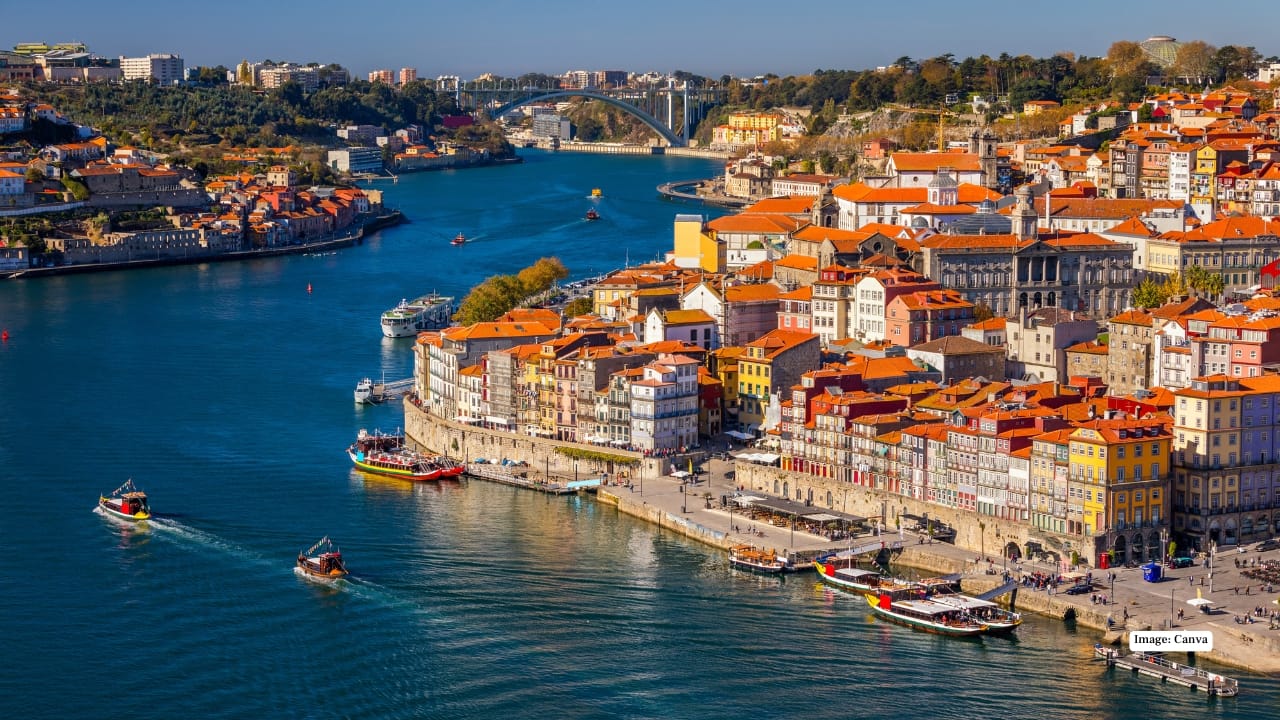
4. Portugal: Small country, exceptional quality of life
Portugal continues to punch above its weight.
From Atlantic coastlines and wine regions to island life in Madeira and the Azores, the country offers extraordinary variety in a compact space. Healthcare is universal, food is fresh and affordable, and safety is a defining feature.
While housing prices have risen, Portugal remains more affordable than most Western countries. The D7 and Digital Nomad visas remain popular pathways for long-term stays.
What stands out most? The kindness. Community here isn’t forced—it’s natural.
Portugal continues to punch above its weight.
From Atlantic coastlines and wine regions to island life in Madeira and the Azores, the country offers extraordinary variety in a compact space. Healthcare is universal, food is fresh and affordable, and safety is a defining feature.
While housing prices have risen, Portugal remains more affordable than most Western countries. The D7 and Digital Nomad visas remain popular pathways for long-term stays.
What stands out most? The kindness. Community here isn’t forced—it’s natural.
6/11
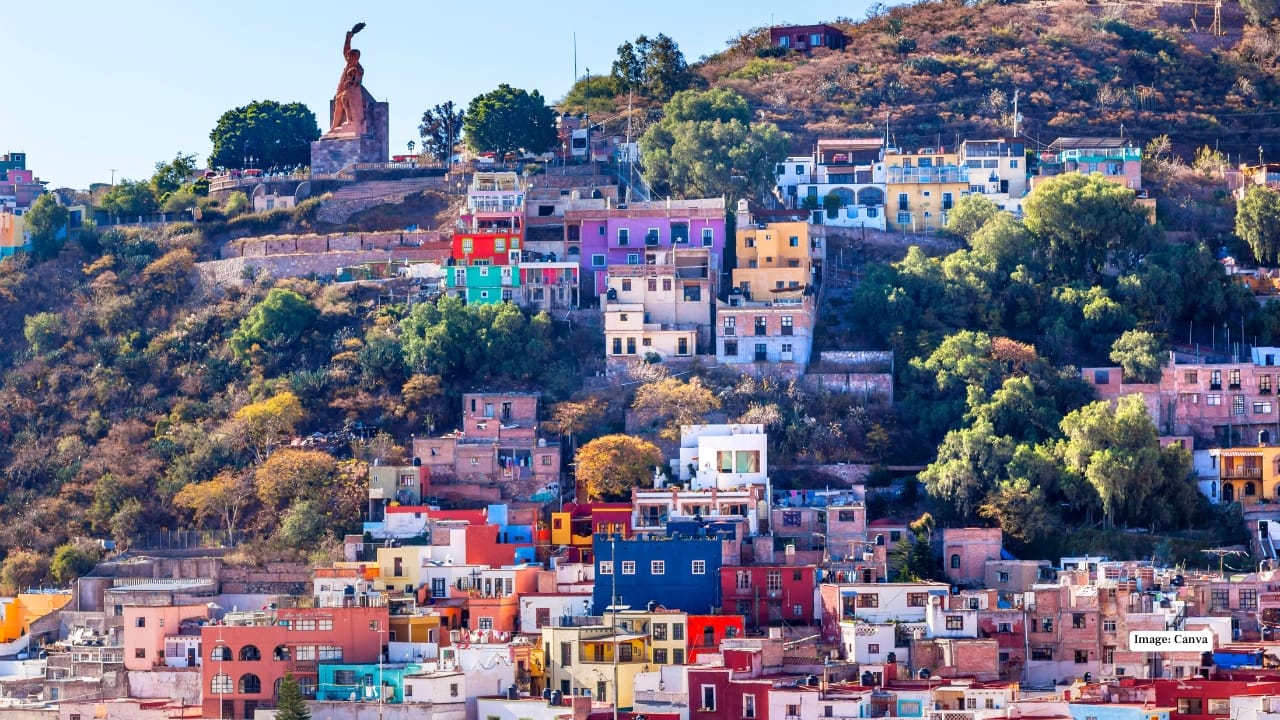
5. Mexico: Vibrant culture, low costs, and life lived outdoors
Mexico delivers variety like few countries can.
Colonial cities, tropical beaches, mountain towns, and islands—all within one country. Many expats live comfortably on $1,200–$2,000 a month, with affordable healthcare, fresh food, and strong expat networks.
Healthcare is fast and high quality. Private insurance costs a fraction of U.S. prices, and many expats pay out of pocket. Residency options are flexible, and proximity to the U.S. makes visits home easy.
Mexico isn’t just affordable—it’s alive.
Mexico delivers variety like few countries can.
Colonial cities, tropical beaches, mountain towns, and islands—all within one country. Many expats live comfortably on $1,200–$2,000 a month, with affordable healthcare, fresh food, and strong expat networks.
Healthcare is fast and high quality. Private insurance costs a fraction of U.S. prices, and many expats pay out of pocket. Residency options are flexible, and proximity to the U.S. makes visits home easy.
Mexico isn’t just affordable—it’s alive.
7/11
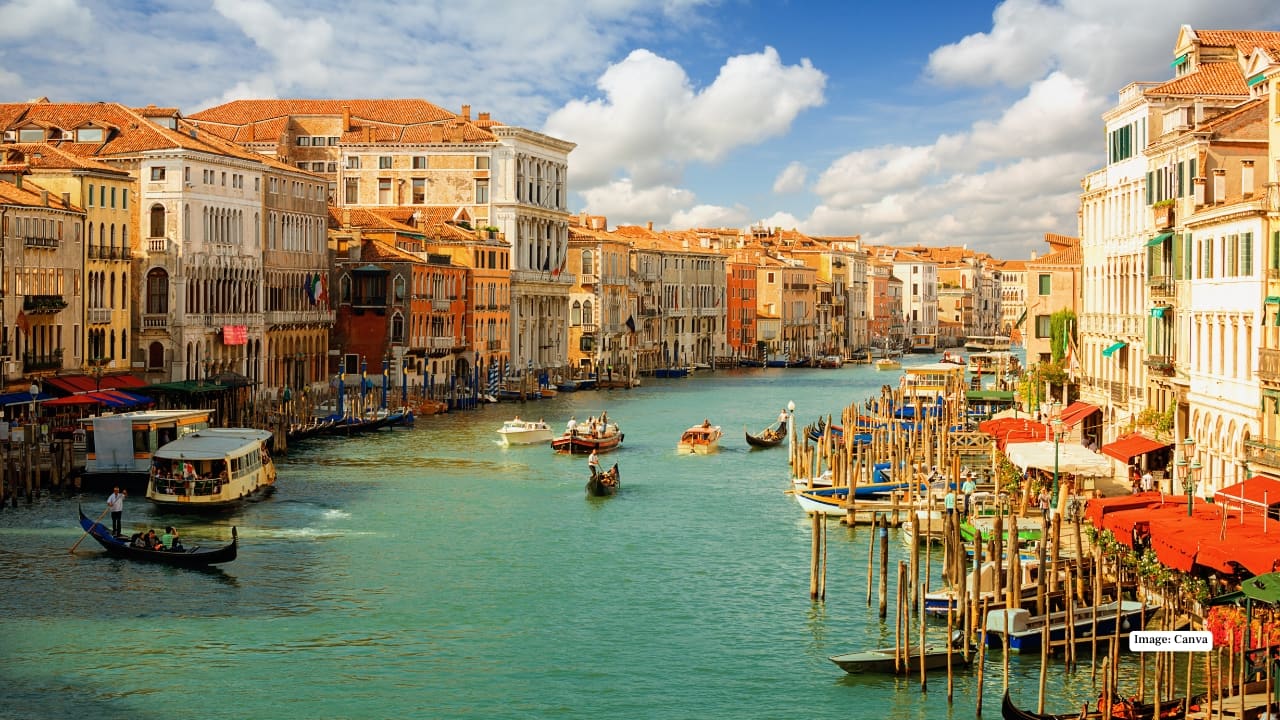
6. Italy: La dolce vita—at a price that still surprises
Italy doesn’t offer one lifestyle—it offers dozens.
From sun-drenched Sicily to alpine towns in the north, Italy’s diversity is unmatched. And in many southern regions, the cost of living is remarkably low. Beautiful one-bedroom apartments can still be found for €400–€800, with groceries, internet, and mobile plans costing far less than in North America.
Healthcare is accessible, affordable, and often free once registered. The Elective Residency Visa makes long-term living possible for retirees with passive income.
Italy may test your patience with bureaucracy—but it rewards you with beauty, food, community, and a way of life that’s hard to let go of.
Italy doesn’t offer one lifestyle—it offers dozens.
From sun-drenched Sicily to alpine towns in the north, Italy’s diversity is unmatched. And in many southern regions, the cost of living is remarkably low. Beautiful one-bedroom apartments can still be found for €400–€800, with groceries, internet, and mobile plans costing far less than in North America.
Healthcare is accessible, affordable, and often free once registered. The Elective Residency Visa makes long-term living possible for retirees with passive income.
Italy may test your patience with bureaucracy—but it rewards you with beauty, food, community, and a way of life that’s hard to let go of.
8/11
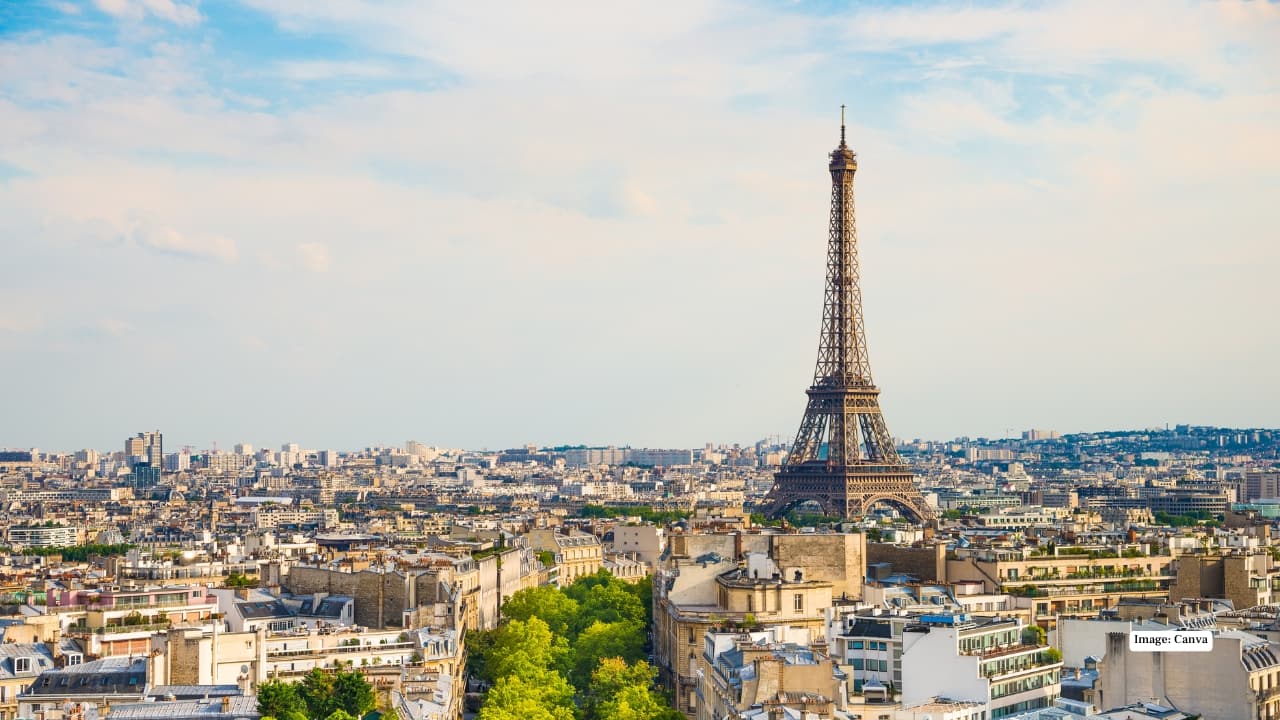
7. France: Where quality of life isn’t a luxury—it’s the standard
France doesn’t just romanticize life—it structures it well.
From universal healthcare and generous vacation time to walkable towns and vibrant local markets, daily life here feels intentionally human. Outside major cities, housing costs drop significantly, with many regions offering two-bedroom apartments for under €1,000.
Healthcare is one of France’s biggest strengths. After just three months of residency, expats can access the public system—with no age limits or pre-existing condition exclusions.
France rewards those who slow down, shop locally, and integrate. Learn a little French, show up to neighborhood events, and you’ll find yourself welcomed sooner than you expect.
France doesn’t just romanticize life—it structures it well.
From universal healthcare and generous vacation time to walkable towns and vibrant local markets, daily life here feels intentionally human. Outside major cities, housing costs drop significantly, with many regions offering two-bedroom apartments for under €1,000.
Healthcare is one of France’s biggest strengths. After just three months of residency, expats can access the public system—with no age limits or pre-existing condition exclusions.
France rewards those who slow down, shop locally, and integrate. Learn a little French, show up to neighborhood events, and you’ll find yourself welcomed sooner than you expect.
9/11
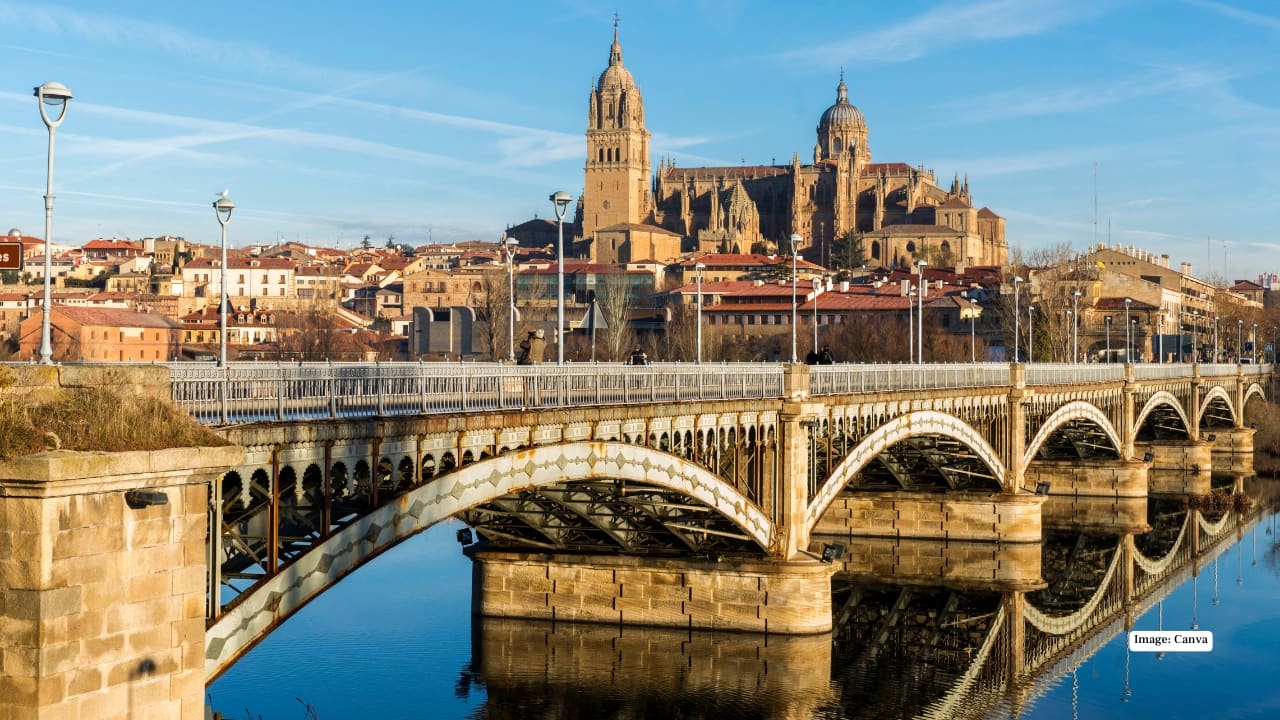
8. Spain: Sun-soaked days, walkable cities, and a slower pace of life
In Málaga, mornings don’t start early—and that’s the point.
By the time the city wakes up, you’ve already walked along the Mediterranean, grabbed a café con leche, and remembered why you chose Spain in the first place. Life here is designed around living, not rushing.
While rents have risen, Spain remains affordable compared to much of the U.S. A comfortable lifestyle can start at €1,800–€2,300 per month, with healthcare costs among the lowest in Western Europe.
Spain’s private healthcare system is excellent, public healthcare is accessible to residents, and prescription costs are shockingly low. Add over 300 days of sunshine, a strong expat network, and visas tailored for retirees and remote workers—and Spain continues to deliver.
In Málaga, mornings don’t start early—and that’s the point.
By the time the city wakes up, you’ve already walked along the Mediterranean, grabbed a café con leche, and remembered why you chose Spain in the first place. Life here is designed around living, not rushing.
While rents have risen, Spain remains affordable compared to much of the U.S. A comfortable lifestyle can start at €1,800–€2,300 per month, with healthcare costs among the lowest in Western Europe.
Spain’s private healthcare system is excellent, public healthcare is accessible to residents, and prescription costs are shockingly low. Add over 300 days of sunshine, a strong expat network, and visas tailored for retirees and remote workers—and Spain continues to deliver.
10/11

9. Thailand: A place where life is genuinely easy
Thailand runs on simplicity.
Everything—from banking to healthcare to transportation—just works. High-speed internet costs under $20 a month. A two-hour massage costs $12. You can book a doctor online in the morning and be seen the same afternoon.
Whether you’re drawn to the beaches of the south or the cooler mountains of Chiang Mai, Thailand fits nearly every budget. A single person can live comfortably on $1,200 a month, while couples enjoy beachfront homes, frequent dining out, and private healthcare for under $4,000.
Healthcare here is world-class and affordable, which is why Thailand remains one of the top medical tourism hubs globally. Add flexible visa options—from retirement visas to digital nomad programs—and you get a country that actively welcomes long-term expats.
Life here strips away friction. No endless paperwork. No constant waiting. Just warm weather, warm smiles, and days that feel lighter.
Thailand runs on simplicity.
Everything—from banking to healthcare to transportation—just works. High-speed internet costs under $20 a month. A two-hour massage costs $12. You can book a doctor online in the morning and be seen the same afternoon.
Whether you’re drawn to the beaches of the south or the cooler mountains of Chiang Mai, Thailand fits nearly every budget. A single person can live comfortably on $1,200 a month, while couples enjoy beachfront homes, frequent dining out, and private healthcare for under $4,000.
Healthcare here is world-class and affordable, which is why Thailand remains one of the top medical tourism hubs globally. Add flexible visa options—from retirement visas to digital nomad programs—and you get a country that actively welcomes long-term expats.
Life here strips away friction. No endless paperwork. No constant waiting. Just warm weather, warm smiles, and days that feel lighter.
11/11
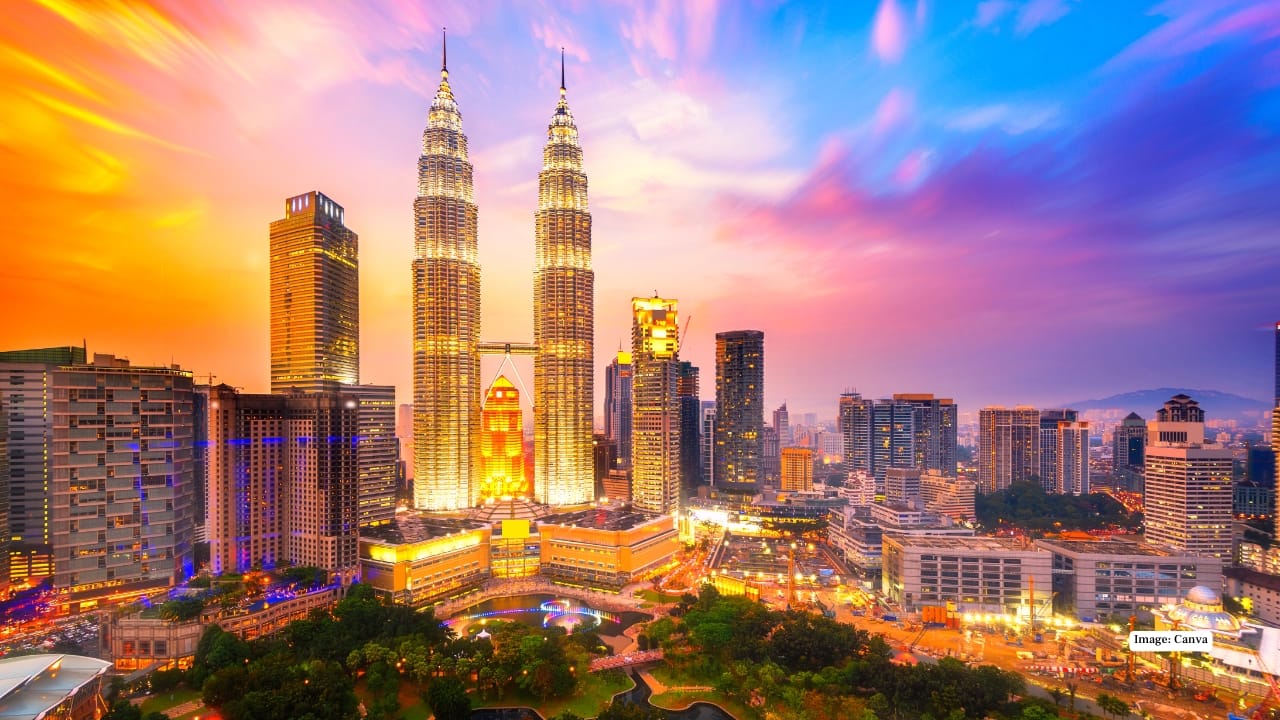
10. Malaysia: Where everyday life feels calm, kind, and quietly affordable
In Penang, mornings don’t rush you.
Some days begin with the soft ring of a trishaw bell. Other days, it’s the smell of nasi lemak floating up from a nearby stall. By mid-morning, shopkeepers sweep their storefronts, neighbors exchange greetings in a mix of English, Malay, and Hokkien, and the city settles into a gentle rhythm that feels almost forgotten elsewhere.
Penang offers a rare combination: safety, warmth, affordability, and ease. You can rent a spacious, modern four-bedroom apartment with ocean views for around $900 a month, keep utility bills under $60, and eat world-class hawker food for just a few dollars a meal.
Healthcare is equally impressive. Private hospitals are modern, efficient, and affordable—doctor visits often cost $25 or less, with little to no waiting time. Many expats skip insurance entirely because paying out of pocket simply makes sense.
English is widely spoken, the expat community blends easily with locals, and visas like Malaysia’s DE Rantau Pass or Sarawak’s relaxed MM2H option make long-term stays achievable.
Penang doesn’t try to impress you. It simply offers a life that feels balanced—and that’s exactly why people stay.
In Penang, mornings don’t rush you.
Some days begin with the soft ring of a trishaw bell. Other days, it’s the smell of nasi lemak floating up from a nearby stall. By mid-morning, shopkeepers sweep their storefronts, neighbors exchange greetings in a mix of English, Malay, and Hokkien, and the city settles into a gentle rhythm that feels almost forgotten elsewhere.
Penang offers a rare combination: safety, warmth, affordability, and ease. You can rent a spacious, modern four-bedroom apartment with ocean views for around $900 a month, keep utility bills under $60, and eat world-class hawker food for just a few dollars a meal.
Healthcare is equally impressive. Private hospitals are modern, efficient, and affordable—doctor visits often cost $25 or less, with little to no waiting time. Many expats skip insurance entirely because paying out of pocket simply makes sense.
English is widely spoken, the expat community blends easily with locals, and visas like Malaysia’s DE Rantau Pass or Sarawak’s relaxed MM2H option make long-term stays achievable.
Penang doesn’t try to impress you. It simply offers a life that feels balanced—and that’s exactly why people stay.
Discover the latest Business News, Budget 2025 News, Sensex, and Nifty updates. Obtain Personal Finance insights, tax queries, and expert opinions on Moneycontrol or download the Moneycontrol App to stay updated!



