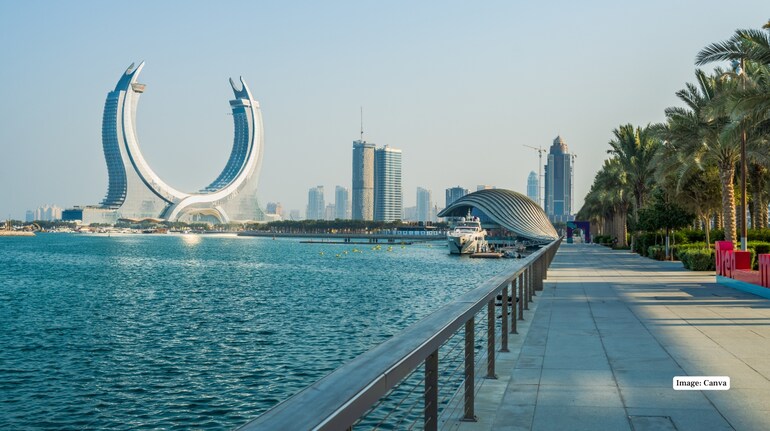
One of the characteristics of the 21st century is water scarcity. Once a nation draws more than 80 per cent of its renewable freshwater resources to irrigate lands, industries, and households, it falls in the category of an extremely high level of water stress. A number of countries are the most aggrieved today. These are the top seven that are facing the most scarcity, which makes them face a crisis and the urgency of the situation.
1. Qatar
Desalination provides almost all its fresh water in Qatar. The rainfall is very low in nature, and so the domestic and industrial needs are over-reliant on energy-intensive systems. Population growth and seasonal fluctuation in water supply make individuals more vulnerable.
2. Bahrain
This is a tiny island state which has no major natural supplies of freshwater. The groundwater is scarce and is heavily exploited. The large per-capita demand and tourism stress, as well as increasing temperatures, strain its water abstraction far beyond the sustainable thresholds.
3. Kuwait
Kuwait is practically entirely dependent on desalinated seawater and the deep mines of the aquifer. It is strained by demand in urban areas, oil infrastructure and agricultural activities. The imported water supplements are also unable to keep up with the continuous growth and climate stress.
4. United Arab Emirates (UAE)
The UAE is experiencing a high demand coupled with relatively low precipitation rates and the use of energy-intensive water production techniques. Urbanisation and industrial growth increase water demands, which rise to unsustainable levels.
5. Oman
The water shortage experienced in Oman is a natural and human-based issue. Supply is weak due to the depletion of groundwater, saltwater intrusion into coastal aquifers, and the shortage of surface water. Conventional irrigation and a movement towards crops which use more water aggravate the strain.
6. Lebanon
Lebanon is also blessed with precipitation and suffers from inadequate water infrastructure, pollution and mismanagement. There is stress on reservoirs and rivers. The buffer of population pressures and climate change is decreasing, as the buffer previously available due to seasonal rains.
7. Iran
Drought, excessive exploitation of farm water, and declining water tables accompany Iran to the list of the most water-depleted nations in the world. Big cities rely on wells, and rural regions are in competition over a depleted renewable resource.
Such seven nations are illustrative of how climatic arid conditions, population dynamics, poor water management, excess application of agriculture and overdependence on costly water acquisition interact to breed crisis. The future of severe shortages is becoming more of a reality without the investments in infrastructure, improved regulation, demand control, and alternative water sources.
Discover the latest Business News, Sensex, and Nifty updates. Obtain Personal Finance insights, tax queries, and expert opinions on Moneycontrol or download the Moneycontrol App to stay updated!
Find the best of Al News in one place, specially curated for you every weekend.
Stay on top of the latest tech trends and biggest startup news.