- My Alerts
- Go Ad-Free
-
My Account









9 beautiful places on Earth where the sun (almost) never sets or rises
Discover 9 beautiful places on Earth where the sun almost never sets or rises, from Arctic cities to Antarctica, shaped by the midnight sun and polar night.




1/11
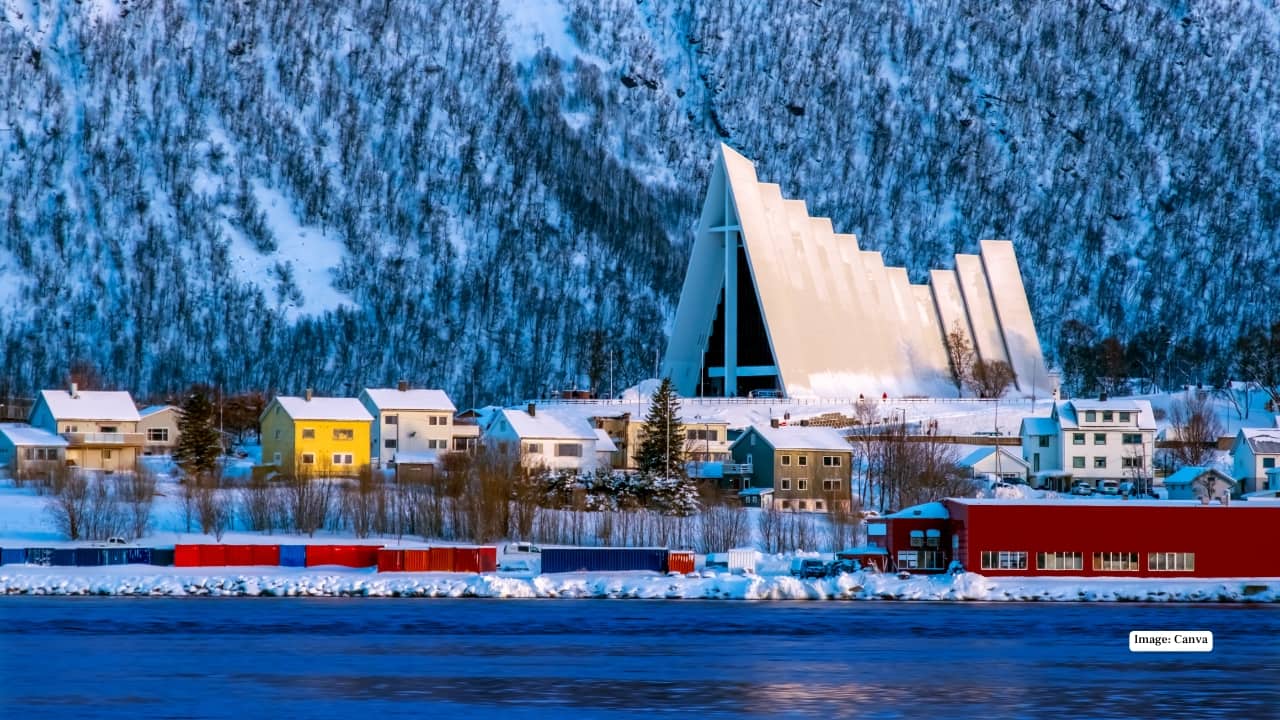
In most parts of the world, sunrise and sunset quietly frame the day. But travel far enough north or south, and that dependable rhythm breaks down. Near the top and bottom of the planet, the sun plays by different rules — lingering in the sky for weeks in summer and vanishing almost entirely in winter.
This dramatic cycle, known as the midnight sun and polar night, is caused by Earth’s axial tilt. Above the Arctic Circle and below the Antarctic Circle, daylight can stretch endlessly or disappear for months. For locals, it’s routine. For travellers, it’s surreal — a chance to hike, sail, or explore under a sun that refuses to clock out, or to witness landscapes illuminated only by moonlight and shimmering auroras.
Here are nine destinations where daylight behaves in extraordinary ways.
This dramatic cycle, known as the midnight sun and polar night, is caused by Earth’s axial tilt. Above the Arctic Circle and below the Antarctic Circle, daylight can stretch endlessly or disappear for months. For locals, it’s routine. For travellers, it’s surreal — a chance to hike, sail, or explore under a sun that refuses to clock out, or to witness landscapes illuminated only by moonlight and shimmering auroras.
Here are nine destinations where daylight behaves in extraordinary ways.
2/11
1. Tromsø, Norway
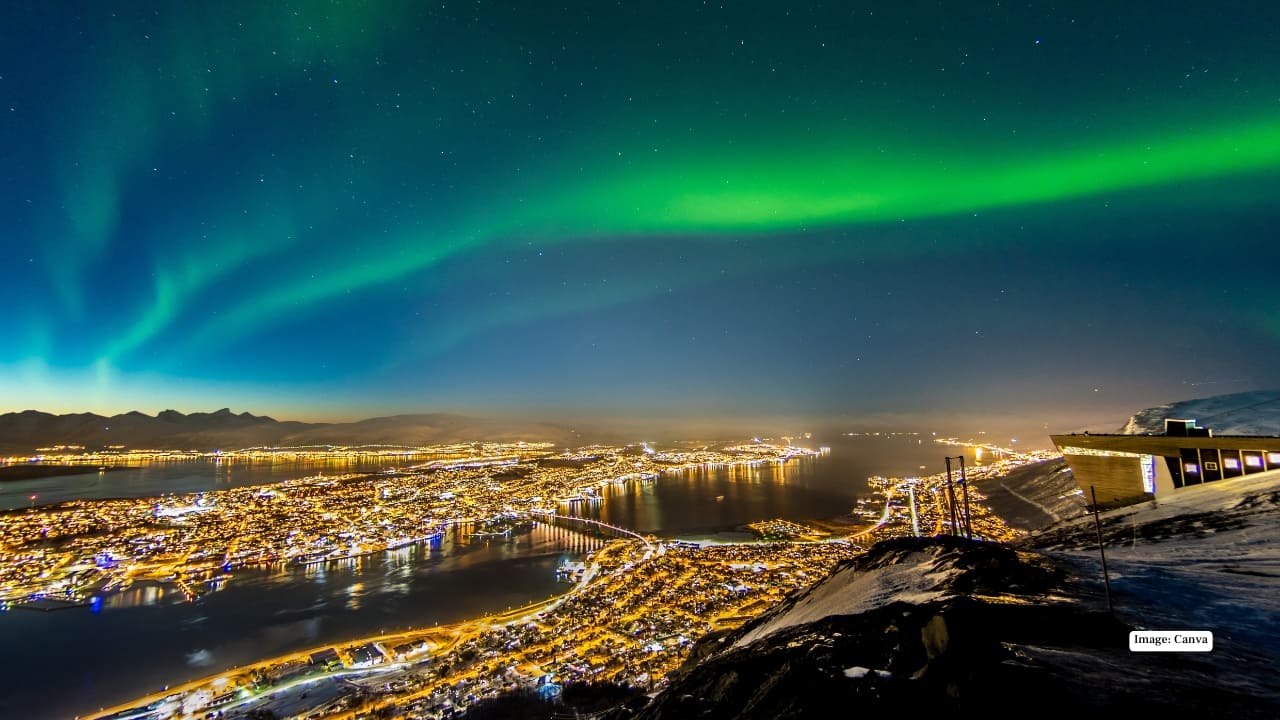
Often called the gateway to the Arctic, Tromsø sits deep within northern Norway and experiences weeks of unbroken daylight between late spring and midsummer. During this period, the sun hovers just above the horizon, bathing the city in a soft, amber glow even after midnight. Locals treat night like day — hiking, kayaking, and socialising well past conventional hours.
When winter arrives, the sun barely peeks above the horizon for weeks. The city adapts with cosy cafés, cultural festivals, and one of the world’s most reliable displays of the aurora borealis, turning long nights into a spectacle of colour.
Often called the gateway to the Arctic, Tromsø sits deep within northern Norway and experiences weeks of unbroken daylight between late spring and midsummer. During this period, the sun hovers just above the horizon, bathing the city in a soft, amber glow even after midnight. Locals treat night like day — hiking, kayaking, and socialising well past conventional hours.
When winter arrives, the sun barely peeks above the horizon for weeks. The city adapts with cosy cafés, cultural festivals, and one of the world’s most reliable displays of the aurora borealis, turning long nights into a spectacle of colour.
3/11
2. Svalbard, Norway
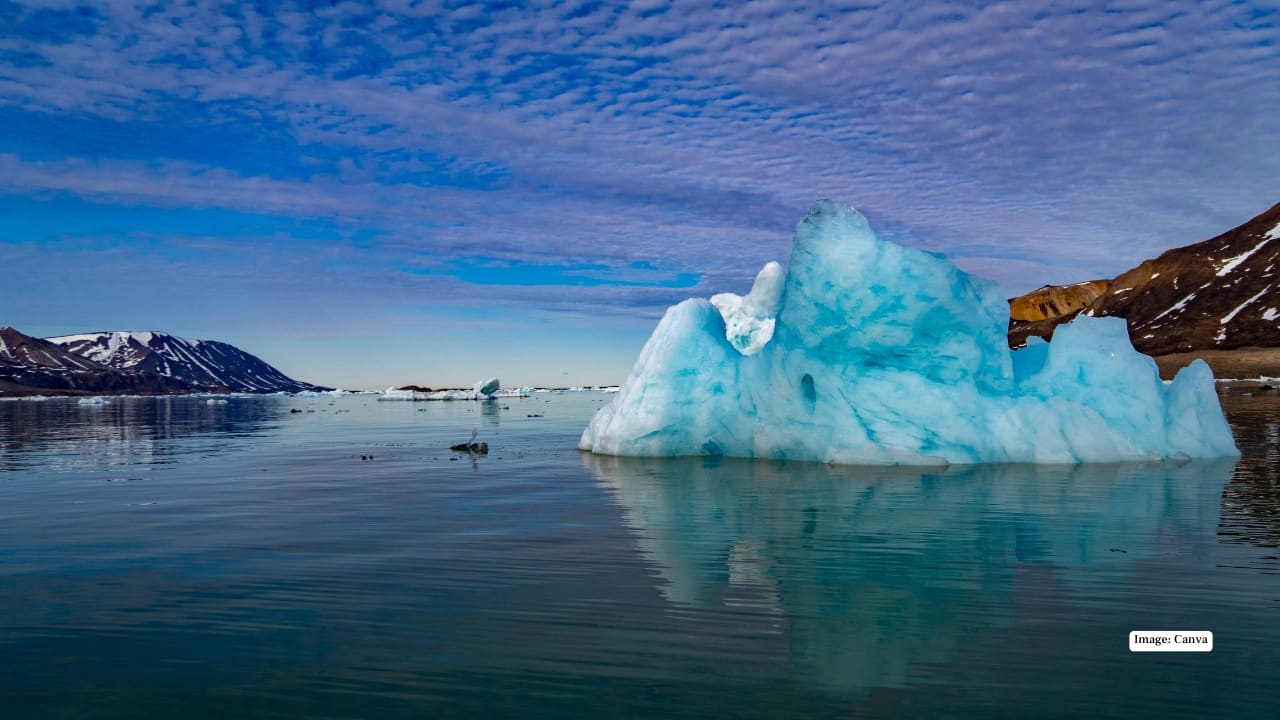
Remote and rugged, Svalbard lies closer to the North Pole than most people ever venture. Here, summer brings continuous daylight from April to August, with the sun tracing slow circles in the sky above glaciers and icy fjords. Time feels irrelevant — wildlife safaris and boat trips often happen at “midnight”.
Winter flips the script entirely. For months, darkness dominates, softened only by starlight, snow-glow, and vivid northern lights that dance across the Arctic sky.
Remote and rugged, Svalbard lies closer to the North Pole than most people ever venture. Here, summer brings continuous daylight from April to August, with the sun tracing slow circles in the sky above glaciers and icy fjords. Time feels irrelevant — wildlife safaris and boat trips often happen at “midnight”.
Winter flips the script entirely. For months, darkness dominates, softened only by starlight, snow-glow, and vivid northern lights that dance across the Arctic sky.
4/11
3. Reykjavik & Ísafjörður, Iceland
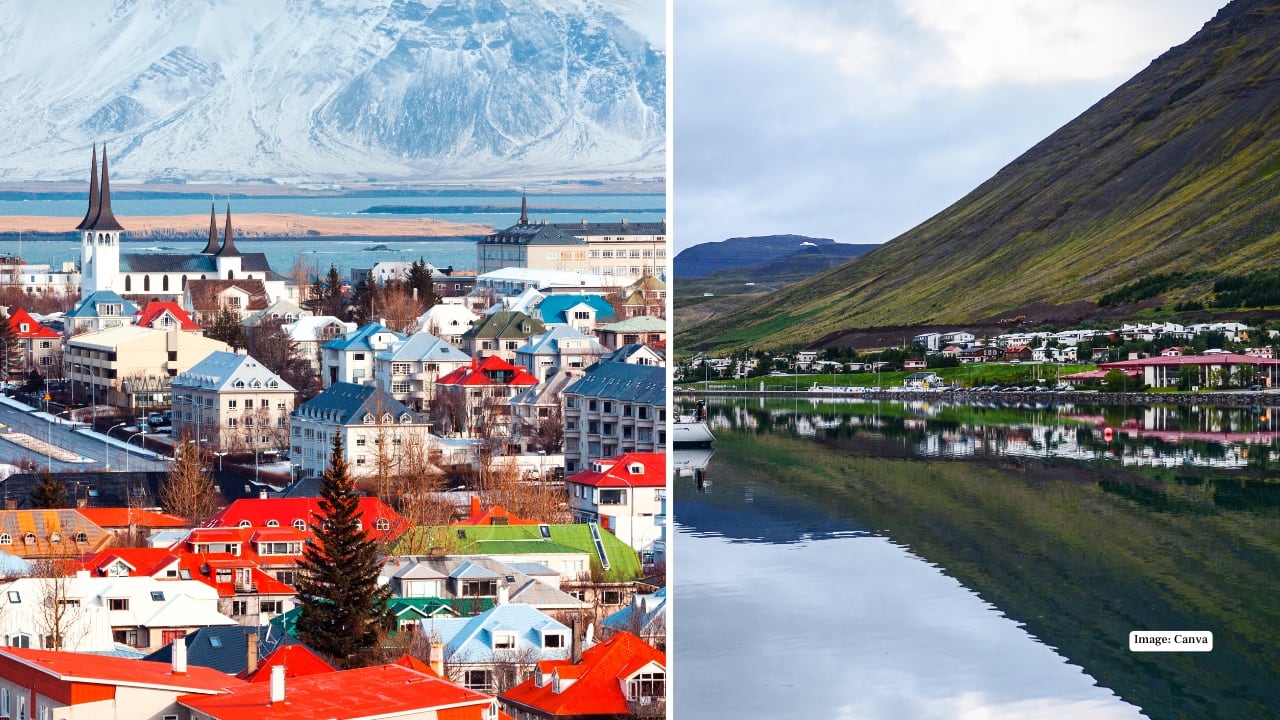
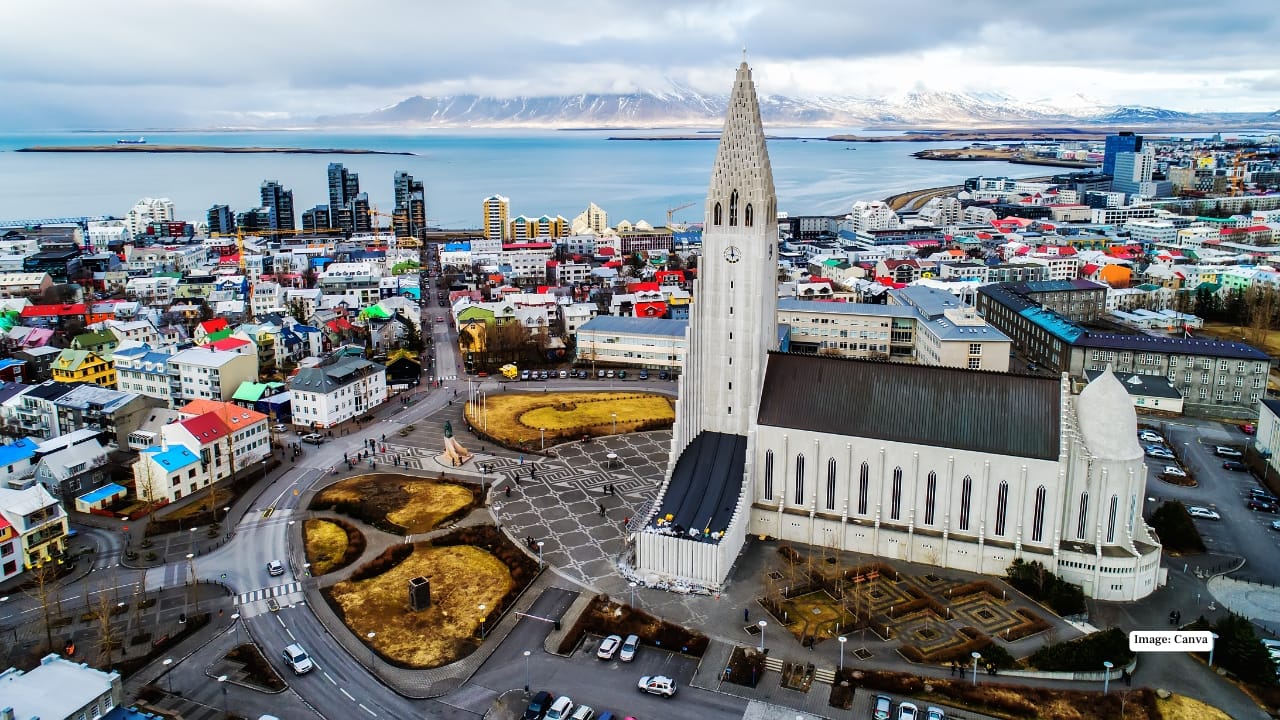
Iceland skirts the Arctic Circle, but summer nights still refuse to turn dark. In Reykjavik, June brings lingering twilight rather than true night, while Ísafjörður, tucked deep in the Westfjords, enjoys weeks of glowing evenings where the sky never fully dims.
Winter daylight shrinks dramatically. In northern towns, surrounding mountains can block the low sun altogether. Yet geothermal pools, festive lights, and winter markets add warmth to the long, shadowy days.
Iceland skirts the Arctic Circle, but summer nights still refuse to turn dark. In Reykjavik, June brings lingering twilight rather than true night, while Ísafjörður, tucked deep in the Westfjords, enjoys weeks of glowing evenings where the sky never fully dims.
Winter daylight shrinks dramatically. In northern towns, surrounding mountains can block the low sun altogether. Yet geothermal pools, festive lights, and winter markets add warmth to the long, shadowy days.
5/11
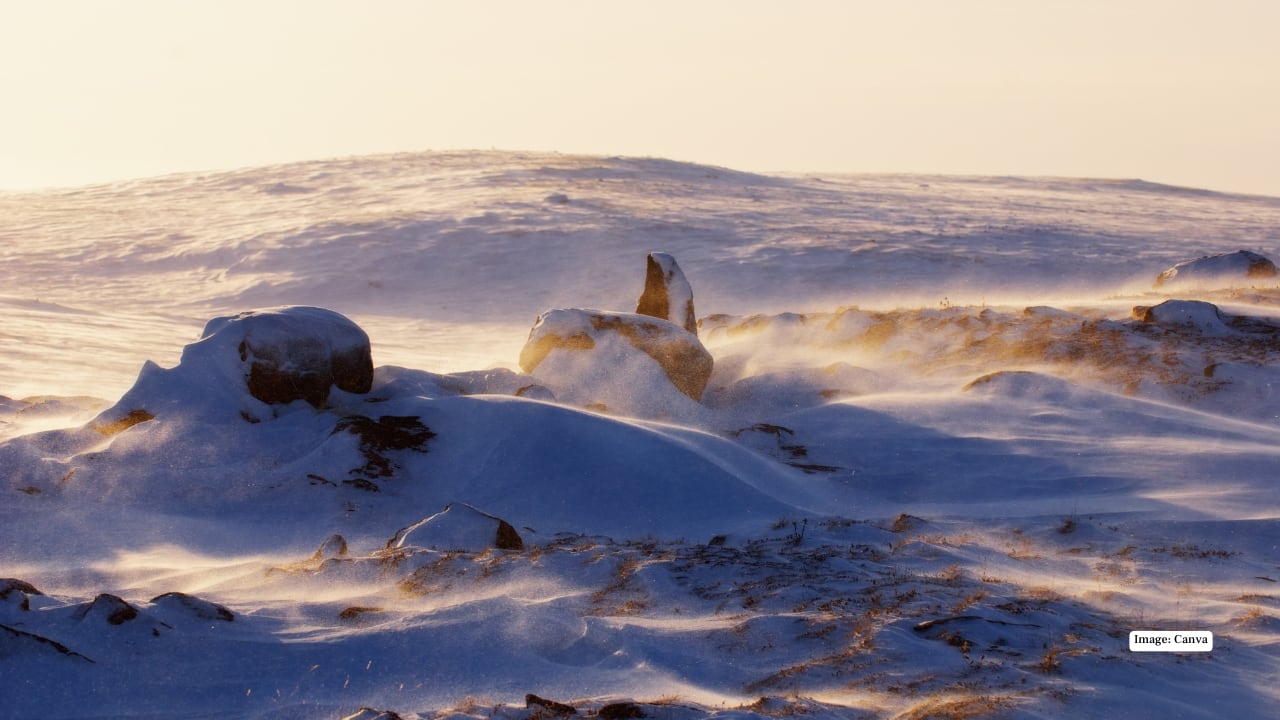
4. Iqaluit & Arctic Bay, Nunavut, Canada
Canada’s far north experiences some of the planet’s most extreme light shifts. In Arctic Bay, summer daylight stretches from early May to August, creating long, silvery days ideal for fishing and boating.
Winter brings near-total darkness, broken by moonlit snow and occasional auroras. Iqaluit, slightly farther south, avoids full polar night but still sees winter days shrink to just a few hours of pale, diffused light.
Canada’s far north experiences some of the planet’s most extreme light shifts. In Arctic Bay, summer daylight stretches from early May to August, creating long, silvery days ideal for fishing and boating.
Winter brings near-total darkness, broken by moonlit snow and occasional auroras. Iqaluit, slightly farther south, avoids full polar night but still sees winter days shrink to just a few hours of pale, diffused light.
6/11
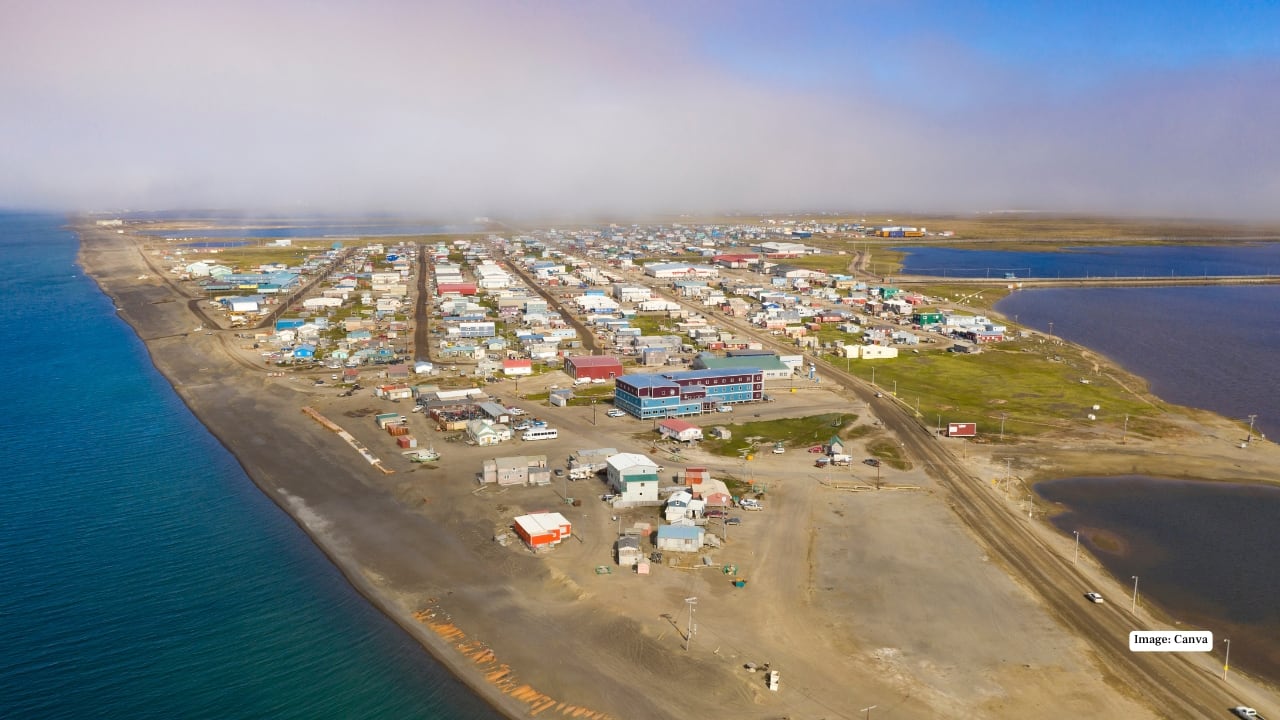
5. Utqiaġvik, Alaska
The northernmost city in the United States, Utqiaġvik greets the sun in mid-May — and doesn’t see it set again until August. Summer feels endlessly open, with festivals, community gatherings, and Arctic Ocean views under constant light.
From November to January, the city enters polar night. The landscape turns blue and silver under moonlight, creating a stark beauty that feels both isolating and deeply peaceful.
The northernmost city in the United States, Utqiaġvik greets the sun in mid-May — and doesn’t see it set again until August. Summer feels endlessly open, with festivals, community gatherings, and Arctic Ocean views under constant light.
From November to January, the city enters polar night. The landscape turns blue and silver under moonlight, creating a stark beauty that feels both isolating and deeply peaceful.
7/11
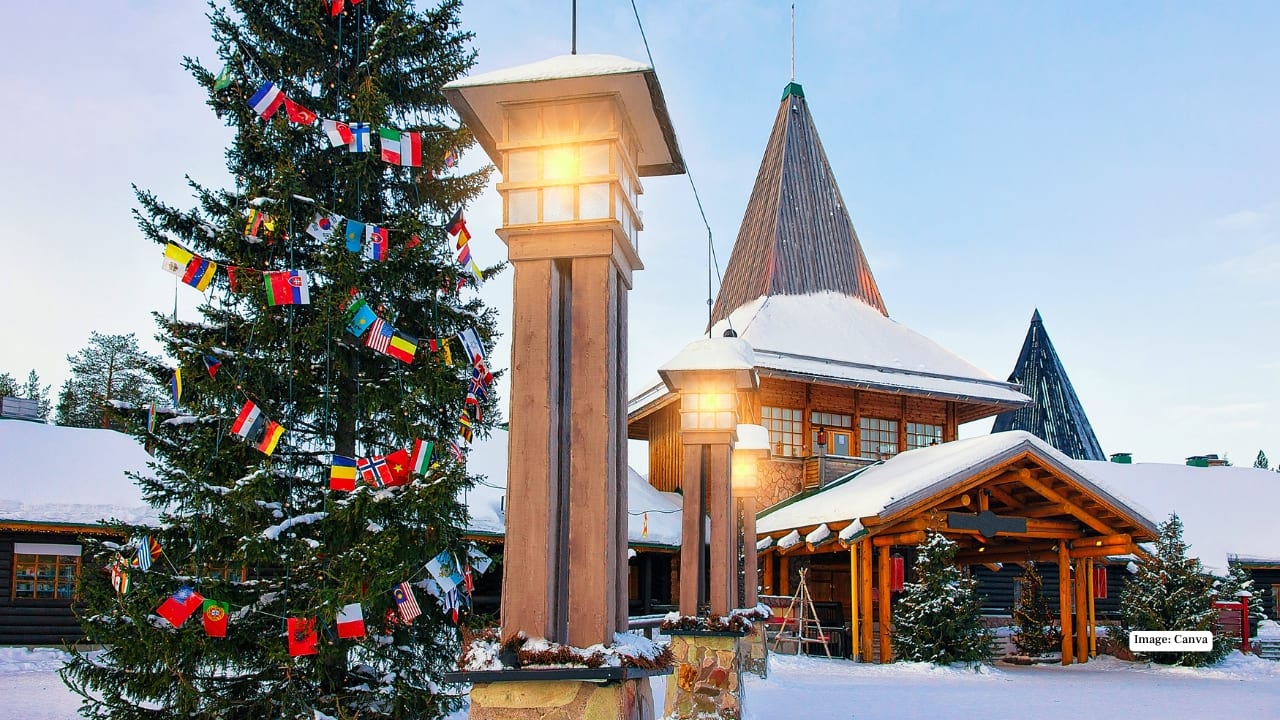
6. Rovaniemi, Finland
Straddling the Arctic Circle, Rovaniemi experiences weeks of continuous daylight in early summer. Forests glow at all hours, rivers shimmer late into the night, and outdoor adventures stretch far beyond bedtime.
Winter transforms the city. Daylight becomes fleeting, but snow amplifies every hint of brightness. Christmas markets, reindeer sleigh rides, and star-filled skies make the darkness feel magical rather than bleak.
Straddling the Arctic Circle, Rovaniemi experiences weeks of continuous daylight in early summer. Forests glow at all hours, rivers shimmer late into the night, and outdoor adventures stretch far beyond bedtime.
Winter transforms the city. Daylight becomes fleeting, but snow amplifies every hint of brightness. Christmas markets, reindeer sleigh rides, and star-filled skies make the darkness feel magical rather than bleak.
8/11
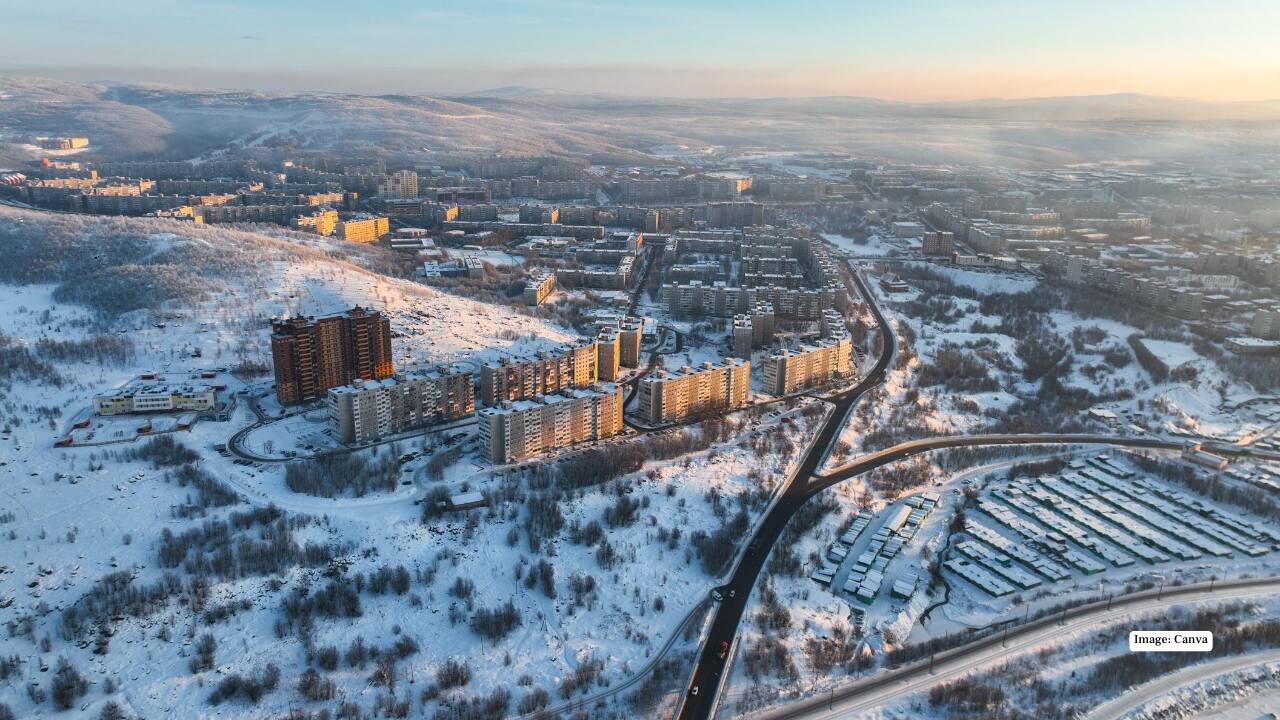
7. Murmansk, Russia
As the largest city north of the Arctic Circle, Murmansk lives by extremes. Summer brings uninterrupted daylight from late May, lighting up the harbour and surrounding hills around the clock.
During the polar night, cultural life takes centre stage. Theatres, museums, and cafés keep the city lively, while snow-covered streets glow under streetlights — and sometimes under the northern lights.
As the largest city north of the Arctic Circle, Murmansk lives by extremes. Summer brings uninterrupted daylight from late May, lighting up the harbour and surrounding hills around the clock.
During the polar night, cultural life takes centre stage. Theatres, museums, and cafés keep the city lively, while snow-covered streets glow under streetlights — and sometimes under the northern lights.
9/11
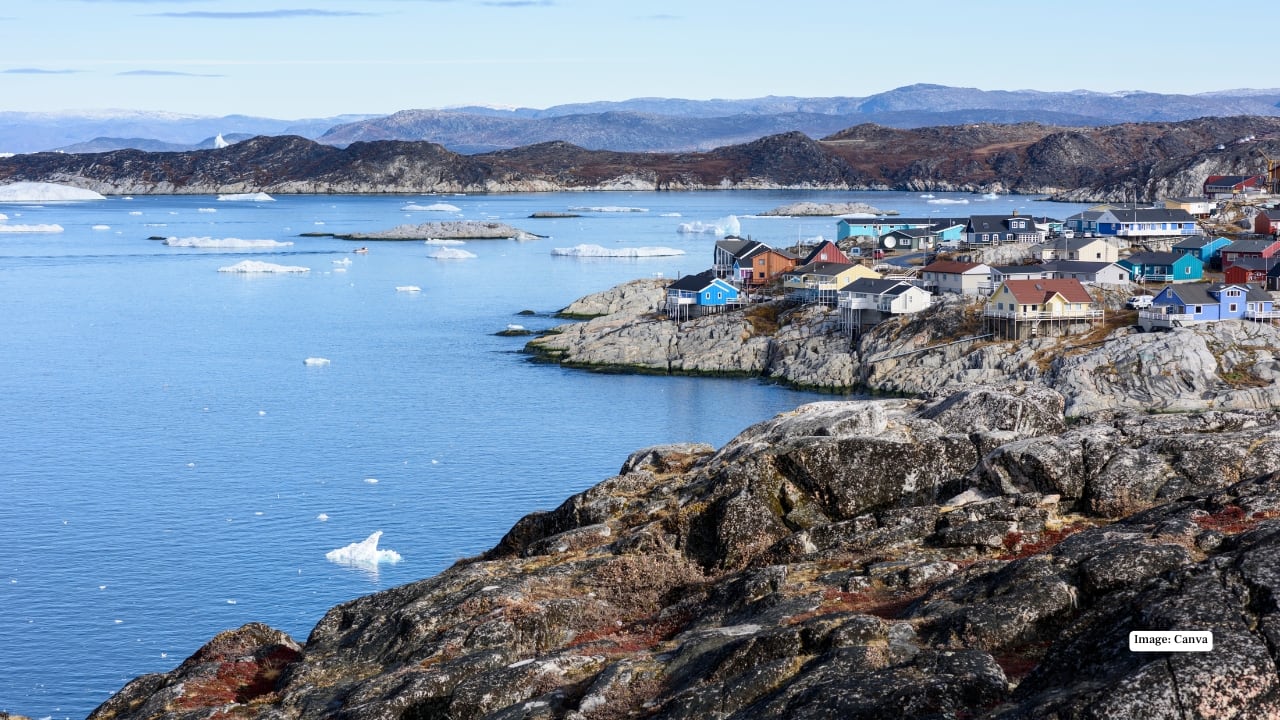
8. Ilulissat, Greenland
Set above the Arctic Circle on Greenland’s west coast, Ilulissat is famous for its ice-filled fjord and glowing summer nights. From late May, the sun barely dips, reflecting off massive icebergs in shifting shades of gold and pink.
In winter, daylight disappears for weeks, replaced by a soft midday twilight and frequent aurora displays. Life slows and moves indoors, centred around community, craft, and warm meals.
Set above the Arctic Circle on Greenland’s west coast, Ilulissat is famous for its ice-filled fjord and glowing summer nights. From late May, the sun barely dips, reflecting off massive icebergs in shifting shades of gold and pink.
In winter, daylight disappears for weeks, replaced by a soft midday twilight and frequent aurora displays. Life slows and moves indoors, centred around community, craft, and warm meals.
10/11
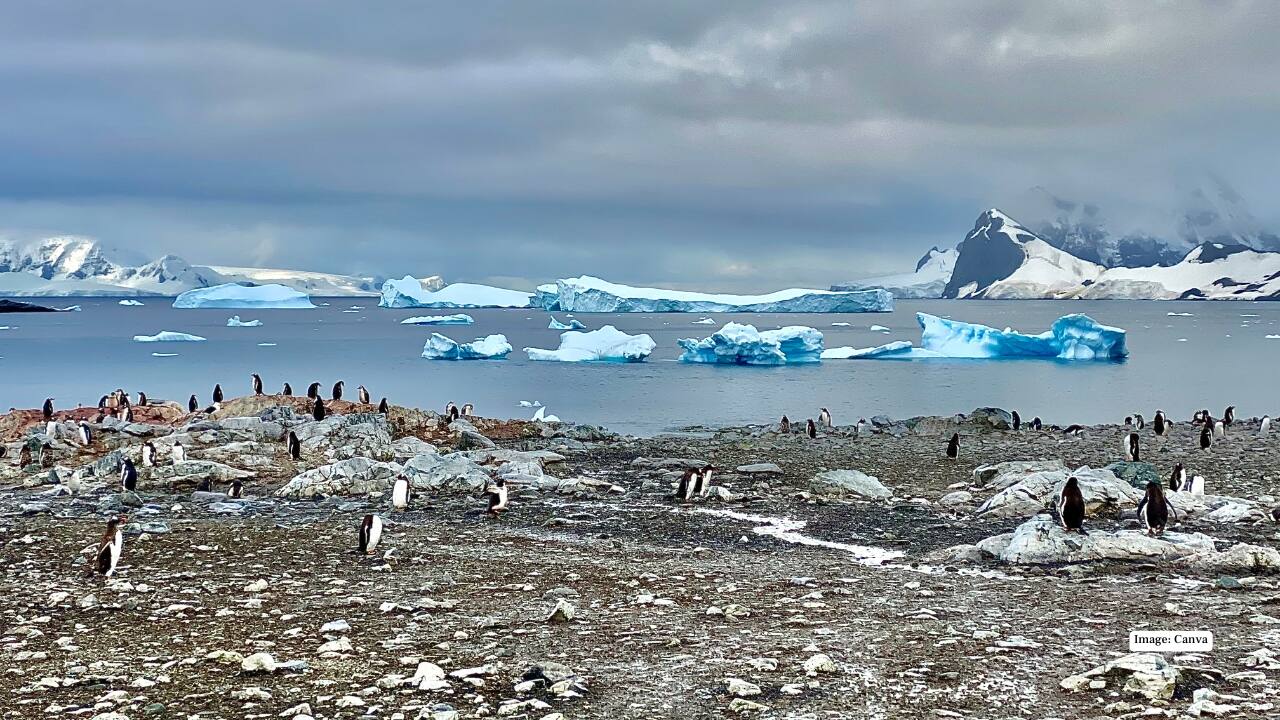
9. The Antarctic Peninsula
Few places on Earth feel as otherworldly as Antarctica. During the southern summer, the sun stays aloft for months, illuminating glaciers, mountains, and penguin colonies in pristine clarity. Researchers and expedition crews work flexible hours under constant daylight.
Winter brings total darkness. Only the southern lights, stars, and the faint glow of ice break the blackness — an experience reserved for a select few who describe it as utterly transformative.
Few places on Earth feel as otherworldly as Antarctica. During the southern summer, the sun stays aloft for months, illuminating glaciers, mountains, and penguin colonies in pristine clarity. Researchers and expedition crews work flexible hours under constant daylight.
Winter brings total darkness. Only the southern lights, stars, and the faint glow of ice break the blackness — an experience reserved for a select few who describe it as utterly transformative.
11/11
When Is the Best Time to Go?
To experience the midnight sun, plan your trip around the summer solstice — late June in the Arctic and late December in Antarctica. For the polar night, aim for the winter solstice: December in the north and June in the south.
Whether bathed in endless daylight or wrapped in months of darkness, these destinations reveal a side of Earth where time loosens its grip — and travel feels truly extraordinary.
To experience the midnight sun, plan your trip around the summer solstice — late June in the Arctic and late December in Antarctica. For the polar night, aim for the winter solstice: December in the north and June in the south.
Whether bathed in endless daylight or wrapped in months of darkness, these destinations reveal a side of Earth where time loosens its grip — and travel feels truly extraordinary.
Discover the latest Business News, Budget 2025 News, Sensex, and Nifty updates. Obtain Personal Finance insights, tax queries, and expert opinions on Moneycontrol or download the Moneycontrol App to stay updated!



