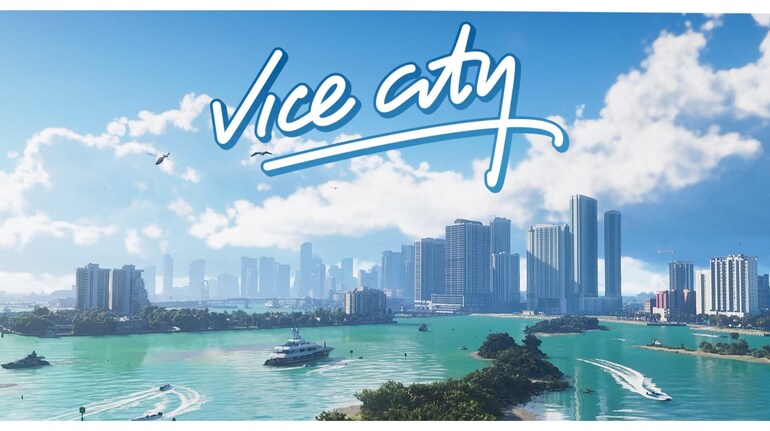

Take-Two Interactive has moved swiftly to shut down a browser-based version of Grand Theft Auto: Vice City, issuing a Digital Millennium Copyright Act takedown notice to the website hosting it. The game was available to play directly in a web browser on DOS Zone, a platform known for running classic PC titles online.
The publisher, which owns Rockstar Games and the wider GTA franchise, argued that the browser-based project crossed a legal line. Under US copyright law, a DMCA notice allows rights holders to demand the removal of infringing material without going through immediate court proceedings. Platforms that comply are protected under so-called safe harbour provisions, which is why most hosting services act quickly once a notice is received.
According to a report by Tom’s Hardware, DOS Zone was forced to remove the Vice City project entirely from its library. The takedown was issued by Ebrand, a global online brand protection firm acting on Take-Two’s behalf. In its communication, Ebrand demanded that DOS Zone remove not only the game itself but also any references, features, or demos that enabled access to Take-Two titles.
The core of Take-Two’s objection was not simply that Vice City was playable online, but how it was presented. The letter stated that the website invited users to input data and keys from original game copies in order to unlock functionality. According to Take-Two, this facilitated unauthorised use of copyrighted content and may have involved circumvention of technological protection measures. The company also said that, despite disclaimers on the site, the project was not licensed, endorsed, or approved by either Take-Two or Rockstar Games, making it misleading for users.
From a legal standpoint, Vice City is far from entering the public domain. As noted by legal analysis cited in coverage of the takedown, work-for-hire video games are protected for 95 years from publication or 120 years from creation, whichever comes first. Since Vice City was released in 2002 on PlayStation 2 and later on PC and Xbox, it will not become public domain until 2097. Until then, Take-Two retains exclusive rights over distribution and modification.
That has not stopped fans and developers from experimenting. Several reverse-engineered, open-source style versions of Vice City have appeared on GitHub, with at least one reportedly resembling the code used by the DOS Zone project. At the time of writing, these repositories remain online, but legal experts note that if Take-Two issues DMCA notices against them, Microsoft is likely to comply and remove the content.
Take-Two has a reputation for aggressively defending its intellectual property against unauthorised ports, remakes, and mods. While it is often compared to Nintendo, which is known for even stricter enforcement, this takedown is consistent with Take-Two’s past actions. The company still actively sells Vice City across multiple platforms, including PC, modern consoles, mobile devices, and the Nintendo Switch, giving it a strong commercial incentive to limit unofficial alternatives.
Some fans argue that an official browser-based release of GTA classics could have avoided this situation altogether. A cloud or web version of GTA The Trilogy could, in theory, allow players to access the games legally on any device. For now, however, Take-Two’s priorities appear focused elsewhere, particularly on the long and closely watched development of GTA VI, which is currently expected to launch in November 2026 after multiple delays.
The DOS Zone takedown is a reminder that even technically impressive fan projects exist at the mercy of copyright law. As long as classic games remain commercially active, publishers are unlikely to tolerate unofficial versions, especially those that blur the line between preservation and public distribution.


Discover the latest Business News, Sensex, and Nifty updates. Obtain Personal Finance insights, tax queries, and expert opinions on Moneycontrol or download the Moneycontrol App to stay updated!
Find the best of Al News in one place, specially curated for you every weekend.
Stay on top of the latest tech trends and biggest startup news.