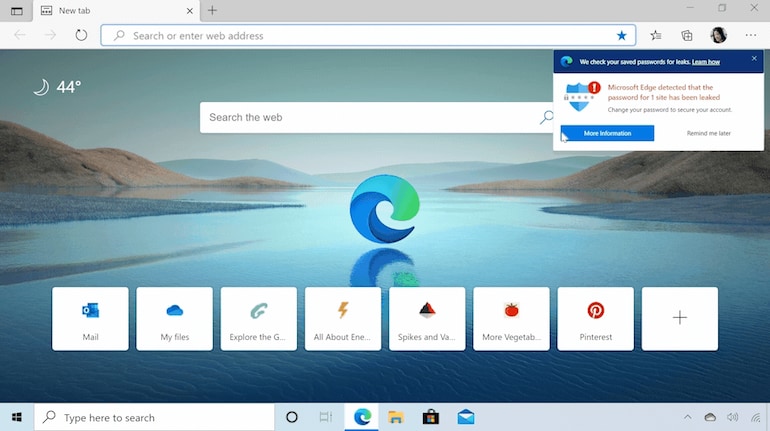

Microsoft’s desire to keep users inside its own browser ecosystem is no secret. Despite being the default browser on Windows 11, Edge still trails far behind Google Chrome, which dominates the desktop market. To close that gap, Microsoft has relied on a mix of feature development and persistent nudging when users try to download rival browsers.
That approach now appears to be expanding to OpenAI’s ChatGPT Atlas browser. According to reports, three new flags have been spotted in Edge Canary that suggest Microsoft is preparing to intercept Atlas-related downloads in much the same way it already does with Chrome.
The flags, labelled msEdgeAtlasDownloadBingReferrerHideIntercept, msEdgeAtlasDownloadIntercept, and msEdgeAtlasDownloadInterceptTreatmentParam, strongly mirror the existing Chrome-related mechanisms in Edge. When users search for Chrome using Bing inside Edge, Microsoft surfaces banners highlighting Edge’s advantages. Visiting Chrome’s download page can also trigger a one-time pop-up urging users to stay.
The first Atlas-related flag likely checks whether a user is searching for the ChatGPT Atlas browser using Bing within Edge, potentially triggering a promoted section in search results. The second appears to activate an intercept when users land on Atlas’s download page. The third suggests Microsoft is testing different messages or banners to display when that intercept is triggered.
A pre-emptive move against a future AI browser rival
What makes this development particularly notable is its timing. ChatGPT Atlas is still in development for Windows and is currently available only on macOS. Adding these flags so early suggests Microsoft already sees Atlas as a meaningful threat to Edge’s position, especially as AI-driven browsers emerge as a new category.
Edge already leans heavily on AI, with built-in Copilot, AI-powered tab organisation, theme generation, and other tools. But Atlas is positioned as a full AI-first browser, with features like Agent Mode that can handle multi-step tasks such as form filling with minimal user input. Competing with that may require Edge to push even further into automation and agent-style workflows.
That raises an important question for Microsoft. While Edge gaining smarter AI features could appeal to power users, not everyone wants their browser to become an autonomous assistant. Mozilla recently faced backlash from Firefox users over plans to expand AI functionality, and Edge could face similar resistance if changes feel intrusive or unnecessary.


Discover the latest Business News, Sensex, and Nifty updates. Obtain Personal Finance insights, tax queries, and expert opinions on Moneycontrol or download the Moneycontrol App to stay updated!
Find the best of Al News in one place, specially curated for you every weekend.
Stay on top of the latest tech trends and biggest startup news.