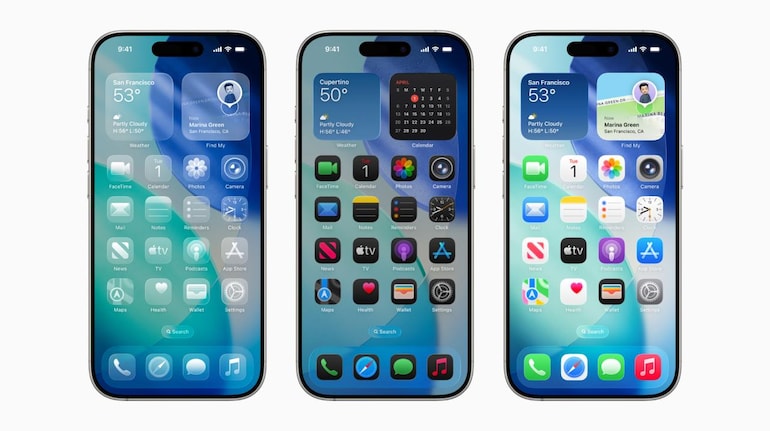

Nearly four months after its public release, iOS 26 is facing questions over whether iPhone users are actually upgrading in meaningful numbers. Fresh data from analytics firm Statcounter suggests adoption is unusually slow, with a majority of users still holding on to older software. However, a separate dataset from TelemetryDeck presents a far more encouraging picture, highlighting how methodology can dramatically shape the narrative around software uptake.
According to Statcounter, which has tracked operating system usage trends for years using web-based data, iOS 26 adoption remains well behind that of earlier releases at a similar point in time. Its January 2026 global snapshot shows that most active iPhones are still running some version of iOS 18. The largest single share comes from iOS 18.7 at 33.8 percent, followed by iOS 18.6 at 25.2 percent and iOS 18.5 at 5.6 percent. Combined, iOS 18 versions account for more than 60 percent of all observed devices.
In contrast, Statcounter’s figures for iOS 26 remain modest. iOS 26.1 accounts for 10.6 percent of active devices, iOS 26.2 sits at 4.6 percent, and the initial iOS 26.0 release trails at just 1.1 percent. That puts total iOS 26 usage at roughly 16 percent, a level that appears strikingly low when viewed against historical patterns.
This is where the comparison with previous releases becomes important. In January 2025, roughly four months after the launch of iOS 18, more than 60 percent of users were already on the then-latest software. A year earlier, iOS 17 had crossed the 50 percent mark within a similar timeframe. Against that backdrop, Statcounter’s data suggests iOS 26 is underperforming by a wide margin.
However, TelemetryDeck tells a very different story. Using data collected directly from apps that integrate its analytics software development kit, TelemetryDeck estimates that around 60 percent of users are already on iOS 26, with roughly 37 percent still using iOS 18. If accurate, this would put iOS 26 broadly in line with historical adoption trends rather than behind them.
The sharp divergence between the two datasets highlights a familiar issue in technology analytics. Statcounter relies on web impressions to infer operating system usage, which can skew results depending on browsing behaviour, device types, and regional patterns. TelemetryDeck, on the other hand, gathers data from active apps, offering a more direct view of what software real users are running when they open and use applications.
Developers tracking their own app analytics often report figures closer to TelemetryDeck’s estimates than Statcounter’s, lending some weight to the more optimistic interpretation. At the same time, neither approach offers a complete picture of the entire iPhone ecosystem.
For Apple, the debate may be more academic than alarming. Software adoption ultimately continues to trend upward over time, and major updates often accelerate once users replace older devices or feel confident that early bugs have been resolved. Still, the contrasting reports underline how perceptions around iOS 26 adoption depend heavily on where the data comes from, and why headline numbers should be treated with caution rather than taken at face value.


Discover the latest Business News, Sensex, and Nifty updates. Obtain Personal Finance insights, tax queries, and expert opinions on Moneycontrol or download the Moneycontrol App to stay updated!
Find the best of Al News in one place, specially curated for you every weekend.
Stay on top of the latest tech trends and biggest startup news.