






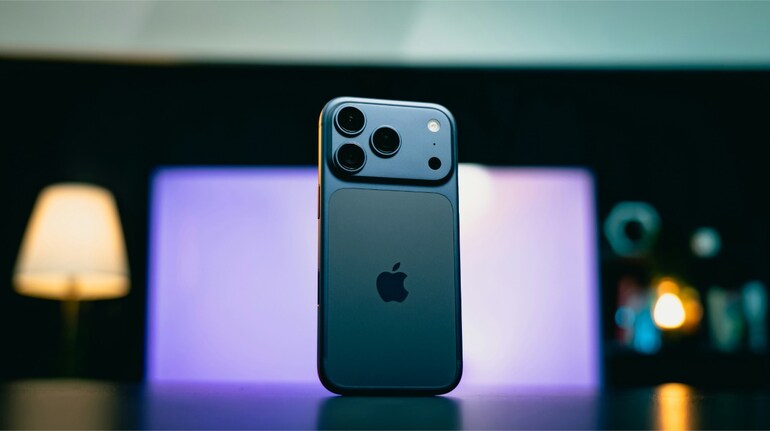

An Apple iPhone set to Lockdown Mode stopped the Federal Bureau of Investigation from accessing its data, according to newly filed court records. The case offers a rare, plain look at how Apple’s most restrictive security setting works in practice — and how it can limit even advanced attempts to unlock a phone.
The iPhone belonged to a reporter at the Washington Post and was seized during a January search connected to an investigation into leaks of classified information. When agents found the phone, it was powered on, charging, and clearly showing that Lockdown Mode was enabled. Court documents filed nearly two weeks later indicate the FBI was still unable to extract any data from it.
Lockdown Mode is an optional setting on iPhones that Apple introduced for people who may face higher security risks. When turned on, it changes how the phone behaves by limiting several features. Message attachments are blocked, some web content is restricted, and FaceTime calls are limited. More importantly in this case, the phone will not connect to external devices unless it is already unlocked.
That matters because many phone-unlocking methods depend on plugging the device into specialised equipment. According to the court filing, the FBI’s Computer Analysis Response Team could not extract the iPhone specifically because Lockdown Mode was active. The document is written by the government itself and makes clear that the setting was the main obstacle.
The warrants in this case allowed investigators to try unlocking devices using fingerprints or facial recognition. Even with that authority, the iPhone could not be accessed. This stands in contrast to another device seized during the same search — a MacBook — which was unlocked using a fingerprint, allowing investigators to view some data stored on it.
Apple has gradually increased security on the iPhone over the years, often in ways that only become visible during legal or forensic disputes. Lockdown Mode is the most restrictive option available to users, and most people never turn it on. But this case shows what happens when it is enabled: common methods used to access phones simply do not work as expected.
Neither Apple nor the Washington Post commented on the court filing. The FBI declined to respond.
The documents highlight a continuing tension between phone makers and law enforcement. As device security becomes stronger by default, investigators face growing limits on what they can access, even with a warrant. In this instance, a single setting on an iPhone was enough to keep its contents out of reach.



Discover the latest Business News, Sensex, and Nifty updates. Obtain Personal Finance insights, tax queries, and expert opinions on Moneycontrol or download the Moneycontrol App to stay updated!
Find the best of Al News in one place, specially curated for you every weekend.
Stay on top of the latest tech trends and biggest startup news.







