
Tech companies around the world are going to great lengths to secure memory chips, with some even stationing executives in South Korean hotels for months at a time, according to recent reports. The unusual move comes as a global shortage of memory chips, made worse by rising demand from artificial intelligence (AI), has sent prices skyrocketing and made it harder for companies to lock in supplies.
At the centre of this story is memory used in everyday tech like smartphones and servers. These chips, known as RAM, are vital for performance. But since mid 2025, their prices have surged by as much as 300 per cent, making them far more expensive than before. For example, a 12 gigabyte RAM module now costs Apple about $70, an increase of more than 200 per cent compared with early 2025 prices.
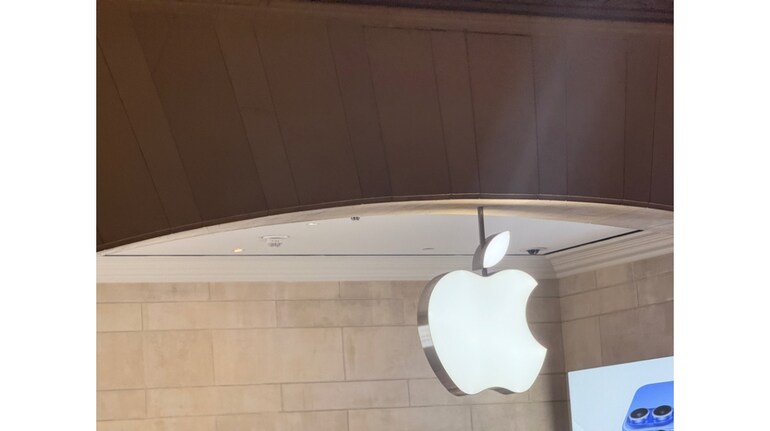
To protect their future product plans, some of the biggest tech names are acting unusually. Apple, in particular, has reportedly stationed purchasing teams in hotels near the factories run by Samsung and SK Hynix, two of the world’s largest memory makers. These teams are now living in nearby business hotels in places like Hwaseong and Pangyo in South Korea’s Gyeonggi Province, hoping to negotiate long term contracts that would secure memory supplies for the next two to three years.
It’s not just Apple. Companies including Dell, Google and Amazon have also sent executives to the region for extended stays as they push for better access to memory chips. Local hotels have seen a boom in bookings because of these long term business guests, with some describing the trend as a kind of new “semiconductor tourism.”
Despite this surge in demand, Samsung and SK Hynix have so far been sticking to shorter quarterly contracts. They are reluctant to agree to longer deals at fixed prices, largely because they expect memory prices to continue rising through 2026 and into 2027. Recent reports say that standard server memory supplies are being offered at roughly 60 to 70 per cent higher prices in early 2026 compared with late 2025.
A major reason for the shortage is the explosive demand from the AI world. AI systems require a special type of memory called HBM3E, which is made by stacking many DRAM chips together. High demand AI accelerators like Nvidia’s H200 need eight HBM3E units each, and companies around the world, including large buyers in China, have placed billions of dollars’ worth of orders after gaining approval to import advanced AI technology.
Because so much factory capacity is now tied up producing this advanced AI memory, less is left for standard RAM used in phones and other devices. As a result, memory prices have risen so sharply that the cost of RAM now makes up a larger share of smartphone production costs than in the past.
For consumers, this could lead to noticeable effects. The higher cost of memory may push companies like Apple to either raise the prices of future iPhones or include less memory in new models to keep prices down. Apple’s strong profit margins and software efficiency may help it absorb the hit better than some rivals, but the chip shortage remains a major challenge.
In the end, the situation shows just how much the global tech supply chain has shifted. What used to be quiet negotiations are now happening in hotel rooms, with tech buyers and memory makers locked in a tug of war over chips that power everything from smartphones to the AI systems of tomorrow. If memory supplies don’t stabilise soon, consumers may begin to feel the impact not just in factory regions like South Korea but also in the phones and computers they use every day.



Discover the latest Business News, Sensex, and Nifty updates. Obtain Personal Finance insights, tax queries, and expert opinions on Moneycontrol or download the Moneycontrol App to stay updated!
Find the best of Al News in one place, specially curated for you every weekend.
Stay on top of the latest tech trends and biggest startup news.