

Imagine a creature that can outpace a speeding car, reach speeds that rival the fastest jets and strike its prey before that prey even realises what hit it. Welcome to the world of the peregrine falcon. This bird is so fast that scientists still find its speed breathtaking.
A Bird Found Worldwide
Peregrine falcons live on every continent except Antarctica. They thrive on cliffs, mountains, and city skyscrapers alike. Urban towers mimic their ancient cliff nesting sites. 17 subspecies have adapted to diverse environments globally. Their presence astonishes birdwatchers and scientists alike. Despite familiarity, peregrines remain awe-inspiring predators. Nature designed them for speed, skill and survival.
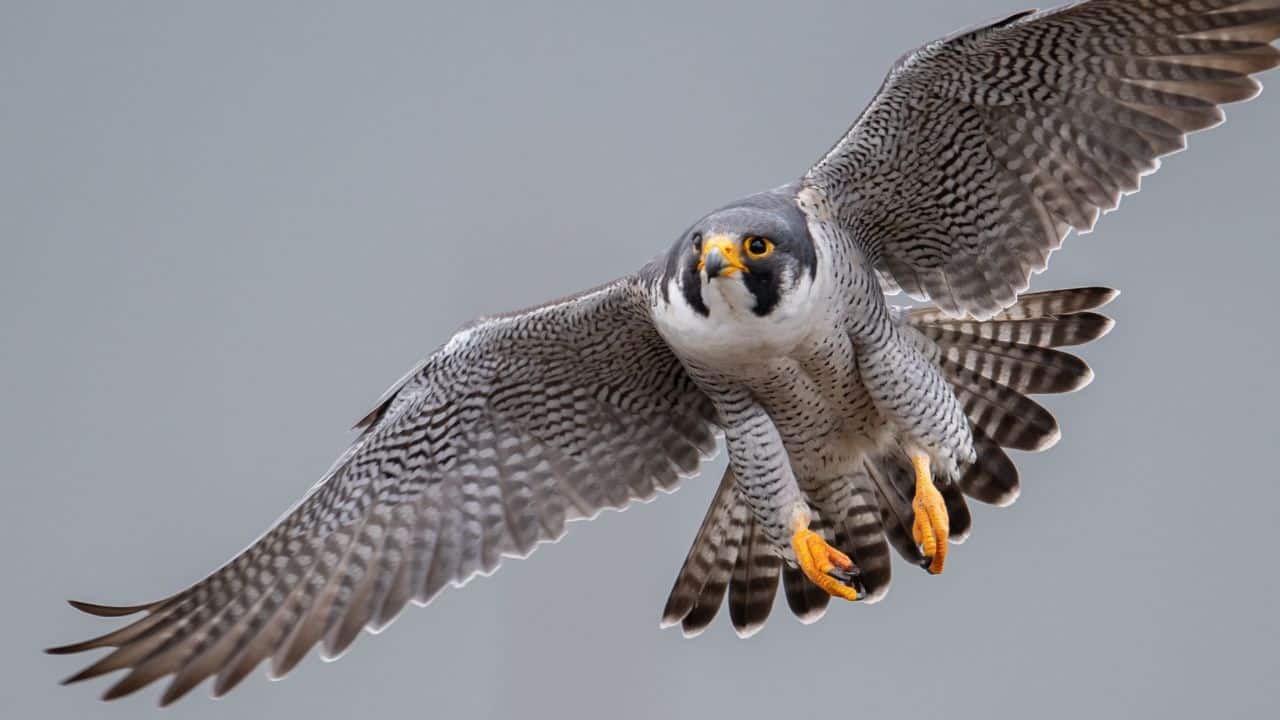 17 subspecies have adapted to diverse environments globally. (Image: Canva)
The Fastest Bird on the Planet
When this bird dives from high in the sky to catch its next meal, it does fly faster at mind‑blowing speed. Scientists estimate that during its hunting “stoop,” the peregrine falcon can exceed 300 km/h (186 mph). This makes it the fastest bird on Earth. This bird has outraced cheetah and sailfish. This bird has controlled gravity‑powered diving and perfected over millions of years of evolution.
Hunting Like a Living Missile
It hunts birds such as pigeons and starlings efficiently. High above, it scans for prey with keen eyesight. Once spotted, the stoop begins, a gravity-powered dive. Every movement is calculated, precise and deadly effective. The strike is often completed before prey reacts. Falcons are masters of aerodynamics in natural form. This hunting style fascinates scientists and casual observers alike.
This bird is Built for Speed
Every part of its body enhances velocity and control. Streamlined shape, pointed wings, and strong tail balance maneuvers. Muscles and bones are optimised for extreme g-forces. The falcon’s lightweight frame does not compromise strength. Evolution crafted a perfect predator of sky and wind.
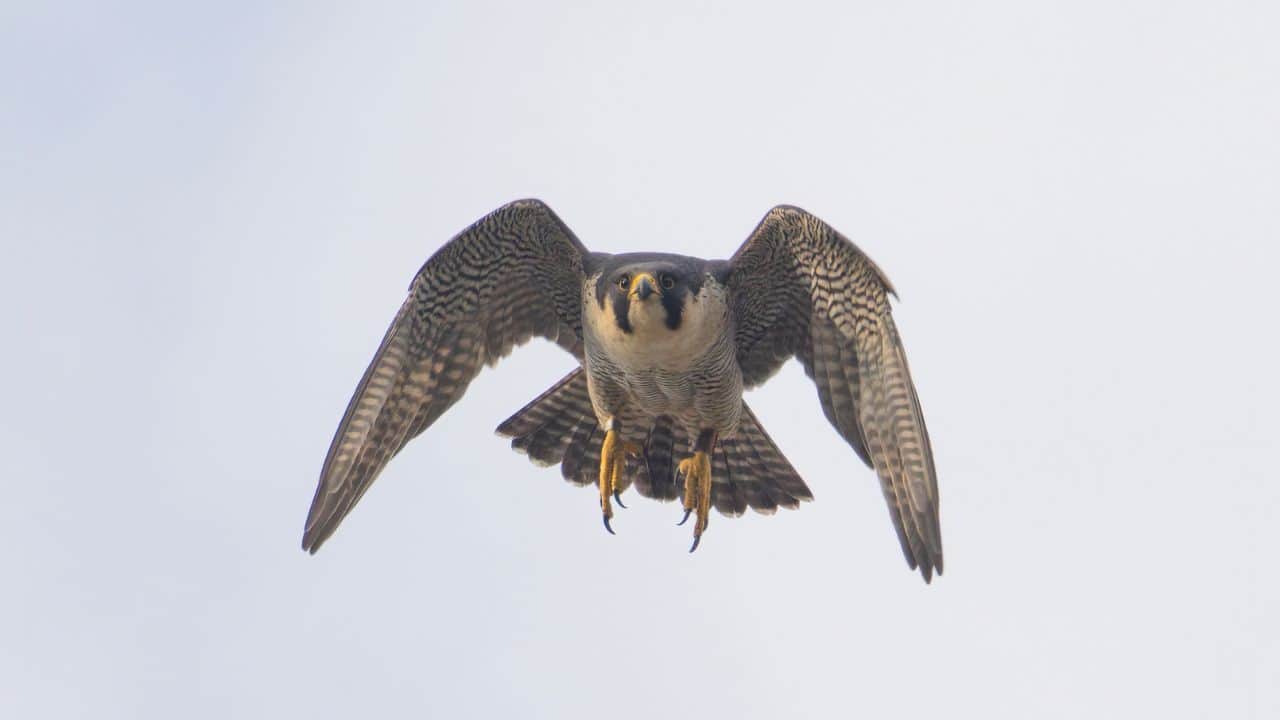 The falcon’s lightweight frame does not compromise strength. (Image: Canva)
A Species That Came Back From the Brink
Peregrine falcons declined in mid-20th century due to DDT. Populations fell dangerously low worldwide, threatening survival completely. Conservation efforts and chemical bans reversed the trend dramatically. Today, falcons thrive in cities and wild habitats again. They remain a symbol of resilience and natural engineering.
Why People Are Still Amazed?
It’s not just speed, but precision and adaptability combined. From cliffs to urban towers, it thrives without compromise. It survives, hunts and reproduces despite human-altered environments. Every stoop reminds us nature outpaces human imagination. Its recovery tells a story of survival and hope.
Discover the latest Business News, Sensex, and Nifty updates. Obtain Personal Finance insights, tax queries, and expert opinions on Moneycontrol or download the Moneycontrol App to stay updated!
Find the best of Al News in one place, specially curated for you every weekend.
Stay on top of the latest tech trends and biggest startup news.