- My Alerts
- Go Ad-Free
-
My Account









International Mountain Day: Science behind the world’s top 10 mountains
This International Mountain Day, explore the science behind the 10 world’s highest peaks, revealing geological forces, glacial processes, climate patterns and remarkable ecological adaptations shaping life at extreme altitudes.




1/10
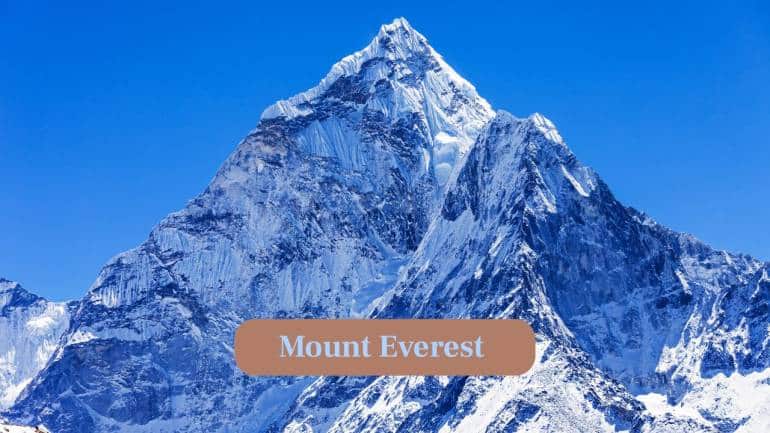
1. Extreme Altitude of Mount Everest: Mount Everest demonstrates atmospheric pressure effects, oxygen scarcity and human physiological adaptation to hypoxia at extreme altitudes, informing high-altitude medicine research worldwide. (Image: Canva)
2/10
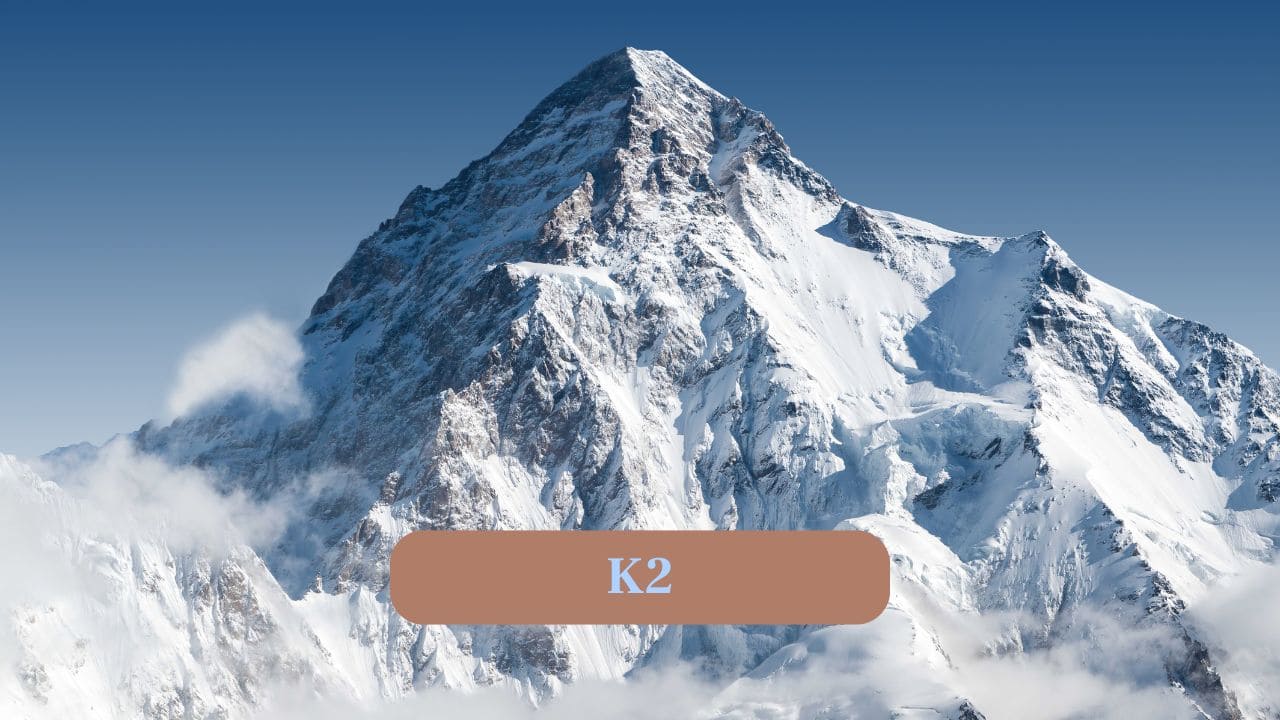
2. Glacial Dynamics of K2: K2’s glaciers move slowly yet reshape valleys and peaks, offering scientists insights into ice flow, erosion and climate-driven glacier retreat patterns. (Image: Canva)
3/10

3. Alpine Biodiversity of Kangchenjunga: Alpine ecosystems of Kangchenjunga, support cold-adapted plants and animals, illustrating extreme survival strategies, photosynthetic efficiency and genetic adaptations in harsh environments. (Image: Canva)
4/10
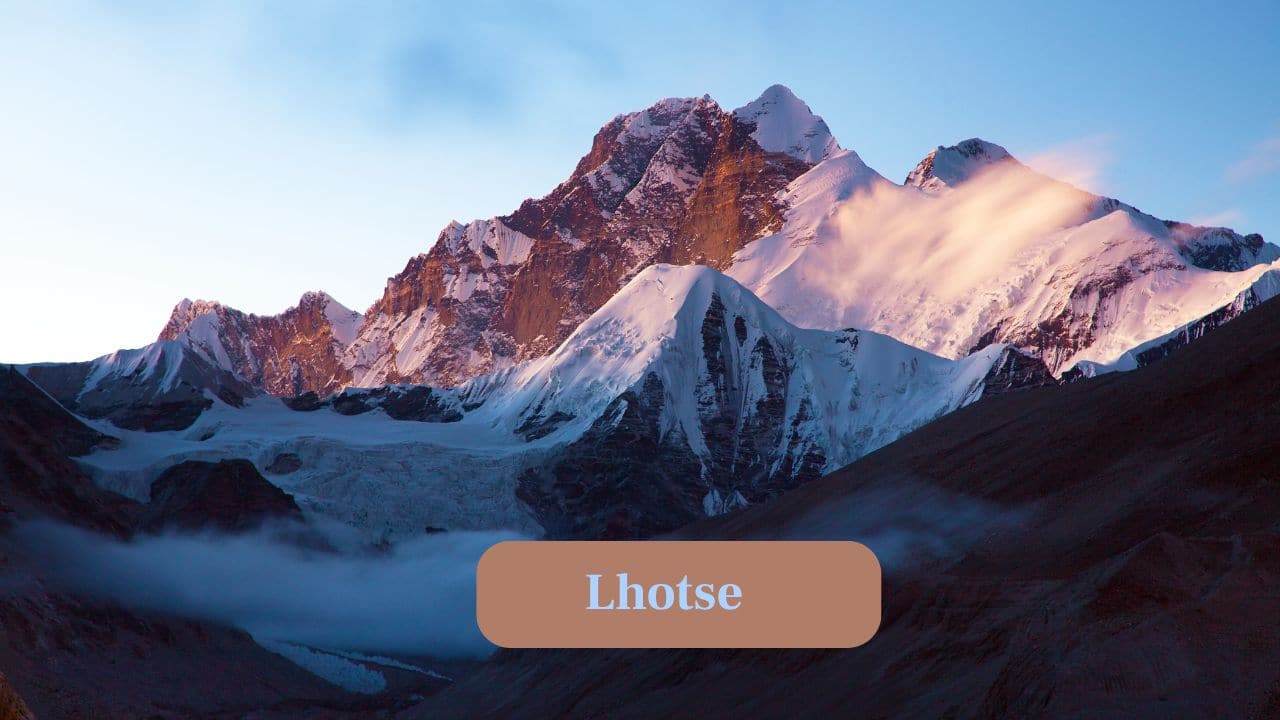
4. Rock Formation in Lhotse: Lhotse reveals layered metamorphic and sedimentary rocks, providing evidence of tectonic uplift, crustal stress and the Earth’s dynamic geological history. (Image: Canva)
5/10
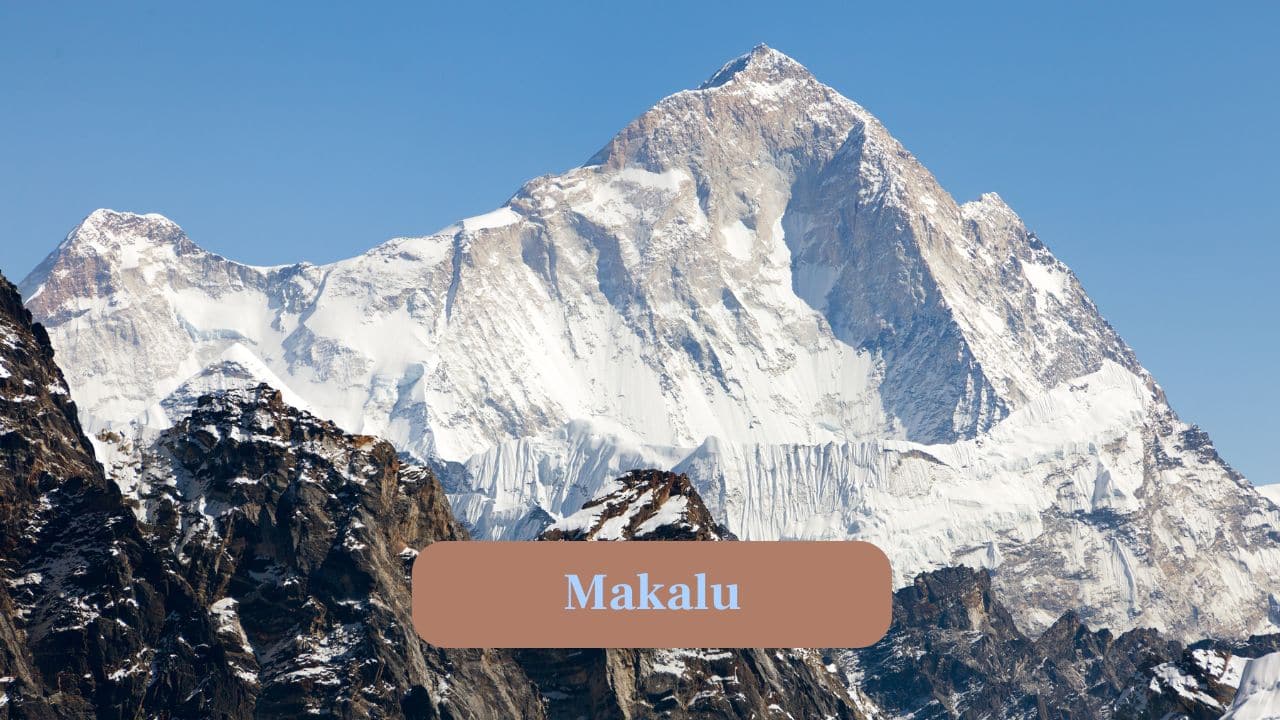
5. Chemical Erosion in Makalu: Makalu showcases mechanical and chemical erosion processes shaping sharp ridges, cliffs and valleys, demonstrating natural landscape evolution over millennia. (Image: Canva)
6/10
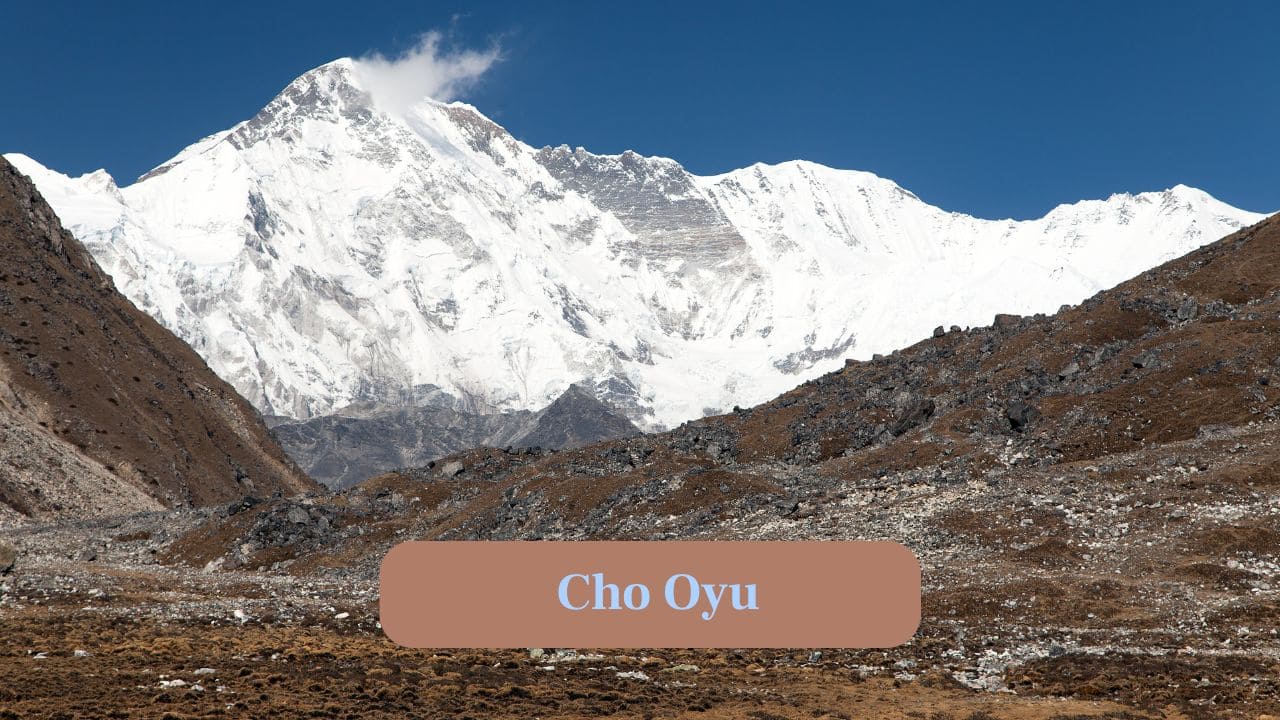
6. Cho Oyu is the Climate Indicator: Cho Oyu’s ice and snow layers preserve climate records, including atmospheric composition, temperature shifts and precipitation patterns over thousands of years. (Image: Canva)
7/10
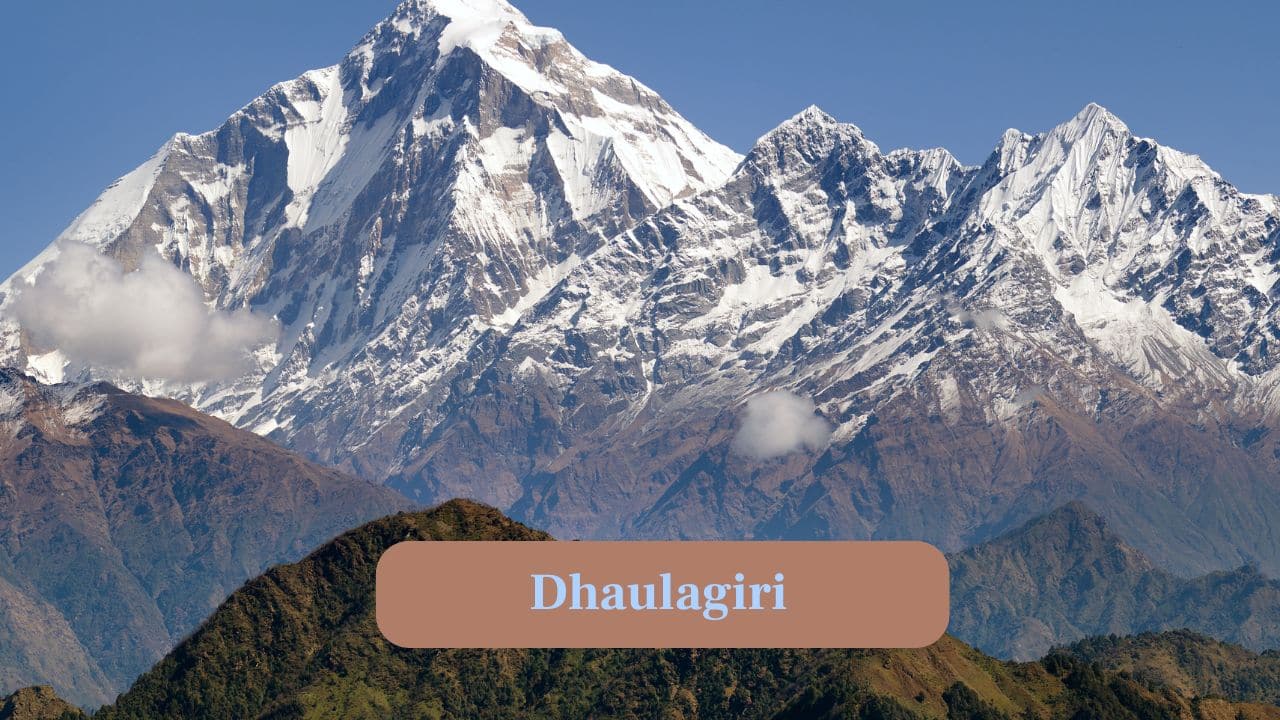
7. Physics of Snow and Ice in Dhaulagiri: Dhaulagiri illustrates avalanche mechanics, snowpack stability and ice deformation, helping scientists model winter hazards and cryospheric dynamics in cold environments. (Image: Canva)
8/10
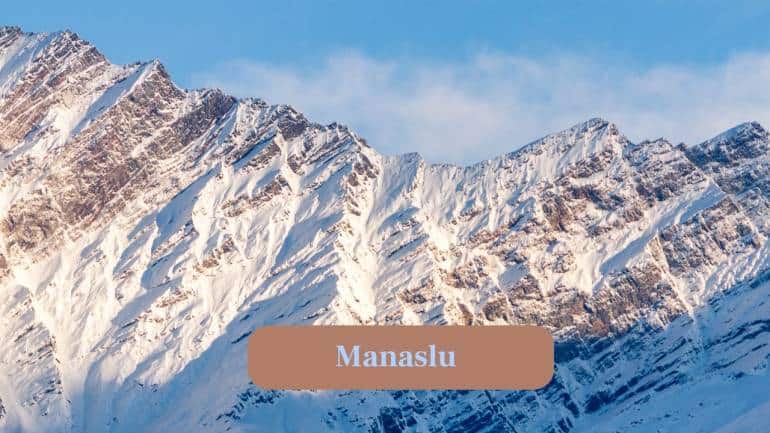
8. Ecological Adaptations of Manaslu: Manaslu supports species with antifreeze proteins, thick insulation and metabolic adaptations, showcasing evolutionary responses to hypoxia, cold and high UV radiation. (Image: Canva)
9/10
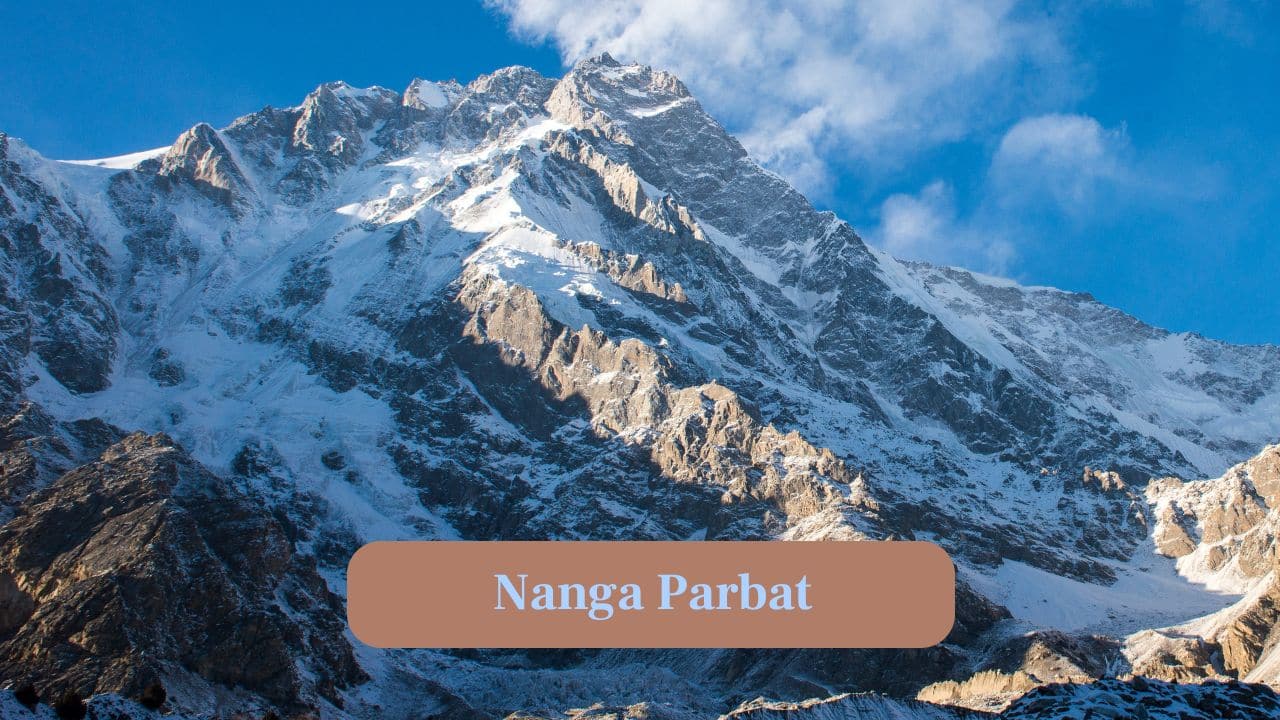
9. Tectonic Forces in Nanga Parbat: Nanga Parbat demonstrates rapid crustal uplift and stress accumulation, offering real-world examples of plate tectonics and seismic energy distribution. (Image: Canva)
10/10
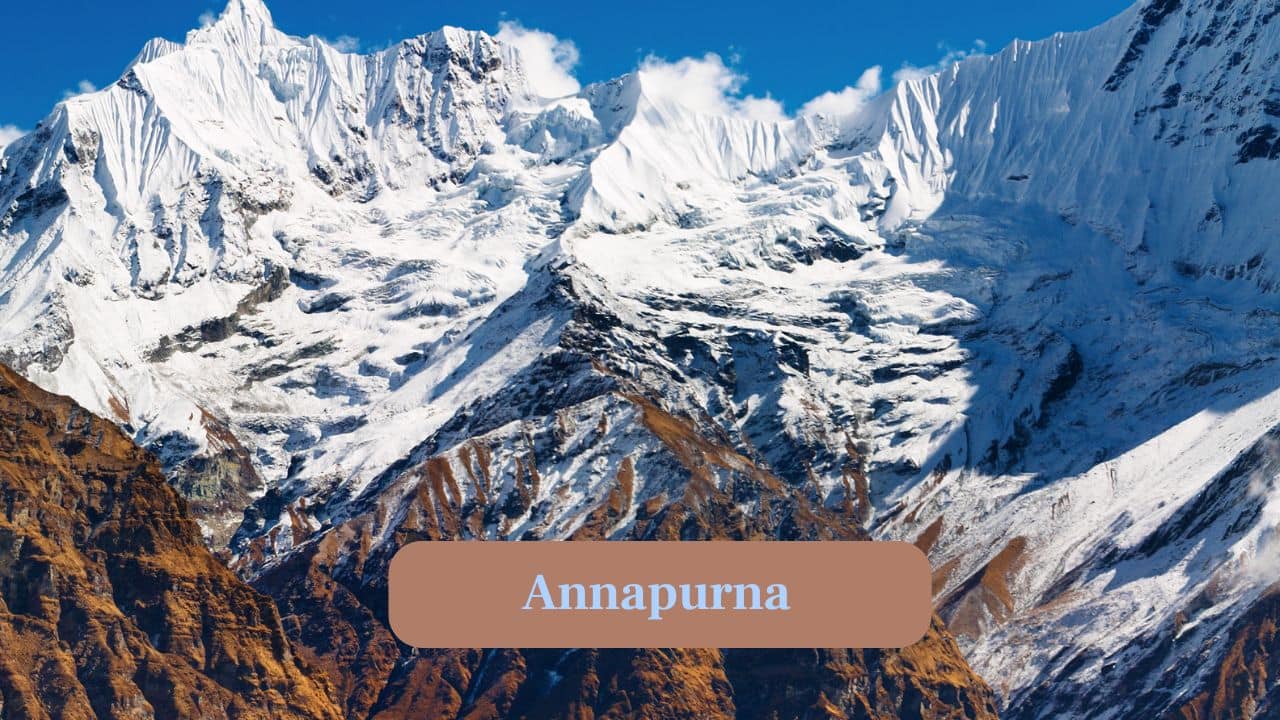
10. Landslides of Annapurna: Avalanche-prone slopes of Annapurna reveal interactions between snow, ice and rock, helping scientists study slope stability, landslide triggers and sediment transport dynamics. (Image: Canva)
Discover the latest Business News, Budget 2025 News, Sensex, and Nifty updates. Obtain Personal Finance insights, tax queries, and expert opinions on Moneycontrol or download the Moneycontrol App to stay updated!



