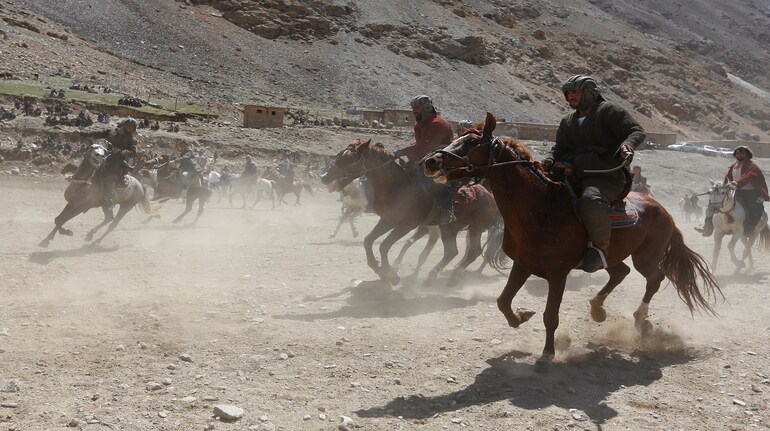
The Taliban has permitted buzkashi, Afghanistan’s national sport, to continue despite previously banning it, drawing thousands of spectators but excluding women, according to The Washington Post.
Buzkashi’s resurgence under the TalibanSince the Taliban’s return to power in 2021, many feared they would outlaw buzkashi, a fast-paced equestrian sport, as they had in the 1990s. However, the game remains popular, with Taliban members among its enthusiastic audience, although Afghan women remain barred from attending.
Hundreds of men recently gathered in Baghlan province to witness professional riders, or pahlawans, fiercely competing to manoeuvre a leather mock goat carcass into the scoring area. The event drew large crowds, who cheered and dodged galloping horses.
Taliban leaders embrace the sportBuzkashi’s continued prominence reflects shifts within the Taliban. Influential figures like Anas Haqqani, the younger brother of the interior minister, acknowledge a personal interest in competitive sports. Haqqani and his comrades once followed European soccer matches on the radio during their insurgency.
The game’s cultural significance also factors into the Taliban’s tolerance. It remains especially popular in northern Afghanistan, a region historically associated with resistance to Taliban rule. Some speculate that allowing buzkashi serves to maintain a connection with communities that might otherwise remain adversarial.
A costly but beloved traditionFor buzkashi enthusiasts like Mohammad Wali Baghlani, a 60-year-old businessman, the sport is an expensive yet vital tradition. Many buzkashi horses are imported from Central Asia and require thousands of dollars annually for maintenance. Despite the costs, owners believe preserving the sport is essential to Afghan identity.
Professional players dedicate themselves to rigorous training and strict diets to maintain peak performance. “We practice and follow a strict diet throughout the summer to stay fit,” said Narbay Pahlawan, a professional buzkashi rider.
An ancient sport facing modern challengesHistorians trace buzkashi’s origins back over a thousand years to nomadic Central Asian tribes. Traditionally, real goat or calf carcasses were used, but lighter leather substitutes are now more common. Enthusiasts argue that the game remains just as thrilling.
Baghlan province, once a key stop on the Silk Road, has long celebrated equestrian culture. During the Soviet invasion of Afghanistan (1979–1989), Afghan fighters rode horses into battle. “Our horses didn’t run away,” Baghlani recalled. “They tried to shield us.”
Buzkashi and Afghanistan’s uncertain futureEven as buzkashi continues to flourish, Afghanistan faces economic turmoil. Widespread poverty worsened following the Taliban’s takeover, as international aid dwindled. The sport, however, provides a welcome distraction for many Afghans.
Climate change now poses another threat. Increasing droughts have turned much of the country’s farmland into barren wastelands, making it harder to sustain livestock. “This region used to have plenty of grass for horses to graze on,” said Baghlani. “Now the soil is drying out.”
Despite these hardships, the enduring popularity of buzkashi demonstrates its deep cultural roots. While Afghanistan grapples with political and environmental challenges, the game remains a powerful symbol of resilience and tradition, The Washington Post concludes.
Discover the latest Business News, Sensex, and Nifty updates. Obtain Personal Finance insights, tax queries, and expert opinions on Moneycontrol or download the Moneycontrol App to stay updated!
Find the best of Al News in one place, specially curated for you every weekend.
Stay on top of the latest tech trends and biggest startup news.