New research has indicated that vitamin D supplementation may contribute to the slowing of biological ageing by protecting DNA structures at the cellular level. The study, carried out by Harvard University and Brigham and Women’s Hospital and published in The American Journal of Clinical Nutrition, examined the impact of vitamin D on telomeres—protective caps found at the ends of chromosomes that shorten naturally with age.
The analysis drew on data from more than 1,000 participants aged 50 years and older who took part in the VITAL randomised controlled trial. Individuals were randomly assigned to receive either 2,000 international units (IU) of vitamin D3 daily or a placebo.
Over a four-year period, the group receiving vitamin D supplementationshowed significantly less telomere shortening than the placebo group. According to the researchers, this reduction in telomere attrition was equivalent to preventing nearly three years of biological ageing. The vitamin D group also displayed reduced levels of inflammation and a lower incidence of autoimmune conditions.
Telomeres, often compared to the plastic tips at the ends of shoelaces, preserve chromosome stability and are considered closely linked to longevity. Shortened telomeres have been associated with a heightened risk of chronic illness, including some cancers and autoimmune disorders.
Dr JoAnn Manson, Professor of Medicine at Harvard, commented that the results reinforced the role of vitamin D in slowing age-related decline. “The findings support the potential of vitamin D in slowing biological ageing and in reducing the burden of chronic conditions that increase with age,” she said.
Lead author Dr Haidong Zhu, a molecular geneticist at the Medical College of Georgia, said targeted supplementation could represent a useful strategy. “Vitamin D supplementation may provide a promising approach to countering ageing processes, though additional research is needed to confirm these effects across wider populations,” he explained.
The recommended daily allowance of vitamin D for adults is generally between 600 and 800 IU. The VITAL trial administered 2,000 IU, which remained within safe limits but was higher than typical dietary guidance. The upper safe limit is considered to be 4,000 IU per day.
Medical professionals cautioned that excessive intake could lead to hypercalcaemia, a condition marked by elevated calcium levels that may cause nausea, kidney complications and other adverse effects.
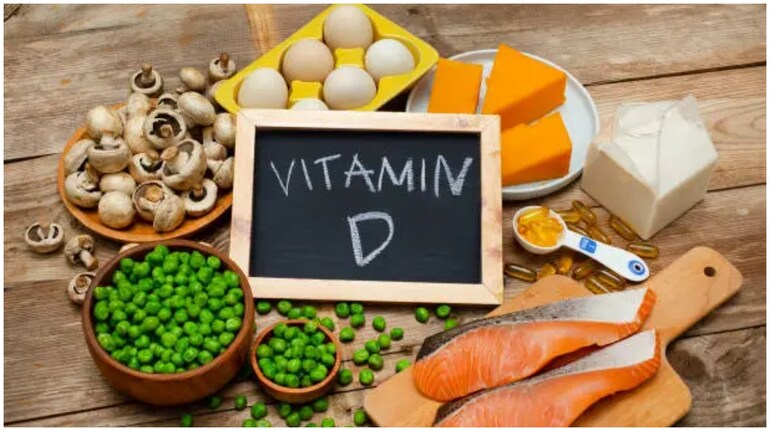
Vitamin D can be obtained through moderate exposure to sunlight, dietary sources such as fatty fish, egg yolks, cod liver oil, fortified dairy products and certain mushrooms, or through supplementation. Experts emphasised that supplementation should be tailored to individual circumstances, including baseline vitamin D levels, age, sun exposure and pre-existing health conditions.
Researchers acknowledged that the study had limitations. The participant group was relatively small, largely white, and the focus was confined to telomere length in white blood cells rather than in multiple cell types. The authors noted that larger and more diverse studies would be necessary to confirm whether vitamin D affects biological ageing across different populations.
They further stressed that lifestyle factors remain essential in preserving telomere length and supporting healthy ageing. Regular physical activity, a balanced diet, adequate rest and stress management were all highlighted as important contributors alongside supplementation.
Disclaimer: The content of this report is provided for general information only and should not be regarded as medical or health advice. Readers are encouraged to consult a qualified professional for guidance on personal health concerns.
Discover the latest Business News, Sensex, and Nifty updates. Obtain Personal Finance insights, tax queries, and expert opinions on Moneycontrol or download the Moneycontrol App to stay updated!
Find the best of Al News in one place, specially curated for you every weekend.
Stay on top of the latest tech trends and biggest startup news.