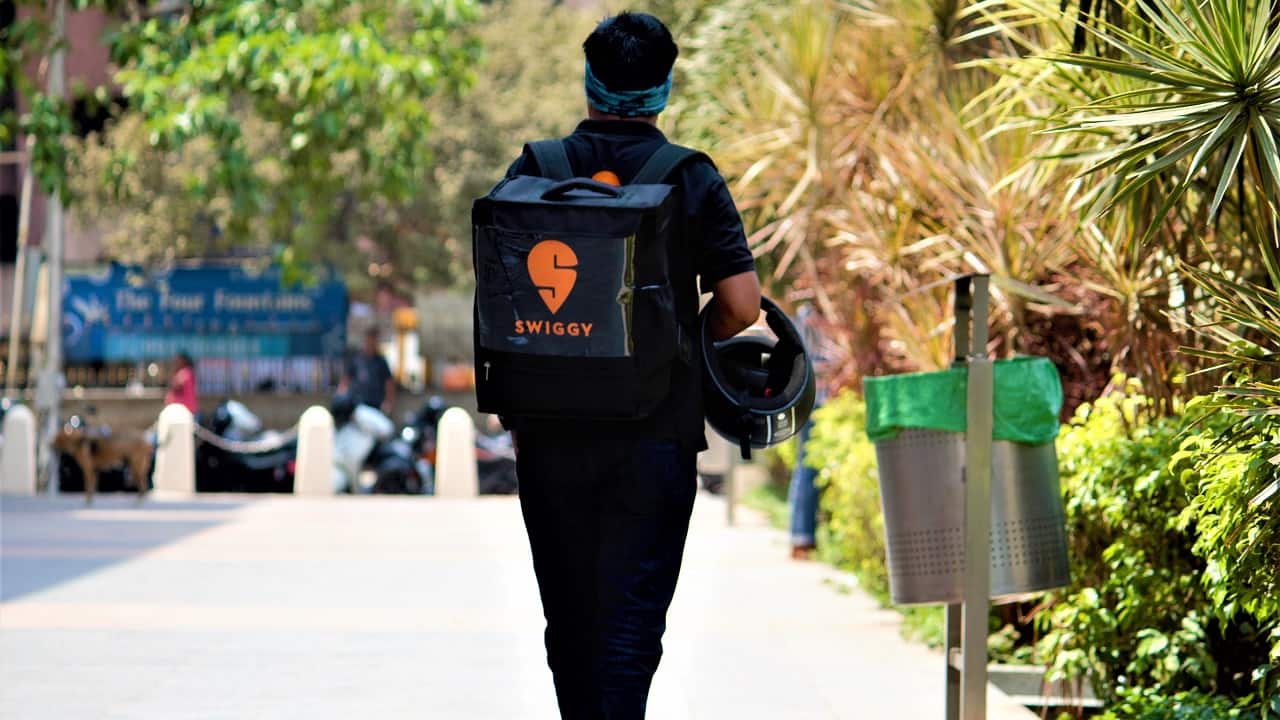
Breaking: US-based asset management company Invesco has slashed food tech and grocery delivery platform Swiggy’s valuation in its books to $8 billion, in another instance of a massive internal markdown by an investor of a high-flying Indian startup.
One important thing: Hotel aggregator Oyo has pre-filed a fresh draft red herring prospectus with the Securities and Exchange Board of India to raise $400-500 million through an initial public offer, sources told us.
In today’s newsletter:
Was this newsletter forwarded to you? You can sign up for Tech3 here
Not too long ago, everyone including investors, founders, and even journalists, were singing praises of India’s edtech sector.
The sector, one of the pandemic’s biggest beneficiaries, was making headlines, almost everyday, for something positive.
But tables turned in 2022 and this year, it seems to be getting even worse. While edtech still is the talk of the town, but for not so good things.
Today, we have two such companies making headlines - one for announcing pay cuts for founders, while the other for reporting a huge loss on little revenue.
Unacademy will be taking a pay cut for founders and senior management folks in FY24 (2023-24), in the company’s latest cost-cutting initiative.
The move comes just a day after the SoftBank-backed company, currently India’s second most-valued edtech, announced 12 percent reduction in its workforce, taking its tally of layoffs to over 1,500.
A net loss of Rs 131.7 crore for an operating revenue of about Rs 80 lakhs.
The Lightspeed-backed company has raised close to $120 million to date, and earned about Rs 12.7 crore as interest on fixed deposits.
Teachmint’s expenses topped Rs 140 crore in its first full year of operations. Go deeper to find more about the company.
Also, since we are talking about lofty valuations, do check out our earlier story on revenue multiples of unicorns
The aftermath of an unsuccessful acquisition deal between two companies can take a toll on employees, real quick.
Just a day after the most anticipated PhonePe and ZestMoney deal fell through, the latter is considering job cuts to survive.
ZestMoney, which currently has 450 employees on its payrolls, is mulling layoffs and its founders are seeking outplacements for the impacted employees.
To be sure, the magnitude of layoffs and other plans to cut costs is not clear, but sources tell us that things are not looking bright.
With back-to-back hurdles such as RBI's stringent regulation around Buy Now Pay Later (BNPL) platforms and an overall global slowdown in BNPL businesses has put ZestMoney in a tough spot.
"The company has to work on a business continuity plan or a survival plan and layoffs will be a part of it. The employees across the organisation will be affected due to this. However the magnitude of the impact is not clear yet," said one of the sources on condition of anonymity.
In November of 2022, PhonePe gave a loan of about $18 million to ZestMoney at a time when the company was evaluating the acquisition.
According to one of the sources, PhonePe might extend a similar loan to the BNPL platform to help the company tide over the immediate liquidity crisis.
With IPL 2023 kicking off today, it's a busy time at Dream11 parent firm Dream Sports. The sports tech firm is now making moves to boost its fintech ambitions.
Dream Sports has launched a mobile payments app DreamX that is powered by Unified Payments Interface (UPI) and Bharat Bill Payment System (BBPS). The app appears to be currently linked to the user's Dream11 account and one cannot sign up on DreamX itself.
For users, this move will significantly expand their choices on how they want to use their winnings, which could also result in them playing more tournaments on the platform.
For Dream Sports, DreamX will help them capture more insights on their consumer's transaction activity and usage patterns. This will help them personalise the entire journey for the user through their different products or services as the company looks to diversify its portfolio beyond fantasy sports.
"The way we look at (our businesses) is similar to someone like an Alphabet. What Alphabet is good at is building a user persona and their preferences based on the data that they have, and then personalising their products across their suite. It's the same thing for us" Dream Sports co-founder Bhavit Sheth told us in an interview in July last year.
The word ‘deepfakes’ has been around for years, but earlier this week, it really caught on when the visuals of Pope Francis wearing a white stylish jacket went viral. Did you also happen to see the visuals of former US president Donald Trump being arrested?
Both images were fake, created on AI image generator Midjourney. Ironically, it also happened just a couple of weeks before April's Fools day.
With the heightened adoption of generative AI – a technology that can generate text, images, sounds and videos based on short commands or prompts from users - it has become super simple for users to make very realistic-looking fake images using tools such as Midjourney, Stable Diffusion and OpenAI's Dall-E.
Due to its simplicity and lax moderation rules, these services are also prone to abuse as Midjourney realised earlier this week and stopped offering free trials of the service. That said, it is still tough for users to differentiate between real visuals and AI-generated ones.
One of the tell-tale signs to detect if the image was fake or not was closely observing people's hands, but AI image generators are apparently getting better at drawing realistic hands as well. This is going to further complicate the problem at hand, especially amid rising misinformation and disinformation across the world.
The history of Elon Musk and OpenAI
This week also saw an interesting revelation about ChatGPT maker OpenAI which likely played a role in the current AI boom: In 2018, Elon Musk wanted to take control of OpenAI (then a non-profit AI research firm) and run it himself because he believed they had fallen behind Google. But, other OpenAI founders including Sam Altman rejected this proposal, as per a Semafor report.
The fallout from this conflict eventually resulted on Musk's exit from OpenAI and him reneging on promised funding, which put pressure on the non-profit that was already facing mounting bills in training AI models.
The result? OpenAI created a for profit entity and raised financing from Microsoft. OpenAI is currently spearheading the adoption of generative AI across the world, with ChatGPT considered to be the world's fastest-growing consumer application in history with a reported user base of over 100 million monthly active users.
More from the world of AI:
(Image credit:Pablo Xavier/Midjourney)
Come April 1, the new financial year will be upon us. It’s time for new beginnings, taking stock of your moneybox, doing a thorough review and planning for the year ahead.
We have prepared an annual personal finance calendar. Hopefully, that will help you keep your dates with all things money including taxes, financial planning, and teaching your kids money
Today marks the beginning of a two-month-long cricket festival, also known as the IPL. So most of you are probably glued into the inaugural match between Chennai Super Kings and Gujarat Titans.
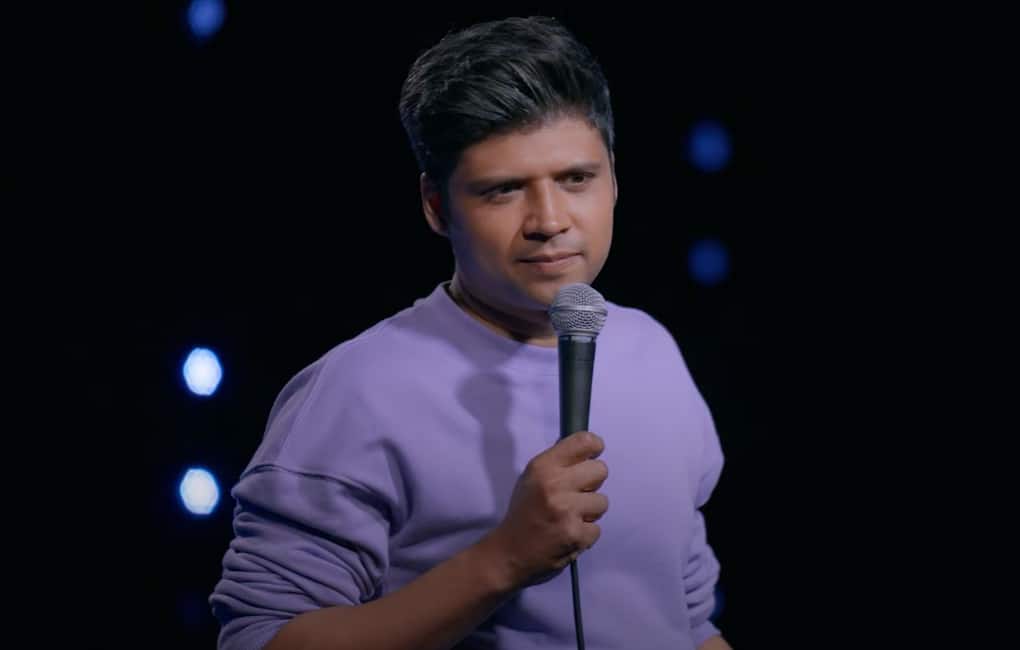
But if you are not in the mood for cricket, we recommend watching comedian Rahul Subramanian’s latest comedy special “Rahul Talks to People”
The hour-long show is a compilation of Subramanian’s impromptu interactions with audiences across five Indian cities. So, expect his jibes at corporate culture, cricket umpiring, and stressful jobs.