One quick thing: India was among the top four countries to send content removal & user data requests to Twitter in H1 2022. Find out more
In today’s newsletter:
- The chaos in online gaming sector
- ONDC’s daily retail orders zoom to 5,000
- India Inc braces for Covid surge
Was this newsletter forwarded to you? You can sign up for Tech3 here
 Top 3 stories
The chaos in online gaming sector

It's a day of chaos and turmoil in the gaming sector, featuring the biggest players, both in India and across the world.
Driving the news
The Delhi High Court dismissed an interim injunction plea filed by Dream Sports-backed cricket non-fungible token (NFT) platform Rario, which sought to prevent rival Mobile Premier League (MPL) and Web3 fantasy sports platform Striker from offering fantasy sports via NFT player cards.
- Rario also operates a strategy game D3, which allows users to create squads with player cards and compete in contests, similar to what Striker offers
Catch up quick
In February 2023, Rario alleged that Striker's player caricatures and use of player names and surnames infringe on the personality rights that it has licensed exclusively from certain cricketers.
- Skill gaming industry body All India Gaming Federation (AIGF) and social gaming platform WinZO later joined this petition in March 2023, claiming that the decision could have industry-wide ramifications
What did the court say?
Justice Amit Bansal, in his judgement, said that there is no difference between online fantasy sports (OFS) with NFT-enabled player cards and regular OFS games in terms of the use of a player's name or artistic impression/photograph. Rario also cannot claim exclusive rights to the use of a freely available NFT technology. Read more.
Tamil Nadu vs skill gaming firms
In another key development, the AIGF has moved the Madras High Court challenging the Tamil Nadu government's online gambling law, which went into effect on April 21.
The law banned online rummy and poker in the state, classifying them as online games of chance and thus bringing them under the purview of online gambling.
“We have challenged the constitutionality of the law. It disregards over six decades of established legal jurisprudence and seems to be based on a completely wrong understating of technology,” said AIGF CEO Roland Landers.
UK blocks Microsoft's Activision deal
Microsoft's $69 billion bid to acquire Activision Blizzard has hit a major roadblock as the UK's antitrust watchdog vetoed the purchase over concerns that it may damage competition in the cloud gaming market.
ONDC’s daily retail orders zoom to 5,000

India's interoperable e-commerce network is on a 0-1 journey that has caught the world's attention. After almost a year since its first pilot, the network has now crossed 5,000 food and grocery orders per day.
- Open Network for Digital Commerce (ONDC) saw a 25X growth of daily orders in the retail category in just two months
This growth is in addition to the 25,000 daily rides on the mobility platform Namma Yatri, which recently became part of the network.
Behind the scenes
ONDC chief T Koshy noted that while Bengaluru typically had the most orders on the network, Delhi occasionally outpaced the tech hub. He also mentioned that ONDC achieved 6,000 retail orders in a day last weekend.
- The growth can be attributed to two factors — ONDC's discounts of Rs 50 per order in the retail category and the recently announced incentive scheme for seller-side platforms to onboard more merchants
ONDC's merchant base has experienced a significant uptick, with the current count reaching 85,000, up from just 800 in December. Of this total, 31,000 sellers operate in categories other than mobility, including food, grocery, home decor, and electronics.
Do read our explainer on ONDC
India Inc braces for Covid surge

With the recent spike in new Covid cases in India, it is clear that the pandemic is far from over.
As a result, India Inc, which brought its employees back to the office around the same time last year, is now taking all possible measures to ensure the safe continuation of offline operations.
Early measures
On April 13, the number of new Covid-19 cases in a 24-hour period surpassed 10,000, rising from 1,000 in just under four weeks.
In response, companies like IBM, Tech Mahindra, and Growth School are taking proactive measures to prepare for any possible escalation of the situation. Here's what they are doing:
- Allowing only vaccinated employees into offices
- Sponsoring booster doses
- Arranging oxygen cylinders and concentrators
- Deploying response teams at office sites
More advice than mandate
Most businesses believe that employees can only be advised to wear masks, get vaccinated, and get booster shots because these are matters of 'personal choice.'
“...Wearing a mask is now passé and since our employees are vaccinated, it may not be wise to force them into something which is a personal choice…,” upGrad’s CHRO Saurabh Deep Singla said.
Remote work off the table?
Companies are currently adopting a "wait-and-watch" strategy and not making changes to their work arrangements, according to Foundit CEO Chandra Sekhar Garisa.
- Many companies are open to reconsidering remote work if the situation worsens.
Go deeper
MC Special: Startups electrify intercity bus travel

Indian startups are launching eco-friendly electric buses on intercity routes, taking advantage of permit exemptions for e-buses.
Here’s how it is bringing change:
- Emission and noise-free commuting option for intercity bus travel
- Lower operational and maintenance costs
Exemptions granted to e-buses could also encourage more players to enter the inter-city passenger transport segment, leading to increased competition and better services for passengers.
Additionally, the expansion of highways is expected to decrease travel time for buses, making them a more appealing option for passengers.
Go deeper
Today in tech history: Chernobyl virus strikes
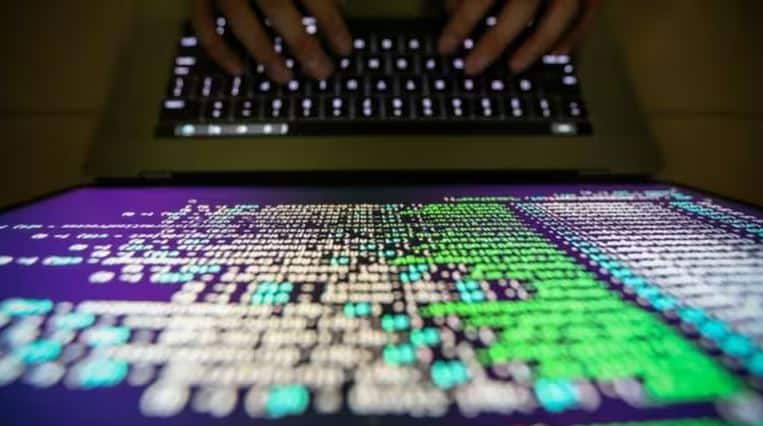
The world was thrown into chaos on April 26, 1999, when the CIH/Chernobyl virus triggered its payload, resulting in widespread damage to computer systems and data loss.
Quick trivia: The virus, the first known virus to target the flash BIOS of a PC, had been created a year earlier by a Taiwanese student Chen Ing-hau and was named after his initials.
However, due to its activation date coinciding with the anniversary of the Chernobyl disaster, the media dubbed it the Chernobyl virus, though there is no evidence to suggest this was intentional.





 PREVIOUS
 Tweet of the day
 QUICK HITS
 GLOBAL PICKS