Just In: Pine Labs swings back to profit in its first post-listing results.
One quick thing: Ola hits brakes on food delivery, again!
In today’s newsletter:
- Govt drops mandatory Sanchar Saathi pre-installation
- Meesho's Valmo edges past Delhivery in order volumes
- Yogi's semicon push: Highlights from UP Tech Next Summit
Also, ever wondered what you watched on YouTube the most this year? Scroll below for the deets!
P.S.: Tune into Tech3 Podcast, your daily dose of tech and startup insights. Monday to Friday! Check it out on Spotify or Apple Podcasts. And don’t forget to sign up to The AI Edge, our weekly newsletter on all things artificial intelligence.
Was this newsletter forwarded to you? You can sign up for Tech3 here
 Top 3 Stories
Govt drops mandatory Sanchar Saathi pre-installation
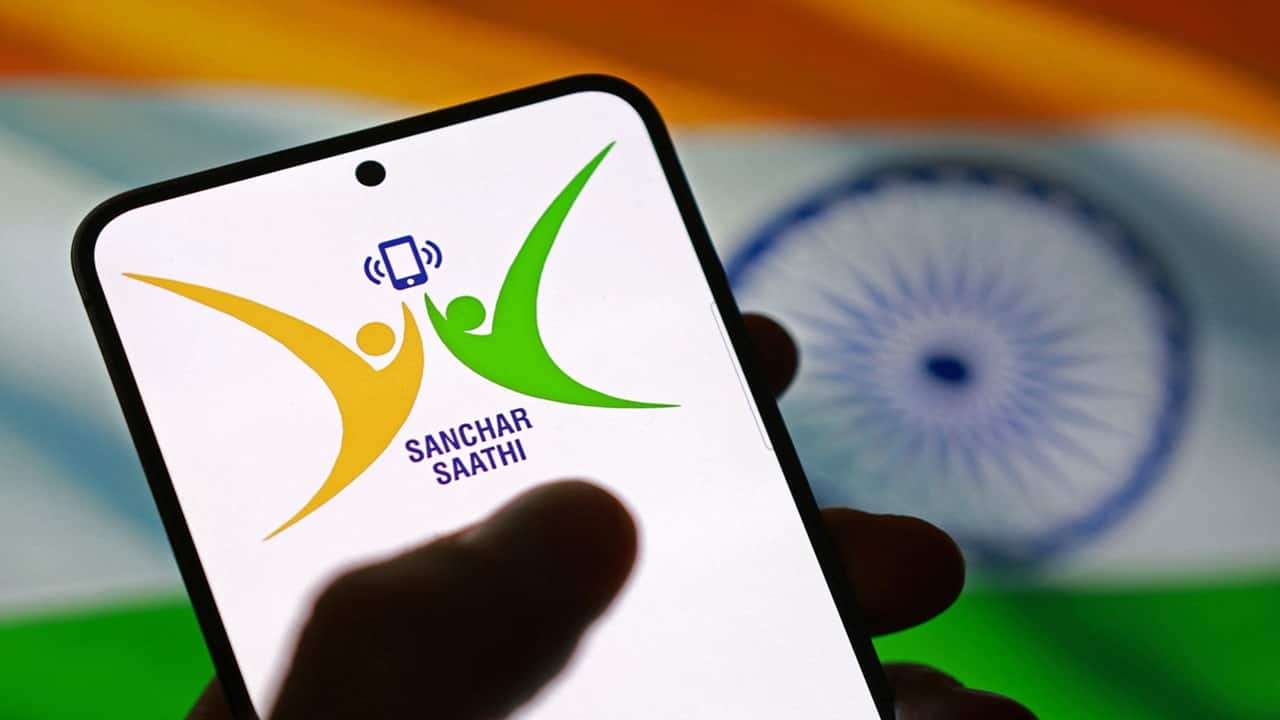
The controversy was instant, the backlash was fierce, and the rollback is now official
Driving the news
The Indian government has dropped its plan to mandate pre-installation of the Sanchar Saathi cybersecurity app on all new smartphones.
- The original goal behind the directive was to give all citizens easy access to cyber security tools, the government said.
However, the mandate was no longer necessary since the app was already witnessing a sharp rise in citizen uptake and daily fraud reporting, it said.
How quick is the user adoption?
The government stated that about 1.4 crore users have downloaded the app and are contributing to information on 2000 fraud incidents per day.
- In just one day, 6 lakh citizens have downloaded the app, marking a 10x spike.
Catch up quick
Last week, the DoT directed all smartphone makers to preinstall Sanchar Saathi on every new device sold in India and push it to existing devices through a mandatory software update.
- Smartphone makers were given three months to include the app in the new devices.
The move was expected to trigger a fresh showdown with Apple, which has historically resisted such directives.
- Apple has previously clashed with India’s telecom regulator over a government-developed anti-spam app.
Privacy fears?
The move had also triggered fresh alarm among public-policy experts and digital rights advocates, who argued that the mandate is disproportionate, opaque and risks normalising surveillance.
The government however countered this criticism, asserting that the mandate carries no privacy or surveillance risks.
"The app is secure and purely meant to help citizens from bad actors in the cyber world," it said.
Meesho's Valmo edges past Delhivery in order volumes

If you assumed Meesho’s Valmo only enabled deliveries, think again. It is actually a full fledged logistics business.
Driving the news
Valmo is now delivering more e-commerce parcels than Delhivery, the largest logistics player in the country.
Valmo handled 399.7 million orders in Q2FY26 vs Delhivery’s 246 million shipments (Express Parcel shipment volumes) during the same period, filings showed.
- In Q1FY26, Delhivery shipped 208 million Express Parcel shipments, compared to Meesho’s Valmo which shipped 295.72 million shipments in the same quarter.
Valmo now fulfills 65% of Meesho’s total volumes, an increase from a 50% share earlier. This share should only increase if Meesho wishes to stay lean and affordable.
“For Meesho, the low-cost marketplace model only works with Valmo — without it, their logistics costs would shoot up,” Satish Meena, founder of e-commerce consultancy Datum Intelligence, told us.
IPO subscribed!
Meanwhile, Meesho’s IPO opened today and was subscribed 2X by the end of day one, signalling strong demand for the issue.
- The IPO values Meesho at Rs 50,096 crore or around $5.96 billion
Yes, but…
Sources told us Meesho’s management decided to allot about 25% of the anchor book to just one mutual fund house: SBI Mutual Fund, the largest in the country.
While this does signal commitment, these negotiations and decisions are typically taken by the merchant bankers and not the management team of a company.
- Other MFs, like ICICI Prudential MF, and investors were unhappy about the preferential treatment SBI MF received from Meesho, instead of an uniform distribution
While some bridges were burnt, SBI MF, sources said, has committed to fully building the book and support in the longer term.
Read how the rules are being rewritten
Yogi's semicon push: Highlights from UP Tech Next Summit
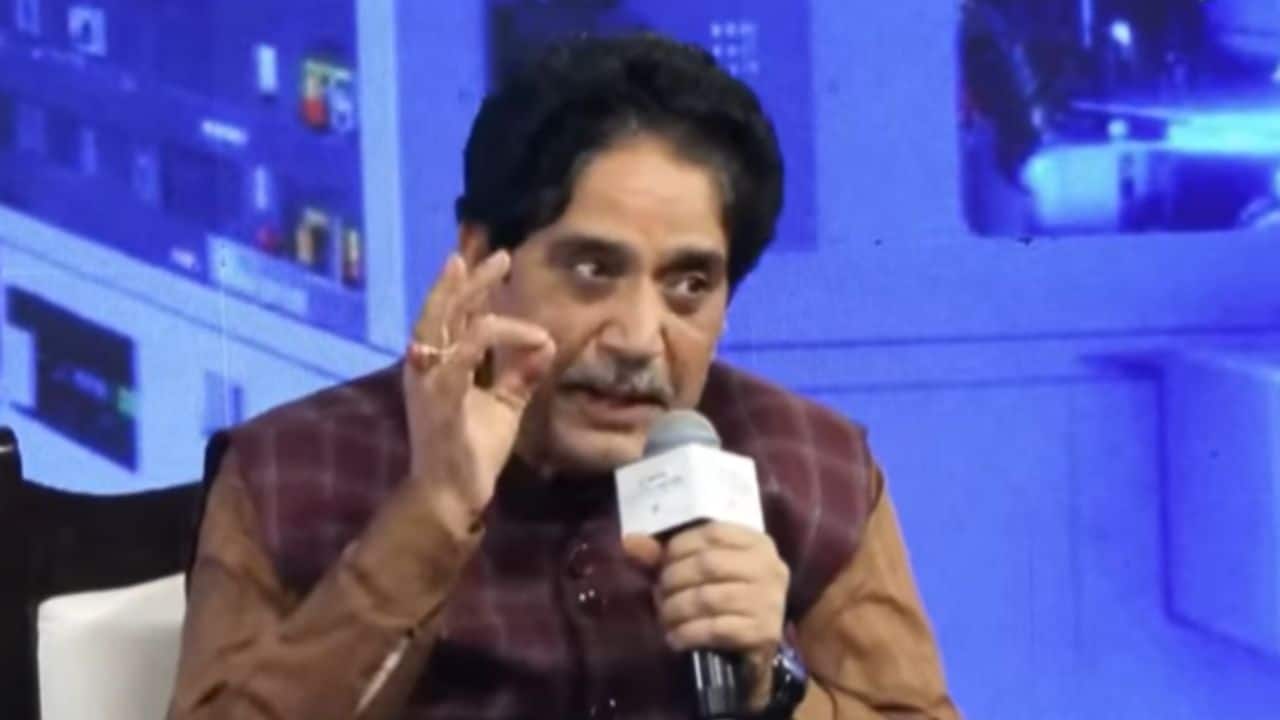
When India’s chip dreams meet UP’s big pitch, the voltage suddenly rises.
Driving the news
Uttar Pradesh signalled it wants to be the hotspot in India’s semiconductor map, with IT and electronics minister Sunil Kumar Sharma announcing that the HCL-Foxconn joint venture is expected to go live by 2027-28.
- Speaking at the UP Tech Next Electronics and Semiconductor Summit in Lucknow, organised by CNBC-TV18 and Moneycontrol, Sharma told us the state has already allotted land and is putting 60% capital support behind the venture.
Sharma said investors once stayed away because of law-and-order concerns, but the narrative has flipped.
“Earlier UP had one district-one mafia, now it has one district-one product,” he said, adding that no investor can be troubled under the Yogi Adityanath government.
ISM 2.0
The Centre is also resetting the national playbook.
Sushil Pal, joint secretary at MeitY, said India Semiconductor Mission 2.0 will shift from a fab-first approach to a full-stack strategy covering chips, modules, design, and R&D.
- Pal said the sector needs sustained, long-term support, not one-off commitments
- He argued that mature nodes shouldn’t be dismissed as outdated because they make up most of global chip volume.
ISM 2.0, he said, is designed to capture this demand while building deeper domestic capabilities.
India's talent opportunity
But shiny fabs and subsidies won’t run without the people who actually build chips.
“We have so many technical universities. In Uttar Pradesh alone, there are more than 400 colleges,” said Ashok Chandak, President of the India Electronics and Semiconductor Association (IESA).
- Chandak added that IESA is already in talks with institutes to rewire how semiconductor education is delivered.
The big picture
In a sector where nanometres decide winners, India’s edge may come from three macro pillars: talent, R&D, and startups.
- Panelists from Analog Devices, Micron India, and Kaynes Semicon agreed that India’s semiconductor rise will depend less on building “the next big fab” and more on building “the next big brain trust” that powers design, research, and innovation.
- UP may be making the loudest pitch today, but India’s semiconductor story will ultimately hinge on whether the ecosystem can align skill, science, and fragmented innovation into a single, scalable force.
More stories from UP Tech Next Electronics and Semiconductor Summit:
Prefer video? Check out the entire live stream



 PREVIOUS
 QUICK HITS
 GLOBAL PICKS


