


co-presented by
ASSOCIATE SPONSORS
co-presented by


ASSOCIATE SPONSORS


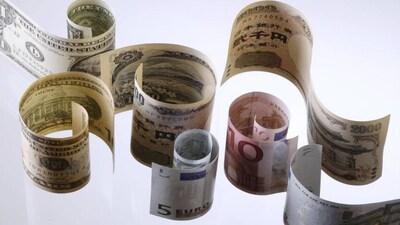
Japan's yen has pulled back from critical levels after intervention warnings, but analysts warn the relief may be temporary as underlying pressures persist.

As the yen carry trade unwinds, foreign investors withdraw funds from riskier emerging markets. An appreciating yen and portfolio outflows have already put downward pressure on the rupee

For equity investors, a big risk comes from a shift in global sentiment: sudden volatility in Japan often prompts investors to de-risk across emerging markets such as India even when fundamentals are unchanged.

According to Bloomberg data, the rupee has weakened by 13.6 percent against the Euro, 9.3 percent against the Pound, and 8.4 percent against the Yen. In contrast, it has declined only 2.73 percent against the US dollar year-to-date.

From falling oil prices after Israel's retaliatory strike on Iran to Eli Lilly’s weight-loss drug launch in Hong Kong, here’s a look at recent business developments across the world.

On Friday, the Yen had gained for a fourth day in a row to touch 140.29 per USD, its highest since the end of December.

The Japanese Yen is not the only concern troubling the market. Disappointing economic data from the US and the growing risk of further escalation in the Middle East compound the issues

From Microsoft's investment in France, Open AI's ChatGPT update to Indeed layoffs and Walmart job cuts, here's a look at recent business developments around the world.

From China's slower non-manufacturing activity expansion to the Yen slumping to 1990-levels, there's a lot happening around the world. Here's a look at some major developments.

MSCI index of Asia-Pacific shares ex-Japan fell 1.4%, while Japan's Nikkei ended lower by 1.6%. Shares across Europe have extended their fall and Dow futures is trading lower on Tuesday.
The weakening of the Yen, especially to a 34-year low, can have significant impacts on various sectors in India, particularly the automotive industry

From Adani to Finfluencers, portfolio bond to the Japanese Yen, what made the headlines this year

As BoJ’s announcement of loosening grip on yields pulls down the Yen’s gains, market expert Balanco sees a correction happening across risk assets if the Yen goes below key support levels.

The U.S. economy grew faster than expected in the second quarter as labor market resilience underpinned consumer spending, while businesses boosted investment in equipment, potentially keeping a recession at bay.

Investors should be prepared for extreme volatility, if the central banks are unable to engineer a so-called "soft landing" for the global economy

The Dollar index gave away gains for the first time after three consecutive daily advances, coming under some selling pressure and closing the week at 99.26.

On Monday, speaking on the sidelines of the G7 summit of world leaders in France, Trump said Chinese officials had contacted US trade counterparts overnight and offered to return to the negotiating table.

CFTC: Speculators More Bullish on Stocks, Gold, Oil, Japanese Yen, CAD

The brokerage believes positive earnings surprise is unlikely, given the sharp appreciation of Japanese yen against Indian rupee and capacity constraints.

RC Bhargava, Chairman, Maruti Suzuki is not overly worried about the impact of stronger yen because the company has reduced its dependence on yen in the last two quarters, adding that for all the new models the royalty is also rupee denominated.

However, Yen is holding up quite well in the current environment, but concerns loom over Japan if it becomes too strong that will eventually give rise to intervention in the currency, says Paul Mackel of HSBC in an interview to CNBC-TV18.

The Indian rupee has started off last day of the week on a positive note, rising to 66.48 a dollar compared to 66.52 per dollar in previous session.
In last three months, Maruti shares lost 15 percent. Analysts say every 10 percent appreciation in yen have 200 basis points negative impact on company margins.
CLSA likes Maruti on a 2-3-year view given its strong franchise, product cycle and likelihood of a strong demand revival but expects modest stock returns on a 12-month view.

The Carriage by Air (Amendment) Bill was passed in Lok Sabha on December 2015 and by the Rajya Sabha, with certain amendments, on March 2.


