-
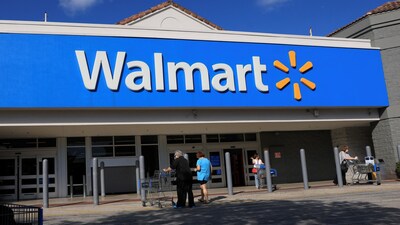
Major US companies such as FedEx, Walmart and Verizon have found themselves at the centre of racist attacks targeting Indian executives and employees.
-

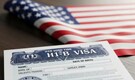
The warning comes at a time when thousands of Indian nationals are already facing uncertainty due to prolonged delays in visa appointments, particularly for H-1B and H-4 work and dependent visas.
-
Nalin Haley’s comments are part of a broader campaign against the H-1B programme. He has repeatedly called for a complete ban, arguing that delays are insufficient.
-
The language and tone of the post were widely criticised by users, with several calling it a thinly veiled threat against Indians rather than a warning.
-
The move comes amid a broader immigration crackdown under the Trump administration that has targeted both legal and illegal migration, including tighter visa scrutiny and sharply higher costs for employers.
-
Visa interviews scheduled between December 15 and December 26 were abruptly cancelled across multiple US missions in India. Many applicants later discovered that their rescheduled appointments had been pushed to mid-2026, with some cases reportedly moved as far as 2027.
-
Interviews scheduled between December 15 and December 26 were cancelled or deferred with little warning, leaving applicants stranded after their visas expired.
-
The advisory follows a decision by the United States last week to widen social media and online presence checks for all H-1B and H-4 visa applicants worldwide.
-
Siddiqui’s comments come amid a broader shift in US H-1B policy that has created uncertainty for applicants and holders.
-
The latest disruptions come after a series of visa-related challenges for Indians. Earlier this year, delays in F-1 student visa processing affected college admission timelines. More recently, proposals to raise work visa fees unsettled the H-1B community.
-
The move comes at a time of heated political debate over immigration and jobs. The Trump team has repeatedly argued that American workers should not be displaced by cheaper foreign labour.
-
This signals a stronger focus on enforcement and tighter controls, with the aim of making sure OPT serves its original purpose rather than becoming a backdoor work visa route.
-
US Visa Bulletin December 2025: These changes mean that a larger number of Indian professionals and investors now fall within the updated cutoff dates and can take the next step toward obtaining a green card.
-
For thousands of Indian tech workers in the US on H-1B visas, the Canadian offer could become more than just an option: it could be a lifeline.
-
The report recommends auctioning EB-5 green cards and allocating H-1B visas based on the salaries employers offer, adjusted for local cost of living and the applicant's age.
-
The combination of higher fees, stricter eligibility criteria, and increased oversight is likely to make the process significantly harder for both applicants and employers.
-
Raghu’s wife, Alhley Mays, described the ordeal as emotionally and financially crushing. The couple married in April and have since exhausted their savings, which were meant for a new home.
-
For Indian professionals, students, and travelers, the message is clear: expect delays, particularly in H-1B and employment-based processes, until Washington finds a way out of its funding deadlock.
-
Lawmakers argue that H-1B and L-1 schemes, meant to fill shortages, are being used to replace Americans with cheaper foreign labour.
-
The US Citizenship and Immigration Services (USCIS) says the goal is to “restore integrity” to the system, but critics argue the rhetoric around these changes unfairly casts doubt on immigrants’ intentions.
-
The executive order, signed by Trump last week, marks a dramatic increase from the previous H-1B application fees that ranged between $215 and $5,000 depending on company size.
-
Indians are by far the largest users of the H-1B route, and the steep fee is casting a shadow over thousands of professionals and graduates planning to work in America.
-
For years, critics in the US who oppose immigration have attacked the H-1B system, arguing that it takes away American jobs. Now, the Trump administration is signalling that it is ready to follow through.
-
The Trump administration has argued that the change is needed to prevent student visa overstays, a concern that has often been cited in Republican immigration debates.
-
The Bill is the centerpiece of Trump's domestic policy agenda that could define his second term in the White House.