


co-presented by
ASSOCIATE SPONSORS
co-presented by


ASSOCIATE SPONSORS




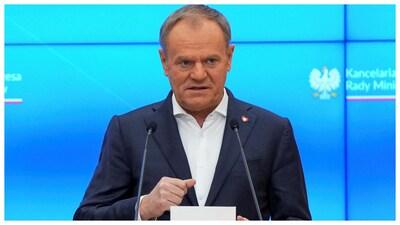
Europe is dramatically stepping up spending on defence because of concern that the United States, which had guaranteed Europe's security since the end of World War Two, was no longer keen to do so, shifting its attention to the Indo-Pacific.
Security officials have said that parcels that exploded at logistics depots in Europe were part of a test run for a Russian plot to trigger explosions on cargo flights to the United States. The explosions occurred in depots in Britain, Germany and Poland in July.
Tusk said Warsaw would be heavily involved in any talks when it takes up the European Union's rotating presidency on January 1.
The countries vowed to significantly expand bilateral defence and security ties, with Tusk expressing Warsaw's eagerness to be a key partner in New Delhi's aim to boost domestic defence production and modernise its armed forces.
Donald Tusk told the European Parliament that he was discussing Prime Minister Boris Johnson's request for a Brexit delay beyond October 31 with the leaders of the other 27 member states and would make a decision 'in the coming days'.

Tusk said the "pro-Brexit stance" of May and opposition leader Jeremy Corbyn meant that "today, there is no political force and no effective leadership for remain".
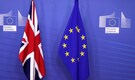
The draft declaration was agreed upon at a technical level by negotiators and endorsed on November 22 by the European Commission, the EU's executive arm which is overseeing Brexit negotiations.

Tusk's announcement will come as a boost to British Prime Minister Theresa May as she begins the daunting task of selling the deal to a fractious parliament where she faces resistance from arch Brexiteers and EU supporters alike.
Briefing lawmakers on last week's regular summit, Tusk recalled that EU leaders had agreed that they would meet again to endorse a deal if their negotiator Michel Barnier judged that enough progress toward a deal had been made. A meeting pencilled in for Nov. 17-18 is still on hold.
In a letter to members of the European Council, Tusk said that while he encouraged all involved to "remain hopeful and determined... at the same time, responsible as we are, we must prepare the EU for a no-deal scenario, which is more likely than ever before".
After two days of talks in the Austrian city of Salzburg, Tusk told reporters that European Union leaders believe May's so-called Chequers plan for Brexit would undermine the bloc's single market.
Tusk also stressed the need to find a solution on the thorny issue of Ireland's border with British Northern Ireland after Brexit, "so as to be sure that there will be no hard border in the future.

Tusk spoke after meeting with Chinese Premier Li Keqiang as part of an annual EU-China summit that opened against the backdrop of the growing China-US economic confrontation and wider global trade discord.

Tusk said the EU must be more united than ever before to deal with what he called Trump's "capricious assertiveness".
There has been only a day of top-level talks between the two lead negotiators since a mid-October summit that dismissed May's call for immediate talks on a future trade agreement.
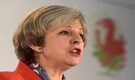
European Council President Donald Tusk met Britain's leader for talks today about the UK's departure from the EU, a day after the European Parliament laid out tough guidelines for the divorce negotiations.
Sterling hit the day's high on Wednesday in volatile trade while shares in British companies slipped after British Prime Minister Theresa May and European Council President Donald Tusk said Britain had formally triggered its divorce from the EU.

Poland refused to approve some summit texts, raising unease at a time when the EU is looking for unity as the crisis-prone bloc is faced with the painful departure of Britain.

Prime Minister Theresa May has promised to trigger Article 50 of the Treaty of the European Union -- the divorce notification clause -- by the end of March.

Prime Minister Charles Michel hosted talks from early on Tuesday of regional authorities, including of Wallonia and Brussels that have rejected an accord backed by all 27 other EU governments.

Former Polish premier Tusk added that the bloc must be less "politically correct" and protect Europeans worried about terrorism, security and globalisation in the wake of Britain's vote to leave.

European leaders met on June 29 to discuss life without Britain for the first time in 40 years after the Brexit bombshell, as the race began to succeed Prime Minister David Cameron

Tsipras' office yesterday said the leftist premier had asked EU President Donald Tusk to call a summit to help facilitate negotiations with the debt-ridden country's creditors.

On Thursday, European leader tried a different tack, warning economic migrants not to even attempt to come to Europe.
The European Union's two top figures, Donald Tusk and Jean-Claude Juncker, presented its 28 leaders with draft proposals at a long-delayed dinner after hours of painstaking face-to-face talks on an issue that threatened Britain's place in the union.


