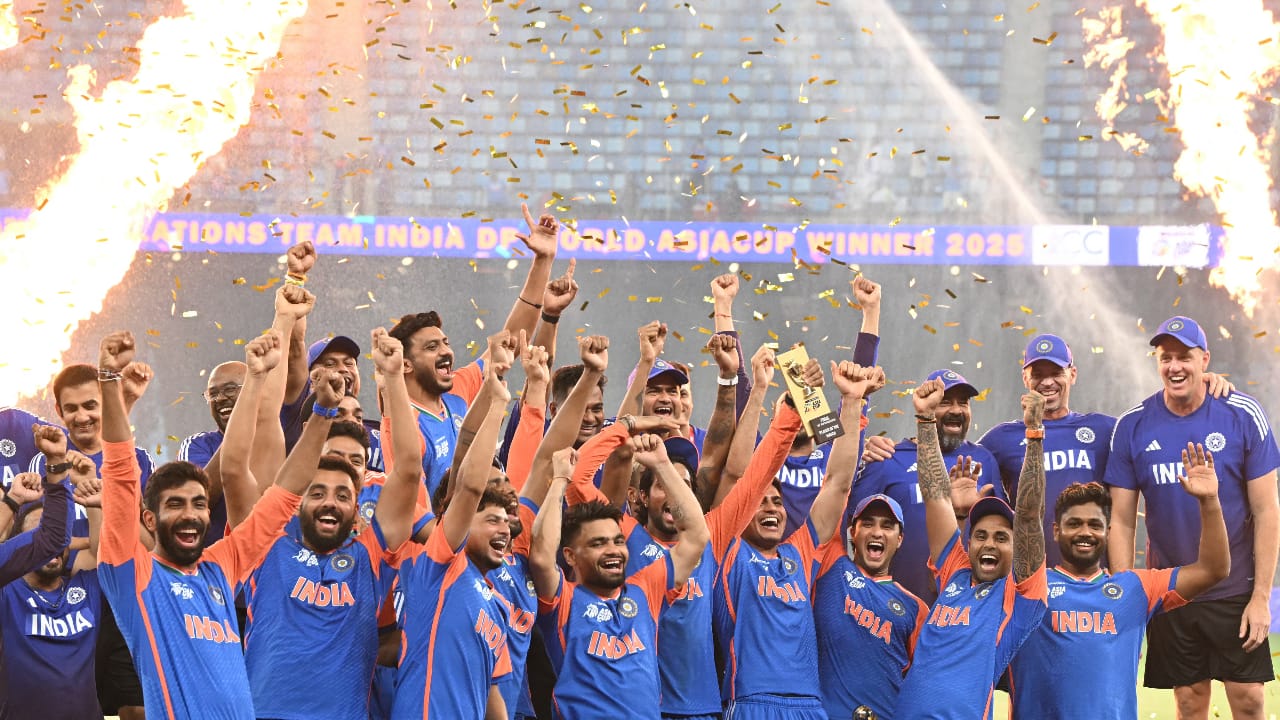
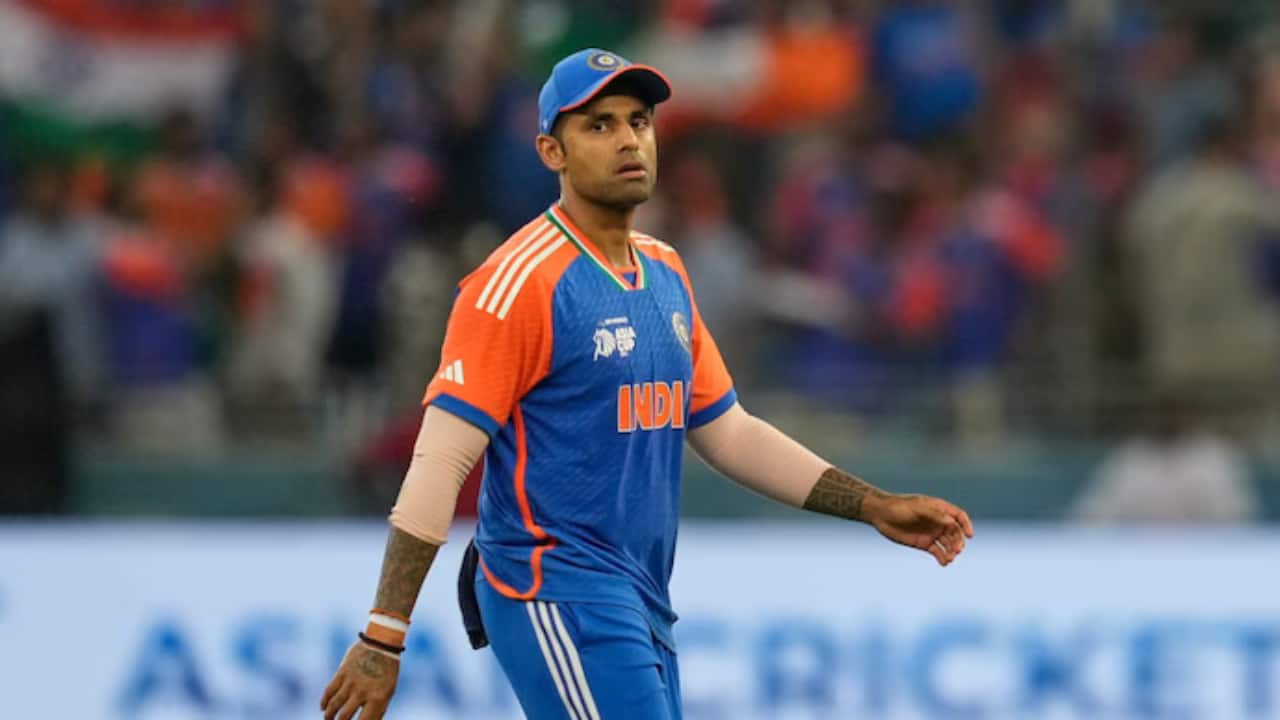
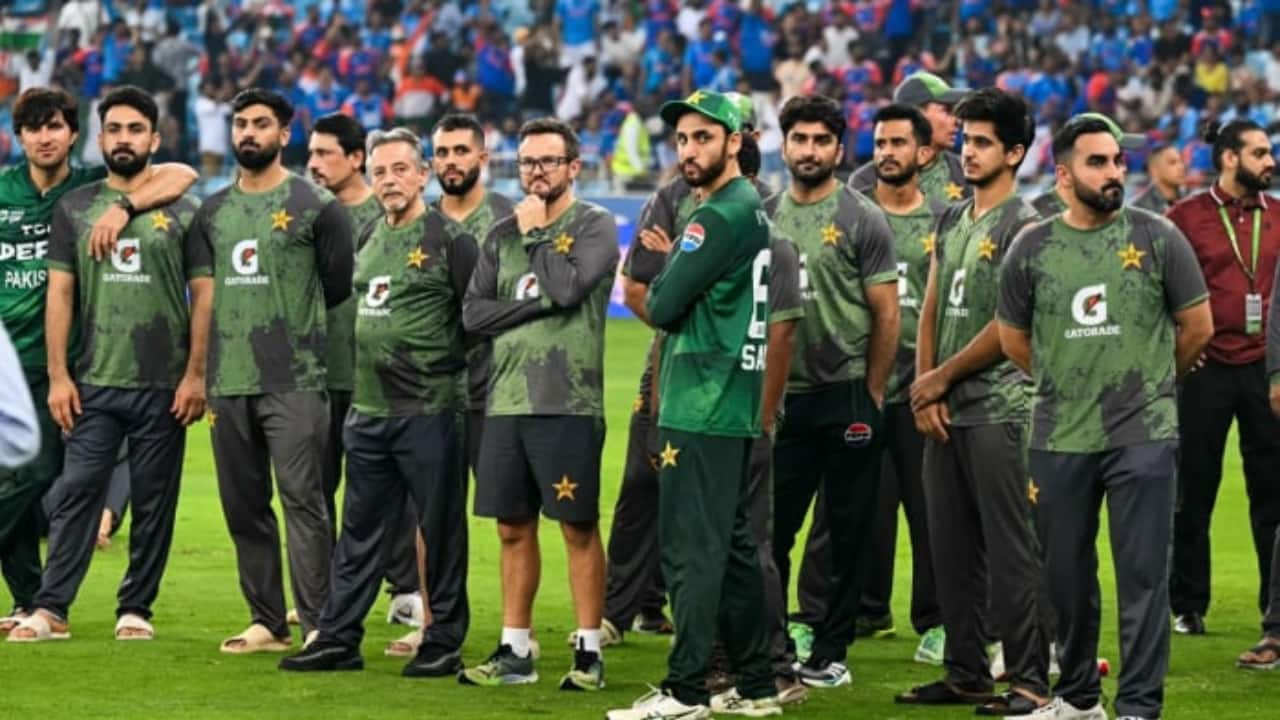
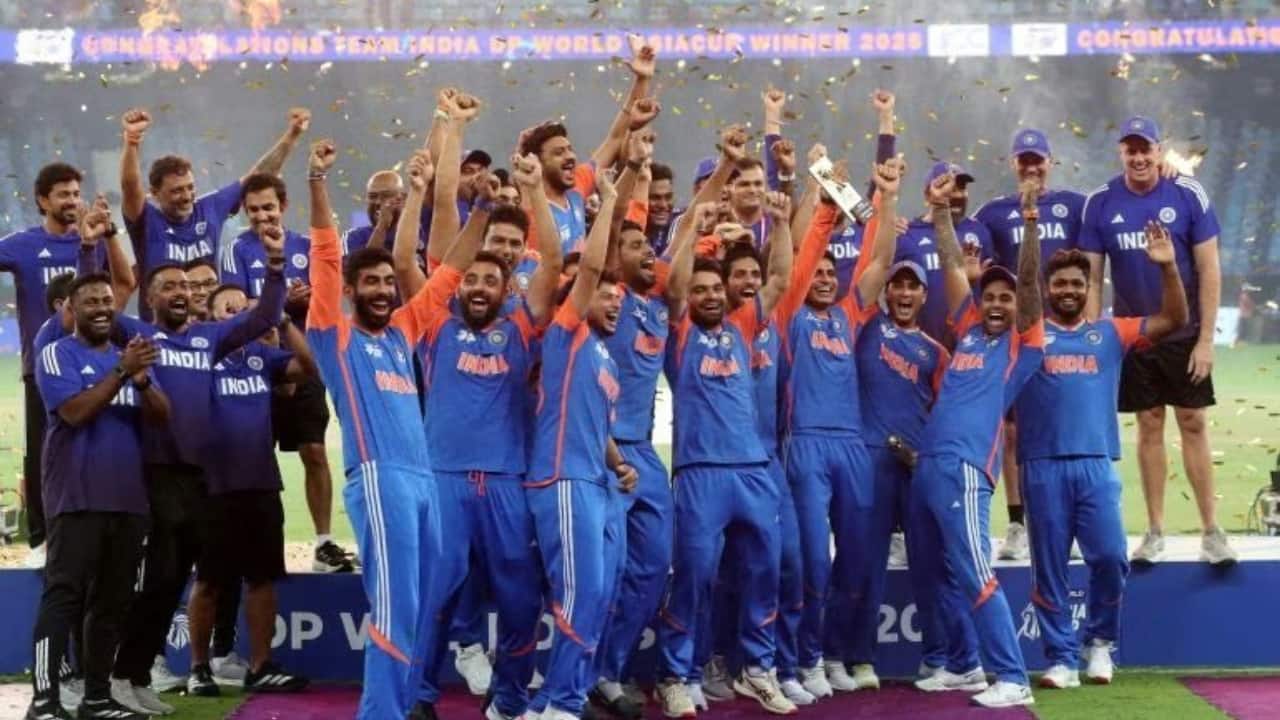
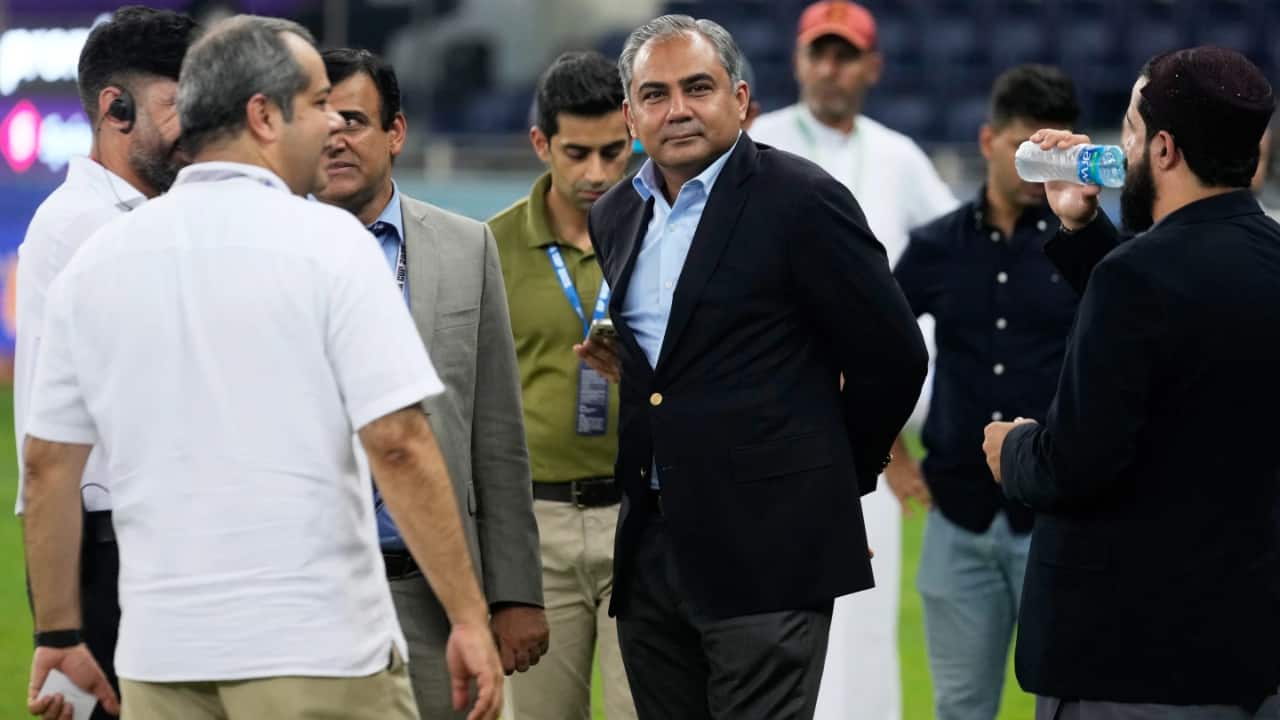
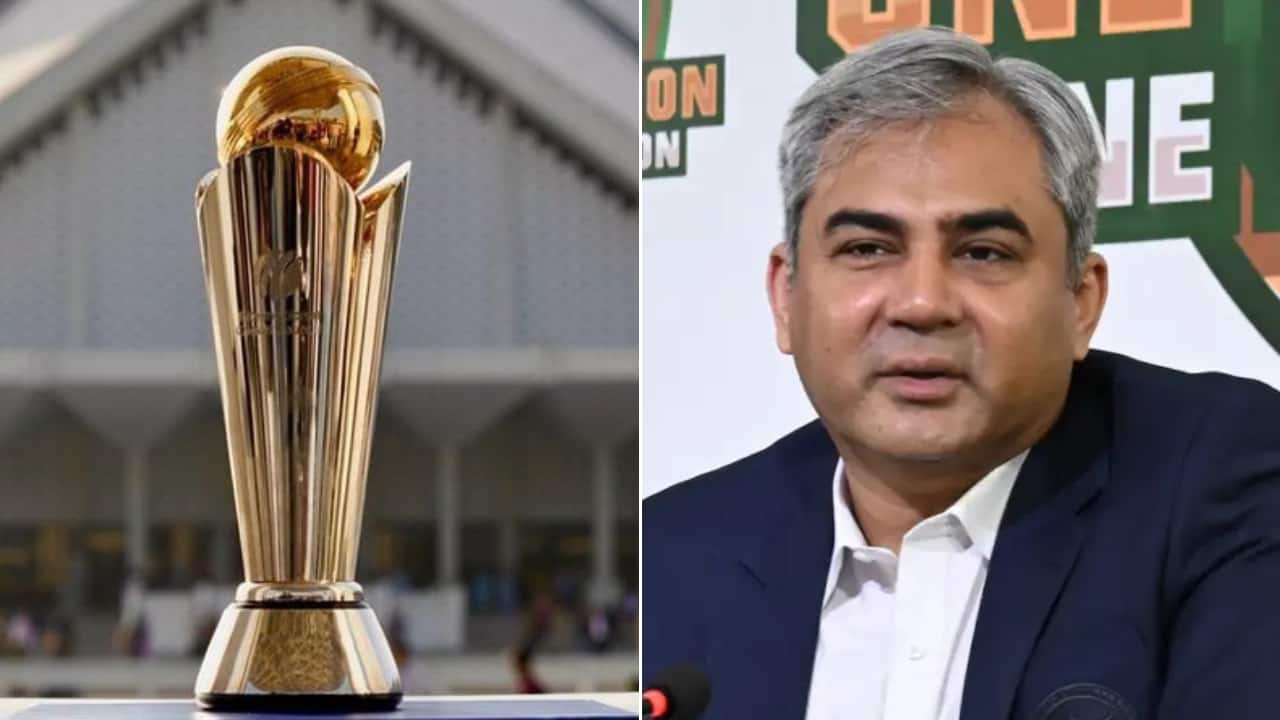
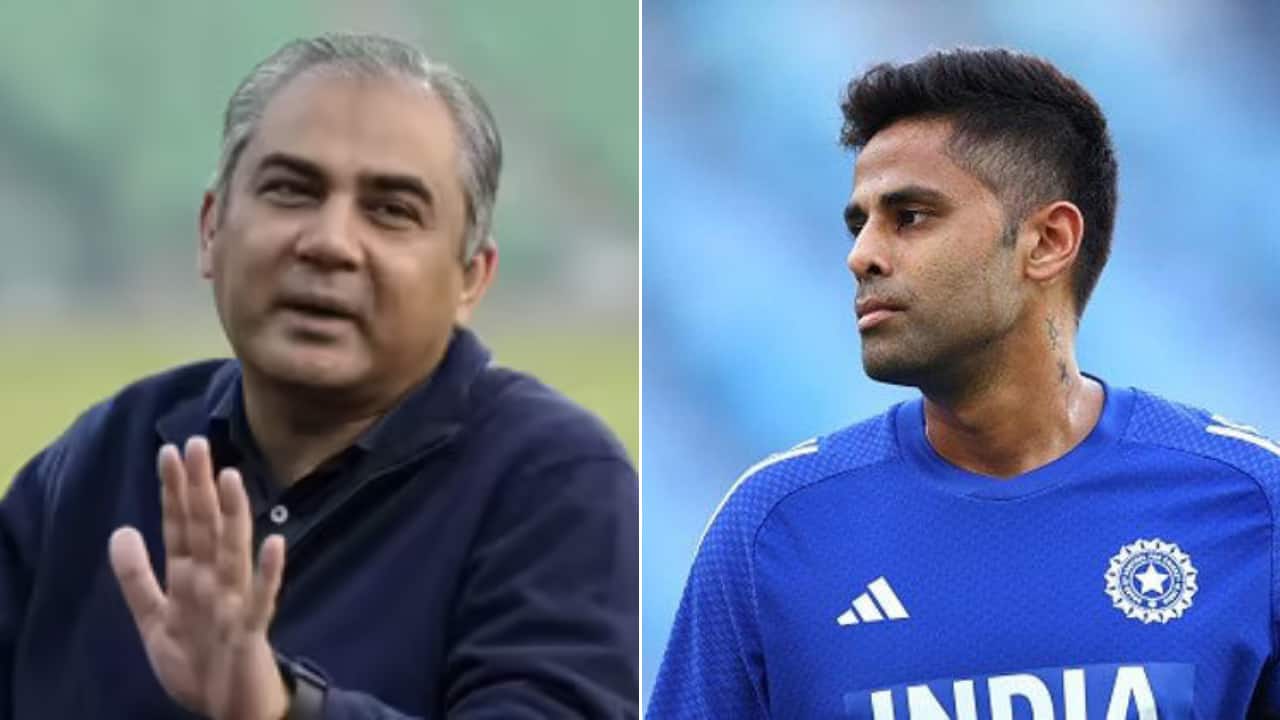
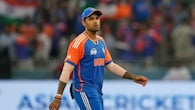
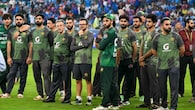
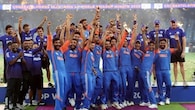
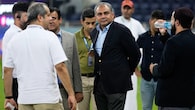
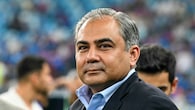
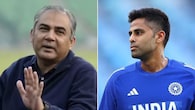
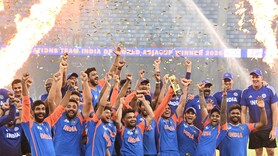
India’s victory over Pakistan in the 2025 Asia Cup final in Dubai turned unexpectedly tense when the Indian team refused to accept the trophy from Mohsin Naqvi, who holds the dual roles of Asian Cricket Council (ACC) president and Pakistan’s Interior Minister (and PCB chairman). The BCCI publicly stated that the team had made a “conscious decision” not to collect the trophy from him. The post-match presentation became chaotic. (AP Photo) The ceremony was delayed for over an hour, with Indian players standing on the field, refusing to budge toward the dais. When it was clear that a traditional handover wouldn’t happen, organizers removed the trophy from the ground. (AFP Image) Rather than collecting it, India chose to celebrate without it — captain Suryakumar Yadav later said that the real trophies for him were his teammates and support staff. In response, Naqvi stayed on his stance. Reports suggest he later asked Suryakumar Yadav to come to the ACC office in Dubai to personally collect the trophy — a demand rejected by India. (AP Image) Reports emerged that Naqvi had apologized for actions post the Asia Cup final and was ready to hand over the trophy but he later slammed all speculation saying that he did nothing wrong. He also said that the Indian team is "welcome" to pick up the Asia Cup trophy from him at the continental body's headquarters in Dubai. (AFP Image) The BCCI, meanwhile, has escalated the matter. They argue that the trophy belongs to the ACC, not to Naqvi personally, and have lodged a strong protest. Officials say they will press the issue at the next International Cricket Council (ICC) conference. In the latest update, a report has emerged that the Asia Cup trophy has been shifted to an unknown location in Abu Dhabi from the Asian Cricket Council (ACC) headquarters in Dubai. The development reported by news agency ANI comes three weeks after India defeated Pakistan in the finals. The controversy underlines how cricket and geopolitics are deeply connected, especially in India–Pakistan contests. What should have been a celebratory night turned into a diplomatic standoff, raising questions about governance, neutrality in sporting bodies, and how much politics can (or should) play a role in sport.