






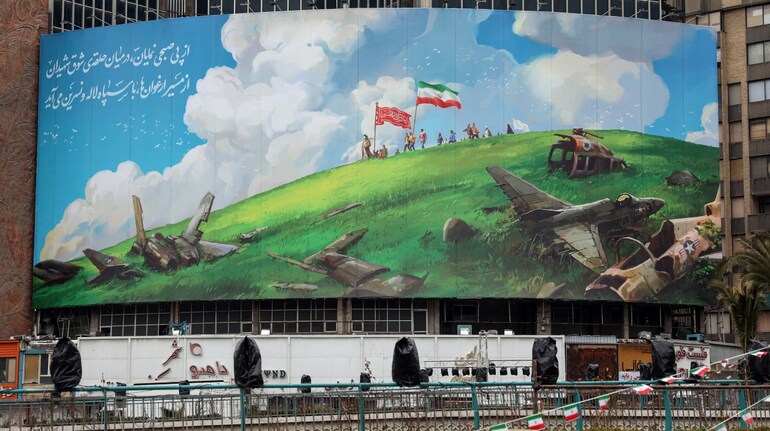

The United States Department of State has issued a Level 4 travel advisory urging US citizens not to travel to Iran for any reason and advising those already there to leave immediately, citing risks including terrorism, civil unrest, kidnapping, arbitrary arrest, torture and wrongful detention. The advisory notes that the United States has no embassy or consular presence in Iran, and that emergency services are limited or unavailable. “U.S. citizens in Iran should leave immediately,” the advisory states as part of its stern warning to American travelers.
This advisory comes just ahead of high-level talks scheduled on Friday between US and Iranian officials in Oman, where diplomats are expected to address Iran’s nuclear programme and wider regional issues. The meetings are being viewed as a critical opportunity to calm spiralling tensions that have drawn global concern.
US military posture signals readiness
While the White House emphasises diplomacy, the United States has significantly reinforced its military presence in the region, suggesting that it is preparing for multiple outcomes if talks falter. The USS Abraham Lincoln Carrier Strike Group continues to operate in the Arabian Sea, and US forces have been stepping up patrols with warships, planes, and surveillance assets. Analysts describe this as a signal that Washington intends to match diplomatic engagement with credible defensive readiness.
Tuesday’s downing of an Iranian drone that “aggressively approached” the USS Abraham Lincoln underlines how quickly military incidents can flare even as diplomacy moves forward.
Trump reinforces diplomacy, but warns Iran
At a press briefing ahead of the talks, White House press secretary Karoline Leavitt reiterated that President Donald Trump still prefers diplomatic solutions with Tehran. She told reporters the President wants to see whether a deal can be reached and emphasised that Trump remains committed to dialogue. “The president always has a range of options on the table, and that includes the use of military force,” Leavitt said, underscoring that diplomacy is the preferred path but not the only one.
Trump himself has issued pointed warnings to Iranian leaders, including to Iran’s Supreme Leader Ayatollah Ali Khamenei, saying he “should be very worried” if talks fail to halt Tehran’s nuclear ambitions. Trump has also said that bad things could happen if Iran does not agree to significant concessions, raising the possibility of more aggressive measures should diplomacy falter.
Talks shadowed by deep differences
Despite renewed diplomatic engagement, sharp divisions remain over the scope of the negotiations. Washington wants discussions to cover Iran’s missile programme, regional influence and human rights issues in addition to its nuclear activities. Tehran urges focus solely on its nuclear file and has resisted expanding the agenda. Iranian officials, including Foreign Minister Abbas Araqchi, have signalled readiness for what they call “fair and equitable negotiations,” though they have ruled out compromise on defence and missile capabilities.
Regional leaders, including Turkey and Germany, have urged restraint as tensions rise. Gulf Arab states also fear that any US strike could prompt retaliation against American bases in the region. These diplomatic and military signals together portray a delicate balance between urgent negotiations and the persistent threat of force if talks do not achieve a breakthrough.
Discover the latest Business News, Sensex, and Nifty updates. Obtain Personal Finance insights, tax queries, and expert opinions on Moneycontrol or download the Moneycontrol App to stay updated!
Find the best of Al News in one place, specially curated for you every weekend.
Stay on top of the latest tech trends and biggest startup news.










