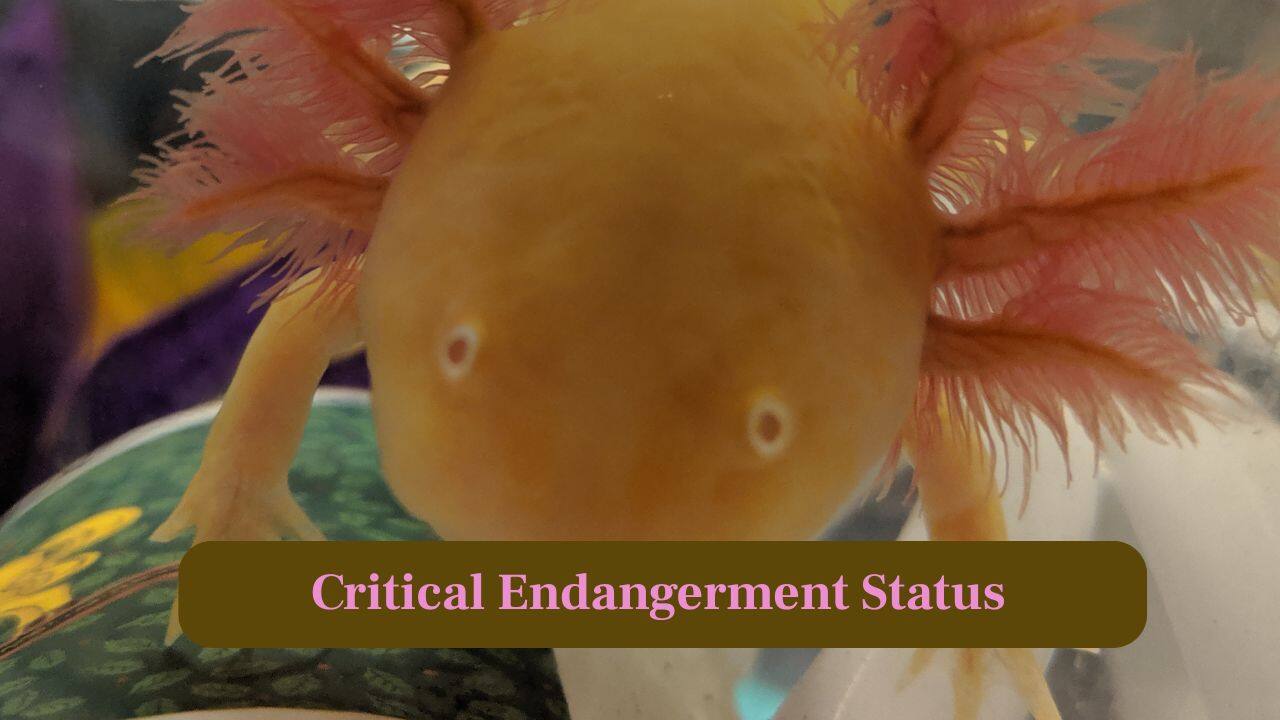
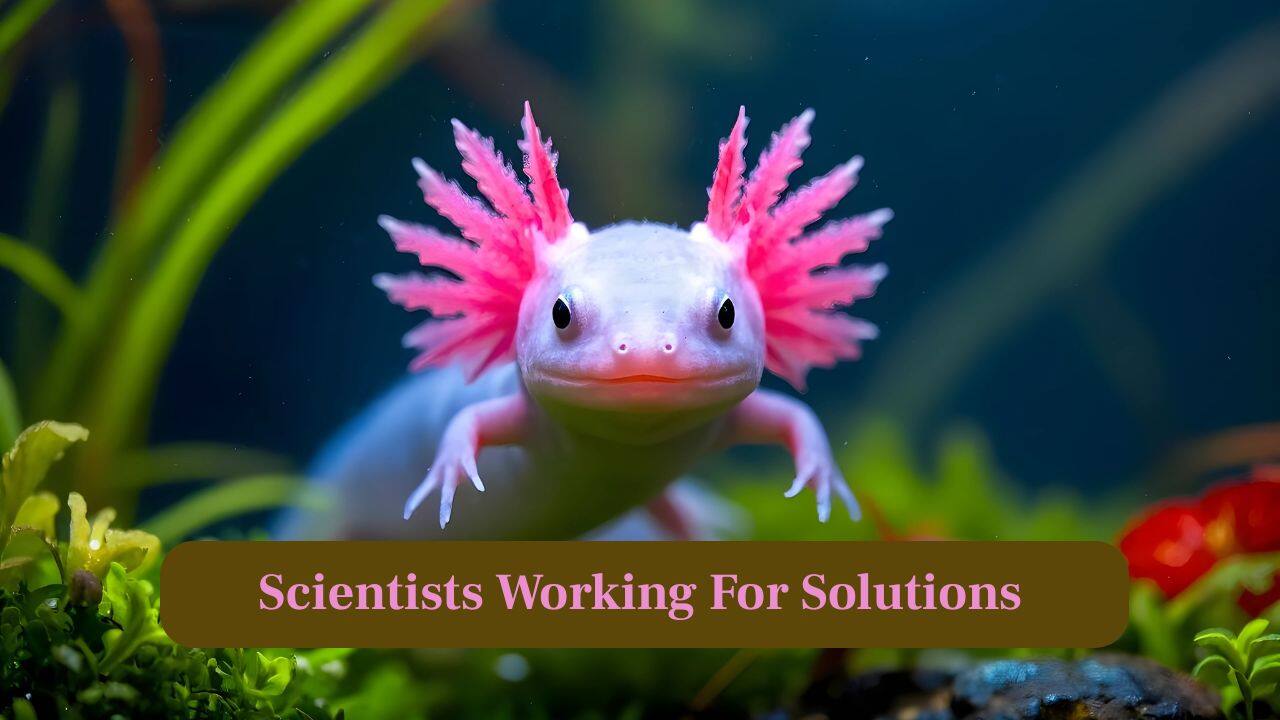
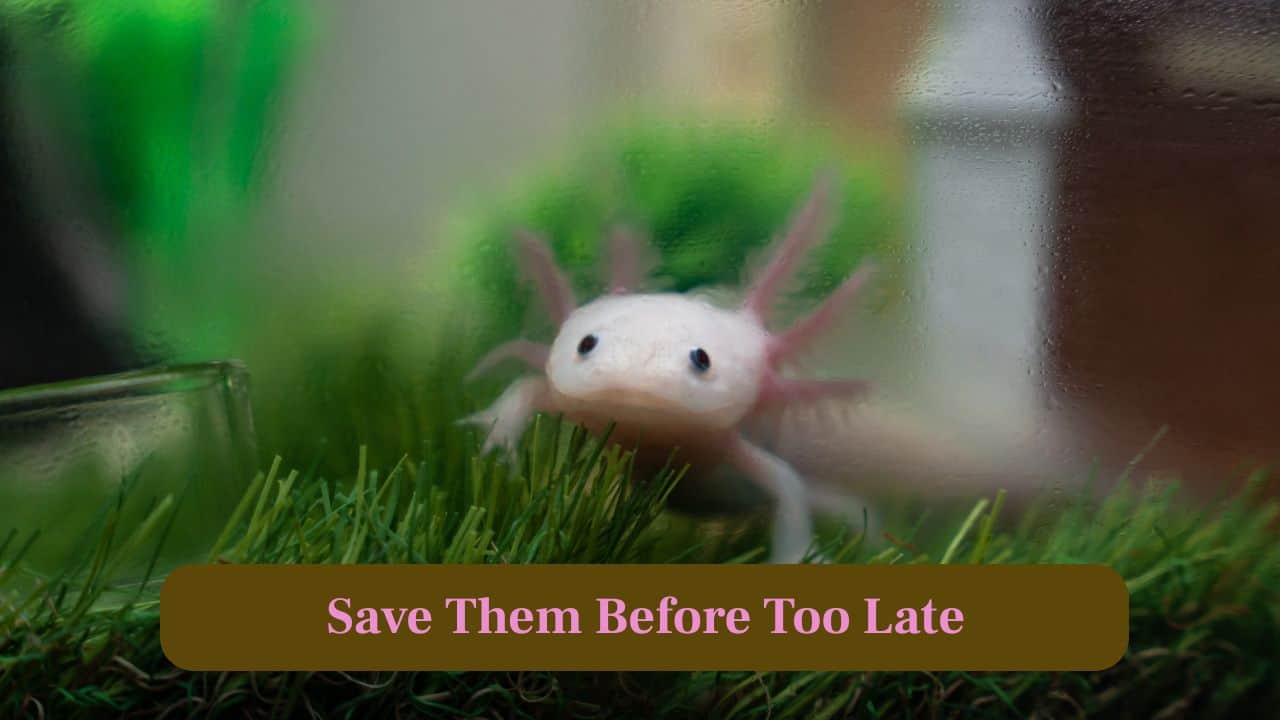
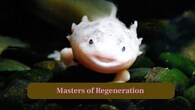
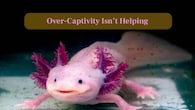
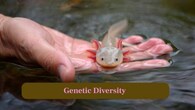
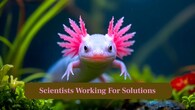
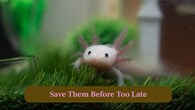
1. Adorable Water Monsters: Axolotls are unique salamanders famous for permanent youthfulness, but their wild populations are drastically shrinking today. (Image: Canva) 2. Native only to Mexico: They live exclusively in Mexico’s ancient lake system, mainly Xochimilco canals, making them extremely vulnerable to environmental change. (Image: Canva) 3. Masters of Regeneration: Axolotls regrow limbs, organs, and brain tissue, making them valuable for scientific discoveries in regenerative medicine worldwide. (Image: Canva) 4. Critical Endangered Status: The IUCN lists axolotls as Critically Endangered, with wild numbers shockingly low and continuously dropping. (Image: Canva) 5. Urbanisation Destroys Their Homes: Expanding cities replace wetlands with concrete, leaving axolotls without shelter, stable water, or needed food. (Image: Canva) 6. Climate Change Impacts Lakes: Rising temperatures and unstable rainfall rapidly shrink waterways, pushing wild populations closer to irreversible disappearance. (Image: Canva) 7. Over Captivity isn't helping: Though popular as pets, captive axolotls rarely return to wild ecosystems, creating imbalance in conservation success. (Image: Canva) 8. Genetic Diversity: Very few wild axolotls remain, increasing inbreeding risks and weakening ability to adapt against future threats. (Image: Canva) 9. Scientists Working for Solutions: Researchers restore canals, improve water quality, and protect breeding zones to boost wild survival chances. (Image: Canva) 10. Save Them Before Too Late: Awareness can spark action, ensuring future generations witness living axolotls thriving freely in protected waters. (Image: Canva)