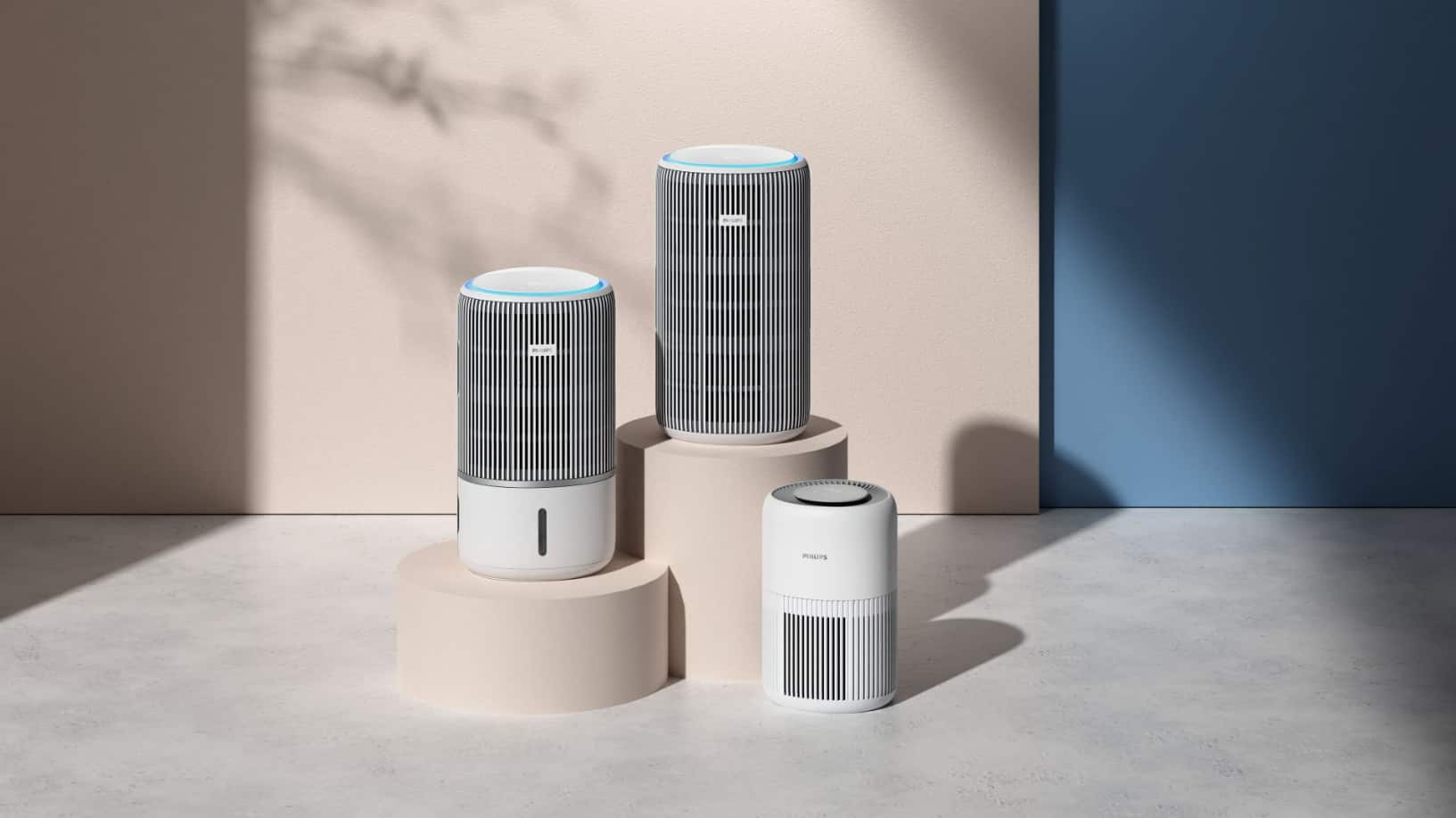
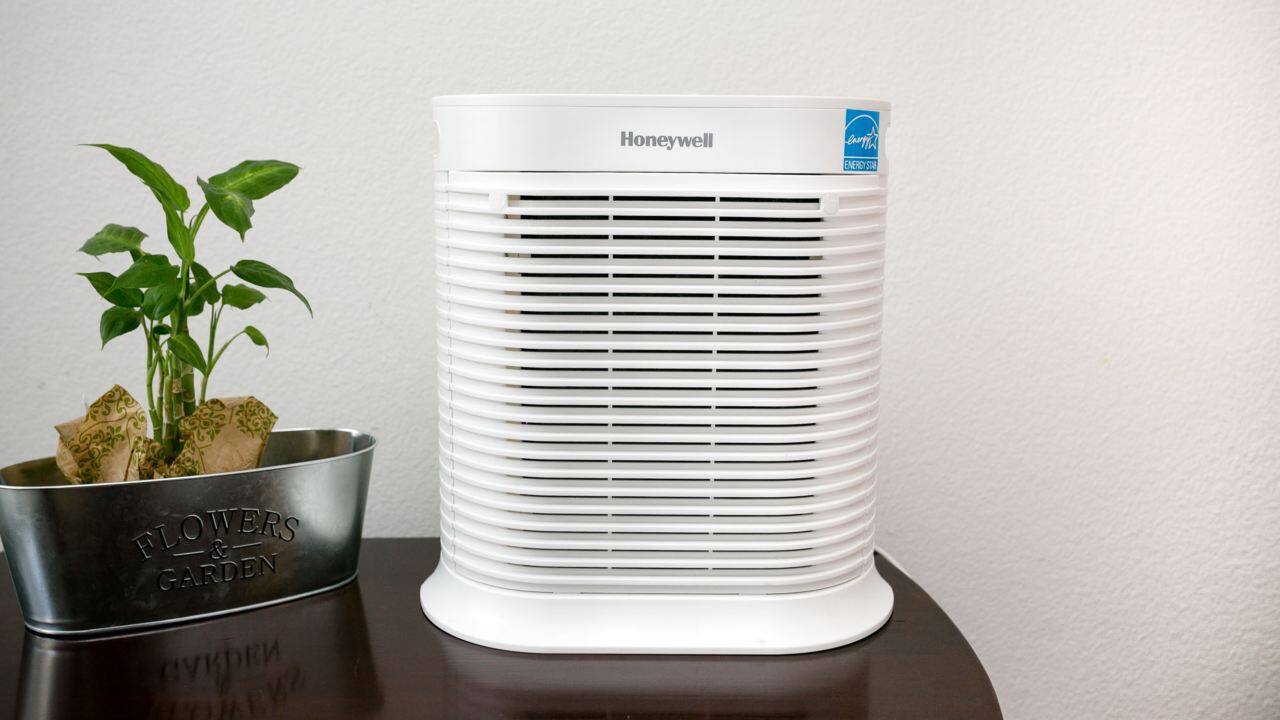
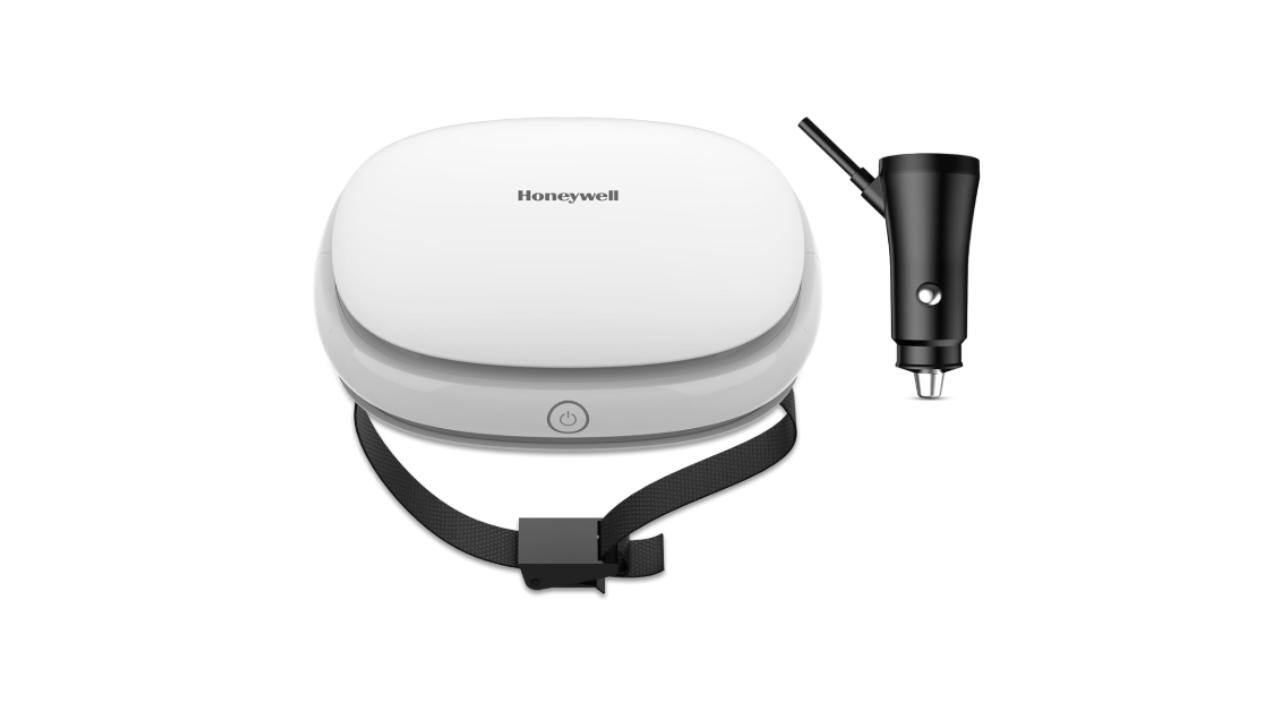
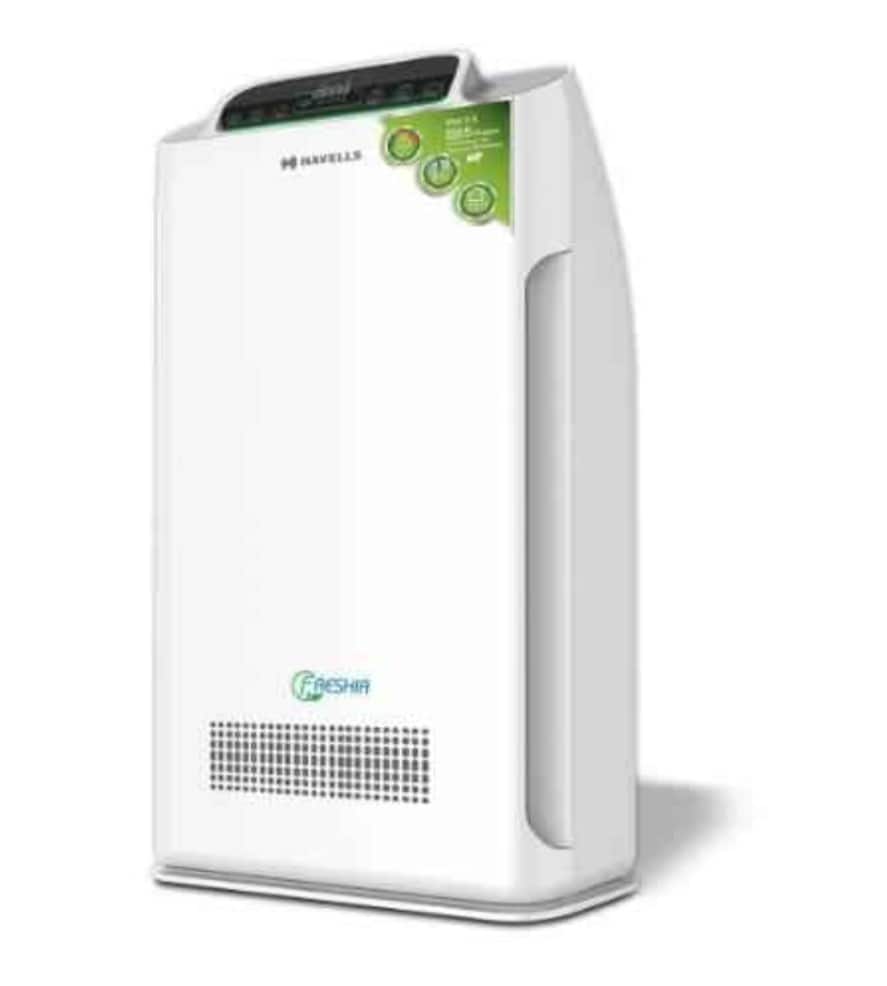
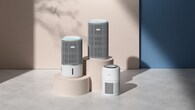
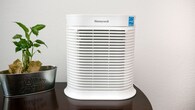
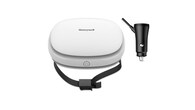
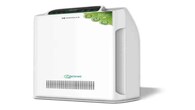
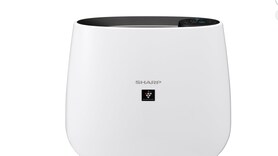
Myth 1: Air purifiers remove all pollutants instantlyAir purifiers reduce particulate matter over time, but no device can clean an entire room immediately. Filtration is a gradual process. Myth 2: Air purifiers are only for people with asthmaThey help asthma patients, but they also reduce dust, pollen, smoke, and PM2.5 for everyone, improving overall indoor air quality. Myth 3: You don’t need an air purifier if your home looks cleanDust and pollutants are microscopic. Even spotless-looking spaces can have high particulate levels. Myth 4: Opening windows defeats the purposeFresh air helps ventilation, but outdoor pollution can raise indoor PM2.5. Many people use purifiers alongside controlled ventilation. Myth 5: Higher fan speed means better purificationFan speed affects circulation, not filtration quality. The filter — especially HEPA — does the actual cleaning. Myth 6: Air purifiers remove odours completelySome models reduce odours with activated carbon, but they don’t eliminate every smell, especially if the source remains. Myth 7: HEPA filters last foreverThey clog over time and need replacement as per usage and environment. Running old filters reduces efficiency. Myth 8: Air purifiers protect you from viruses entirelyThey can reduce airborne particles, but they are not a standalone solution for infection control. Myth 9: Bigger machines are always betterA purifier should match the room size. Oversized machines waste energy, and undersized ones clean poorly. Myth 10: Air purifiers are expensive to runMost modern purifiers consume power similar to a ceiling fan. Filters are the main recurring cost, not electricity.