






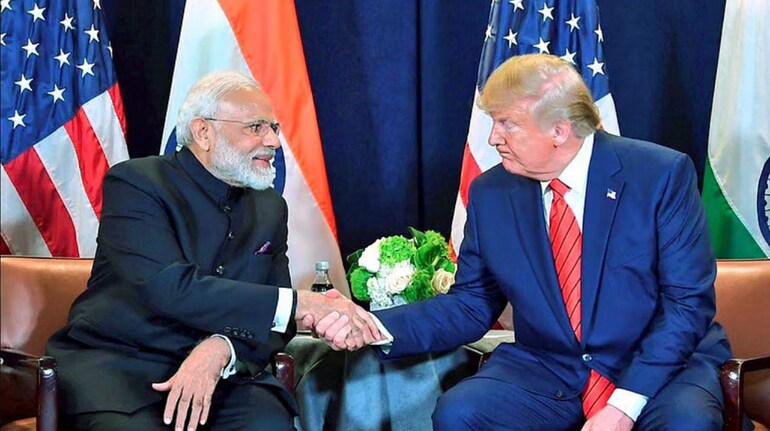

We just got the mother of all trade deals with the EU, a diplomatic and commercial milestone that reset India’s engagement with one of its most important bilateral trading partners. And almost on cue, the real OG arrived. The India–US trade deal announced on February 2 has quietly done something even bigger: it has repositioned India on the global trade chessboard.
Following a call between President Trump and Prime Minister Modi, the US cut tariffs on Indian goods to 18%, down from levels that had crept up to nearly 50% in some categories. In exchange, India committed to lowering tariffs and non-tariff barriers on US goods, stepping away from Russian oil, and purchasing over $500 billion of American energy, technology, agriculture, coal and industrial products over time.
On the surface, it reads like a typical Trump-era headline deal. Underneath, it is a structural shift and India is the clear economic beneficiary, although with T&C (terms and conditions).
The most important number here is 18%. That tariff rate places India below virtually every competing emerging market exporter. China still faces around 34%, Bangladesh 20%, Pakistan 19%. In global supply chains, that difference is not cosmetic, it directly changes sourcing decisions. For the first time in decades, India becomes the lowest-tariff large manufacturing platform selling into the world’s biggest consumer market.
This matters most for labour-intensive exports- textiles, apparel, footwear, gems and jewellery, and engineering goods. These sectors operate on thin margins and depend heavily on the US. A few percentage points of tariff relief can mean the difference between winning and losing large retail contracts. Textiles, in particular, stand out. The US absorbs nearly one-fourth of India’s textile exports and is also a major cotton supplier.
Against competitors like Bangladesh and Vietnam, India has always been slightly more expensive. The tariff cut narrows that gap sharply, making Indian exporters far more attractive to mid-priced US retailers who care about cost, compliance and supply-chain resilience in equal measure. This is particularly good for a sector which has been miserable for quite some time now.
Auto components are another underappreciated winner. The US accounts for roughly 25–30% of export revenues for Indian auto-parts makers. Tariffs falling from 50% to 18% materially improve India’s cost competitiveness in global OEM supply chains. Finished vehicle exports remain small, but in the component business where India already has scale- this deal locks in deeper integration.
Chemicals, pharmaceuticals, and electronics also benefit as lower barriers accelerate the China+1 shift. When US firms rethink where they source from, tariff arbitrage matters. India just moved to the front of that queue.
The US, of course, gains too. Energy exporters, LNG suppliers, agricultural producers and tech firms get a guaranteed growth market. Strategically, Washington scores by nudging India away from Russian oil. Politically, President Trump gets a fast, high-impact trade win. But in pure economic terms, India has secured the prize that matters most: privileged access without surrendering politically sensitive sectors like dairy or small-farm agriculture- at least for now.
That asymmetry is why markets reacted the way they did. Textiles, banks, IT and capital goods led the move. The rupee strengthened. With valuations already corrected and a fiscally disciplined budget in place, this deal acts as a magnet for foreign capital.
From a fund manager’s lens, this is more than a one-day rally. It is a repricing of India’s role in global portfolios. In a world where geopolitics increasingly drives capital flows, India now sits in the sweet spot: large, stable, fast-growing and now, the most tariff-advantaged emerging market into the US.
The details will come, and yes, the devil will be there. But markets don’t wait for fine print. They price inflection points. And February 2 may well be remembered as the day India quietly moved from being a participant in global trade to being one of its primary beneficiaries.
Disclaimer: The views and investment tips expressed by experts on Moneycontrol are their own and not those of the website or its management. Moneycontrol advises users to check with certified experts before taking any investment decisions.
Discover the latest Business News, Sensex, and Nifty updates. Obtain Personal Finance insights, tax queries, and expert opinions on Moneycontrol or download the Moneycontrol App to stay updated!
Find the best of Al News in one place, specially curated for you every weekend.
Stay on top of the latest tech trends and biggest startup news.





