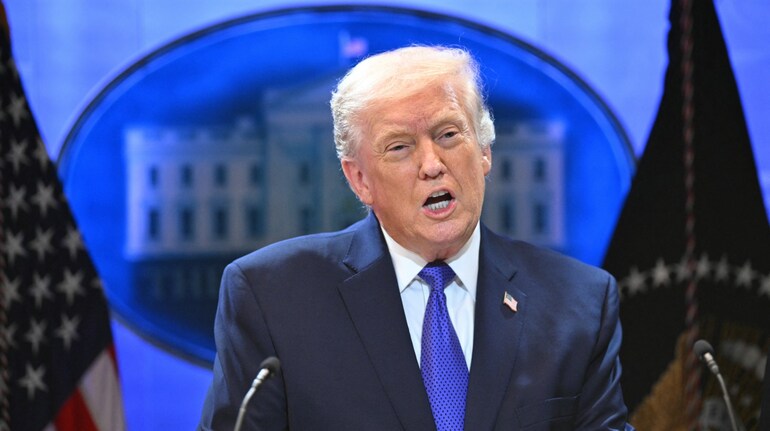

On February 20, 2026, the U.S. Supreme Court ruled 6-3 against the imposition of tariffs on US trading partner countries. The court argued that under the International Emergency Economic Powers Act (IEEPA), the US President does not have the legal authority to impose such sweeping tariffs. The court’s view is that the power to impose taxes is reserved for Congress.
The US Supreme Court ruling does not affect tariffs imposed under Acts other than the IEEPA. Tariffs on steel and aluminum, based on national security under Section 232 of the Trade Expansion Act of 1962, will remain. Similarly, tariffs on Chinese goods under Section 301 under the Trade Act of 1974 related to unfair trade practices will also remain.
Within hours of the US Supreme Court ruling, the US President imposed a 10% global tariff under Section 122 of the Trade Act of 1974. This is a temporary tariff for 150 days.
The US President is likely to explore other options for imposing tariffs, including Section 338 of the Smoot-Hawley Tariff Act of 1930. The Act raised import duties on more than 20,000 imported goods ranging from 20% to 60% under President Hoover. This was supposed to protect US farmers and industries. However, around 25 countries imposed retaliatory tariffs on US goods. This resulted in a severe (66%) reduction in international trade.
The current situation is that the US government may owe around $150 billion to importers who have been paying the tariffs so far. Whether this will be refunded and how remains to be seen.
The US-India trade deal will continue being discussed, and progress is likely to be made to reach an agreement. However, it does give more breathing room and negotiating power to the Indian side.
The current situation is that, other than steel and aluminum exports, all the other major sectors in which India exports and which were under tariffs will face 10% tariffs. For example, textiles and apparel, leather and footwear, marine products, chemicals, and machinery and engineering goods will face 10% tariffs. Pharmaceuticals, electronics, loose natural diamonds, aircraft parts etc,. are under near-zero tariffs under the interim trade deal.
Indian exporters to the US will continue to face uncertainty on the tariffs and will have to navigate the continuously changing situation. Likely, the interim and final trade deal between India and the US will also have changes. Further, the US might use other laws to impose tariffs or create non-tariff barriers to bolster its negotiating power in the India-US trade deal.
The exporters and the investors investing or holding stakes in companies exporting significantly to the US need to be vigilant. Further, the devil is in the detail and the investors will need to rely on the company that is exporting to provide the specific quantum of impact and the timeline of tariff reductions and new tariffs, etc., on that particular company. Besides, the impact on INR also needs to be monitored.
In short, the situation is highly dynamic, and the advice to long-term investors is to stay vigilant and not try to jump in and out on news flows and leave that to short-term traders. There are ample opportunities in domestically oriented companies at the current time.
Disclaimer: The views and investment tips expressed by experts on Moneycontrol are their own and not those of the website or its management. Moneycontrol advises users to check with certified experts before taking any investment decisions.
Discover the latest Business News, Sensex, and Nifty updates. Obtain Personal Finance insights, tax queries, and expert opinions on Moneycontrol or download the Moneycontrol App to stay updated!
Find the best of Al News in one place, specially curated for you every weekend.
Stay on top of the latest tech trends and biggest startup news.