Shishir Asthana
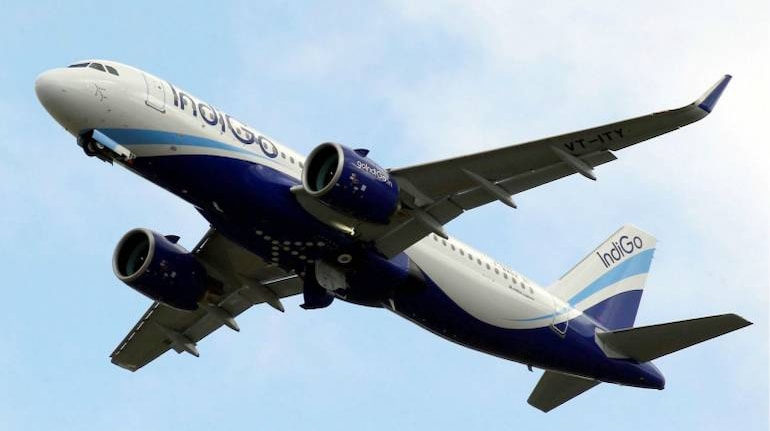
A 75 percent drop in InterGlobe Aviation’s (IndiGo) net profit did not deter the company from coming out with ambitious plans. The airline, after consolidating its position in the domestic market, is now targeting international airspace. But with competition in the international market far more intense, will the strategy work?
IndiGo is the leader in the domestic market with a 43 percent market share and is one of the most efficient airlines in the country. IndiGo’s performance looks credible because of at least two big reasons. First, it has managed to gain market share in the fastest growing market in the world with heavy competition. Second, the growth has been achieved without damaging its financials. With two big airlines — Air India and Jet Airways -— gasping for air in an environment of cutthroat competition, IndiGo has clearly broken away from the pack. Now that IndiGo has a strong domestic presence, it wants to build on it. As of now, the airline only has a market share of 6 percent among country’s international passengers.
When Etihad picked up a stake in Jet Airways, the fact that clinched the deal was Jet’s strong presence in the domestic market. Jet Airways then had a market share of around 25 percent, which has now come down to 14 percent. According to government data, between 2015 and 2019, trips have more than doubled from 100 million to 225 million and planes in the sky have increased from 400 to 700. During this period, IndiGo increased its share from 25 to 43 percent.
IndiGo is in a much better position than its competitors to capitalize on its market share of the domestic market. The weak link in its story is its connectivity in the international market.
If the airline is able to maintain its market share around the current level in the domestic market, it will be in a position to build its international business. A significant portion of Indian domestic passenger movement is outward bound, who use other international airlines to complete their return journey. That is one reason why Etihad tied up with Jet. IndiGo already has a sizable domestic base and is best placed to offer good deals and capture a significant size of the domestic plus international airline passenger market.
But can other airlines follow this model? The answer is yes and no. What differentiates IndiGo from Air India and Jet Airways is that IndiGo’s bread-and-butter market is the domestic market, which is profitable, thanks to its no-frill offerings. Air India and Jet Airways are losing money in the domestic market. They are profitable in the international market, but their high cost of operations in India and the competitive pricing eats into the gains from the international market. And since the domestic market still contributes a significant of part their revenue, they do not have the room to grow their international business.
However, SpiceJet, another low-cost airline, is as well-placed as IndiGo to take advantage of the growing opportunity.
In aviation, a strong domestic foundation is a sine qua non to increase your international footprint. IndiGo and SpiceJet, with increased international revenue going forward, would only make life tougher for Air India and Jet Airways.

Discover the latest Business News, Sensex, and Nifty updates. Obtain Personal Finance insights, tax queries, and expert opinions on Moneycontrol or download the Moneycontrol App to stay updated!
Find the best of Al News in one place, specially curated for you every weekend.
Stay on top of the latest tech trends and biggest startup news.