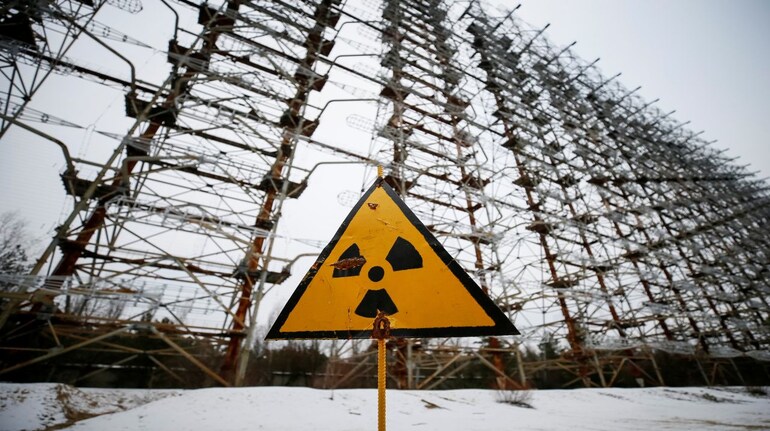
As per expected lines and in a move that will have far-reaching consequences, the Government of India introduced the Sustainable Harnessing and Advancement of Nuclear Energy for Transforming India Bill, 2025 (SHANTI), for consideration of both houses of the Parliament.
SHANTI, inter-alia, sets out a comprehensive framework for generation of nuclear power, operation of nuclear power plants and apportionment of liability of any nuclear power accidents.
SHANTI also repeals the Atomic Energy Act, 1962 (Atomic Energy Act) and the Civil Liability for Nuclear Damage Act, 2010 (CLND Act), which are currently India’s principal regulations in relation to generation of nuclear energy.
In my previous Moneycontrol column, I had analyzed the legislative amendments required to increase private participation in the sector of generation of nuclear energy and to achieve the Government of India’s stated objective of having 100GW of civil nuclear power generating capacity by the year 2047.
In the paragraphs below, I have examined whether the issues highlighted in my previous post (which broadly fall in the realm of who can generate nuclear power/ operate nuclear power plants and right of recourse against the supplier) have been addressed through the proposed legal framework in SHANTI.
As per the Atomic Energy Act, only Government of India or Public Sector Undertakings where the Government of India held more than 50% of the shareholding were allowed to own, use and operate nuclear power plants. This position has now changed under SHANTI, as per which any company (which is not a Government Company) or any person expressly permitted by the Central Government can apply for a license for inter-alia building, owning or decommission of a nuclear power plant or reactor. Therefore, the door has been now opened for private enterprises to own and operate nuclear power plants and contribute towards India’s energy transition plan.
Further, as currently under the Foreign Direct Investment Policy (FDI Policy), there is a complete bar on foreign investment in the nuclear power sector, necessary amendments were required to allow for private investment in the nuclear power sector. Towards this, the Government of India has approved amendments to the FDI Policy to allow foreign players to invest/ participate in the nuclear energy sector.
Although the extent of foreign direct investment allowed remains unclear for now, opening up of the sector for foreign participation will allow Indian companies to access advanced technologies in the nuclear power sector.
The construct of supplier liability under Section 17(b) of the CLND Act was a source of concern for foreign suppliers as it expressly provided a right of recourse of the operator against the suppliers if a nuclear incident has resulted as a consequence of an act of the supplier or his employee including any patent or latent defect in any equipment or any sub-substandard services.
The aforesaid provision was concerning for the suppliers as it may have led to suppliers having unlimited liability for any nuclear incident.
It may be noted that the term “supplier” has been very widely defined under Rule 24 of the CLND Rules and includes an entity providing design/ blue print of the nuclear plant, any entity manufacturing an equipment or component or providing design services or quality assurance – therefore, a wide range of entities covered as suppliers would have no cap on liability if they were connected with a nuclear power plant where a nuclear incident has occurred.
SHANTI does not expressly provide any right of recourse for the operator against any supplier. As per Section 16 of SHANTI, an operator can have a right of recourse against a contractual counter party only if: (a) such right was provided for in a contract; or (b) where the nuclear incident has occurred as a result of commission or omission of an individual with an intention to cause nuclear damage.
Thus, it is still open to operators to agree on a right to recourse in contracts with suppliers; however, the liability will be capped to the maximum amount set out in the relevant contract. This new provision will be helpful in addressing the apprehensions of foreign suppliers towards participation in India’s civil nuclear program.
Liability of operators now is graded depending upon the size of nuclear power plant operated by such operator. For example, the liability of an operator who is operating a reactor having thermal power of 3600 MW is restricted to Rs 3000 crores (which is the highest liability prescribed for the operators) and the liability of an operator who is operating a reactor having thermal power of 150MW is limited to Rs 100 crores (which is the lowest liability prescribed for the operators).
Additionally, under SHANTI, an operator is not responsible for nuclear incidents caused due to force majeure events such as war, natural disasters, armed conflict etc. and liability in relation of any nuclear incident cause due to such force majeure event is of the Central Government.SHANTI has paved the way for opening up of India’s nuclear sector and has tried to address concerns expressed by the private sector in past. As nuclear power generation is a matter of national security and the issue of opening up of the nuclear sector have generated lot of debate in past, we may see some amendments in the final notified version of the bill.
However, largely, private sector participants will be satisfied and happy with efforts of the Government to open up the sector and address past concerns.
(Romit Dey is Partner, AP & Partners.)
Views are personal and do not represent the stand of this publication.Discover the latest Business News, Sensex, and Nifty updates. Obtain Personal Finance insights, tax queries, and expert opinions on Moneycontrol or download the Moneycontrol App to stay updated!
Find the best of Al News in one place, specially curated for you every weekend.
Stay on top of the latest tech trends and biggest startup news.