






The recently concluded IPL 2026 mini auction in Abu Dhabi left fans buzzing and occasionally baffled. Some players attracted eye-watering bids, others with solid track records fetched surprisingly modest prices, and a few familiar names went unsold in the first round.
Social media, as expected, was quick to declare winners, losers, “overpriced buys” and “steals of the auction”.
But take a step back from fandom and familiarity, and what played out looks far less random. Take away the auction paddles, and the IPL mini auction begins to resemble a live market trying to price future value in real time.
Records were broken and purses stretched as franchises scrambled to fill 77 slots from a pool of 369 shortlisted players. The spend was roughly ₹215 crore along the way. From an overseas signing that smashed previous price ceilings to uncapped youngsters with tiny base prices commanding massive bids, the outcomes felt dramatic.
Cameron Green, the blue-chip buy
To see why, it helps to start with the biggest number on the board.
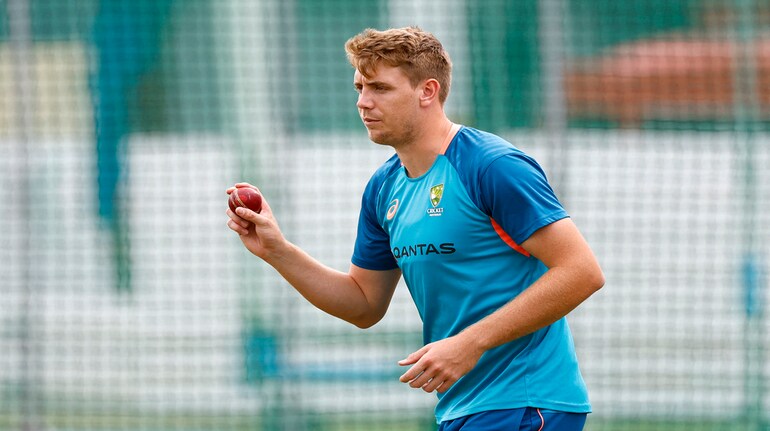
Kolkata Knight Riders’ ₹25.20 crore purchase of Cameron Green instantly became the headline of the auction. It made him the most expensive overseas player in mini-auction history, and for many fans, the price felt extravagant. But in stock-market terms, this wasn’t a punt, it was a blue-chip buy.
Green offers multiple revenue streams in cricketing terms. Big hitting along with flexibility to bat anywhere in the order, seam bowling, safe fielding and availability across the season. When franchises bid like this, they aren’t paying for last year’s returns; they’re pricing in forward earnings. Much like investors paying a premium for companies expected to grow steadily, KKR paid up because comparable alternatives were scarce.
CSK defies tradition to buy into startups
Then came the moment that truly split opinion. Chennai Super Kings raised eyebrows by spending ₹14.20 crore each on two uncapped Indians, Prashant Veer and Kartik Sharma, both of whom had entered the auction at a base price of ₹30 lakh. On paper, the jump looked absurd. In market language, however, this was classic venture capital behaviour.
Veer and Kartik arrived at the auction with strong domestic credentials and recent performances that had caught the attention of scouts and analysts. They weren’t yet proven at the highest level, but that’s exactly how startups work. You’re not buying current earnings; you’re buying a story, a trajectory and the possibility that early investment turns into outsized returns. CSK essentially treated them like growth listings, risky, yes, but with the kind of upside that can reshape a portfolio if even one bet clicks.
What do you wish to price? Expectation or evidence?
This idea of pricing expectation rather than evidence runs through the entire auction. In equity markets, a stock’s PE (price earning) ratio reflects how much investors are willing to pay for each unit of earnings, often stretched for companies expected to grow rapidly. In the IPL, the equivalent is how much a franchise pays relative to recent performance. A player with one strong domestic season but the “right” skill set can suddenly look expensive, while a reliable international name can look cheap if his future role appears limited.
That’s how you end up with a proven T20 performer like Quinton de Kock going to Mumbai Indians for just ₹1 crore. His price wasn’t a comment on talent. It was more about budget and opportunity. Much like a steady but slow-growing company trading at a low valuation, de Kock was a value buy for a franchise that didn’t need him to be everything.
Pricing impact players
The middle of the auction told similar stories. Liam Livingstone fetched ₹13 crore from Sunrisers Hyderabad because teams value impact players who can change games quickly. Mustafizur Rahman went to KKR for ₹9.20 crore because death-overs specialists are always in short supply. Josh Inglis at ₹8.60 crore for Lucknow Super Giants and uncapped Indian Auqib Nabi Dar at ₹8.40 crore for Delhi Capitals reflected franchises paying premiums for clearly defined roles, not reputations.
When demand and supply don’t intersect
At the other end, familiar names like David Miller and Ben Duckett hovered around the ₹2 crore mark, while Prithvi Shaw and Sarfaraz Khan went unsold initially, with Sarfaraz eventually returning at ₹75 lakh. These weren’t market snubs so much as valuation mismatches. Even solid companies trade cheaply when their growth outlook is unclear or when investors see better opportunities elsewhere.
Scarcity impact on pricing
A big reason prices looked distorted was scarcity. Mini auctions are thin markets by design. Teams arrive with most of their squads already built, limited purse balances and very specific gaps to fill. When only a handful of players can meet a particular need , a power hitter, a death bowler, a multi-skill all-rounder , bidding escalates fast. It’s the same reason niche stocks spike when demand converges on limited supply.
It's not an All-Star XI that a franchise tries to build
What often gets lost in the noise is that franchises aren’t trying to assemble the most famous eleven. They’re building portfolios. Just as investors mix blue-chip stocks with growth bets and defensive holdings, IPL teams blend stars, specialists, prospects and budget buys. KKR’s heavy spending at the top was offset by spreading risk elsewhere. CSK’s aggressive backing of youth hinted at a longer-term view. Mumbai Indians, operating with tighter constraints, focused on maximizing value per rupee.
This is why “winning the auction” rarely means winning the IPL. Auctions are about allocation, not outcomes. Just as markets judge investors over cycles rather than single trades, the IPL judges franchises over seasons, not press conferences.
Seen this way, the mini auction wasn’t madness. Some bets will look brilliant in hindsight, others will age badly, and narratives will shift accordingly.
But the next time a multi crore bid for an uncapped player leaves you stunned, it might help to think less like a fan and more like an investor. Because in the IPL, as in markets, the highest prices are rarely about the past, they’re about a future someone is willing to bet on.
Discover the latest Business News, Sensex, and Nifty updates. Obtain Personal Finance insights, tax queries, and expert opinions on Moneycontrol or download the Moneycontrol App to stay updated!
Find the best of Al News in one place, specially curated for you every weekend.
Stay on top of the latest tech trends and biggest startup news.




