






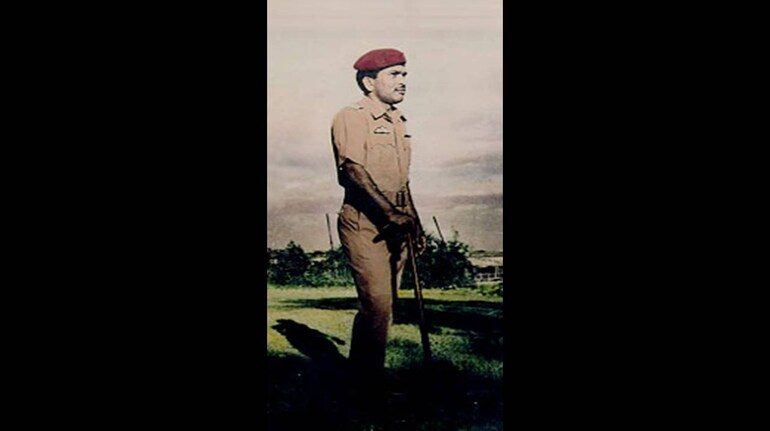
On the morning of November 7th 1975, early risers in Dhaka witnessed soldiers coming out of the cantonment in trucks, some joyously firing shots in the air. A Colonel moving in a jeep near the racecourse spoke to a person and said there would be a joint rally by him and another senior officer later that day. The radio – the principal means of public communication then – announced that a Soldiers and People’s Uprising was taking place.
However, the planned rally never took place. Over the next two weeks, rumours abounded of soldiers marching into Dhaka from Jessore and other places. But it all came to naught. The Colonel mentioned earlier – the key mover behind the events of November 7th – was arrested on the instructions of a co-conspirator. Jailed and tried in secret, he was hanged on July 21st, 1976. This brought an end to the volatile life of an unusual soldier.
Abu Taher: From Elite Officer to Revolutionary
Like many others from East Pakistan, Colonel Abu Taher began his military career in the Pakistan Army. At a time when most officers from the east were sent into the East Bengal Regiment, Taher was commissioned into the elite Baloch Regiment in 1961, indicating he was considered above average. Further confirmation of this came in 1965, when he was selected for the Special Services Group (SSG) and became the only Bengali-origin officer to undergo the Ranger and Special Forces training courses in the USA.
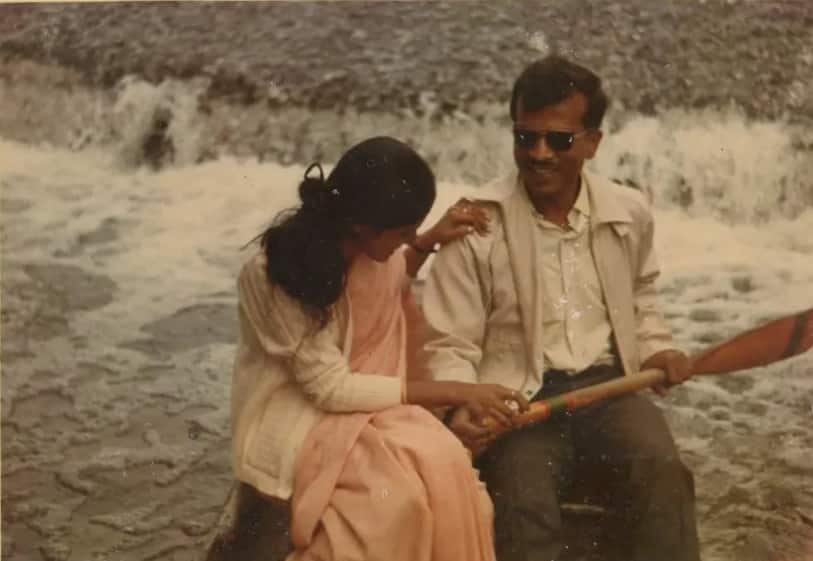 Col Abu Taher in happier times with his wife. (Source: Bangladesh on record)
Returning from the USA in December 1970, he realised that the massive election victory of the Awami League would cause trouble. While posted at Quetta, he began to get news of the crackdown on intellectuals and other civilians in East Pakistan by the army. On expressing his displeasure against this, he found himself detained.
Ziaur Rahman and Diverging Paths
Senior to Taher in the Pakistan Army was Ziaur Rahman. Commissioned in 1955 in the Punjab Regiment, he was transferred to the East Bengal Regiment later. Like Taher, he too received special forces training and both officers fought against India in the 1965 war. Post the war, Rahman was posted at the Pakistan Army’s Staff College in Quetta as an instructor. It was during his tenure that his son, Tarique Rahman, was born. Tarique is now a leading contender for the Prime Minister’s office in the upcoming Bangladesh elections.
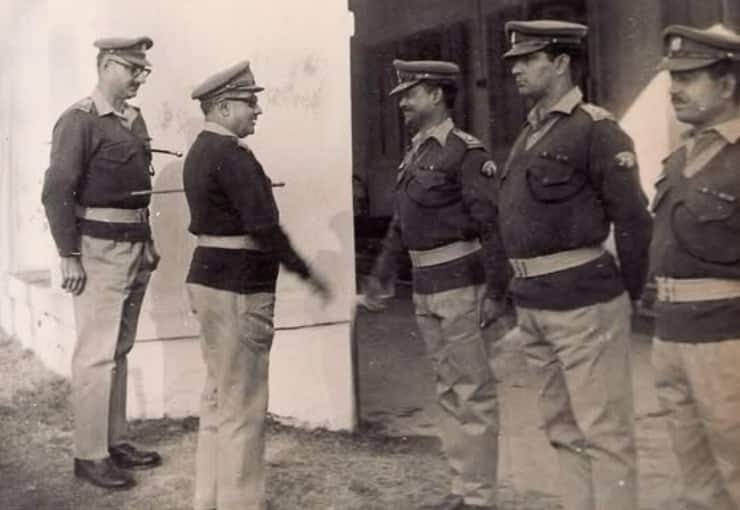 Ziaur Rahman - in the middle - shaking hands with another officer of the Pakistan Army in 1969
At the beginning of 1971, both Abu Taher and Ziaur Rahman were bitterly against the Punjabi- and Pashtun-dominated Pakistan Army for its treatment of the east. Revolt was the only way out. Held in custody, Taher managed to escape and sneaked across the border to India along with three other officers. Rahman, posted in the east, was more overt. On the urging of Awami League supporters, he took to the radio and declared Bangladesh’s independence on March 27th, 1971.
War, Wounds, and Disillusionment
Both soldiers fought in Bangladesh’s war of independence. Taher used his SSG training to great effect against the Pakistan Army, with guerrilla warfare being his forte. Notable was a mid-September raid on Chilmari, held by two companies of the Pakistanis. Taher’s force came back with a huge haul of prisoners, arms, and ammunition. Alongside Taher, his six brothers and two sisters also joined the freedom struggle. As a result, their parents were imprisoned and the village ransacked.
On another raid, Taher’s force captured Kamalpur, but in this operation Taher was wounded and had to have his leg amputated in Guwahati Military Hospital.
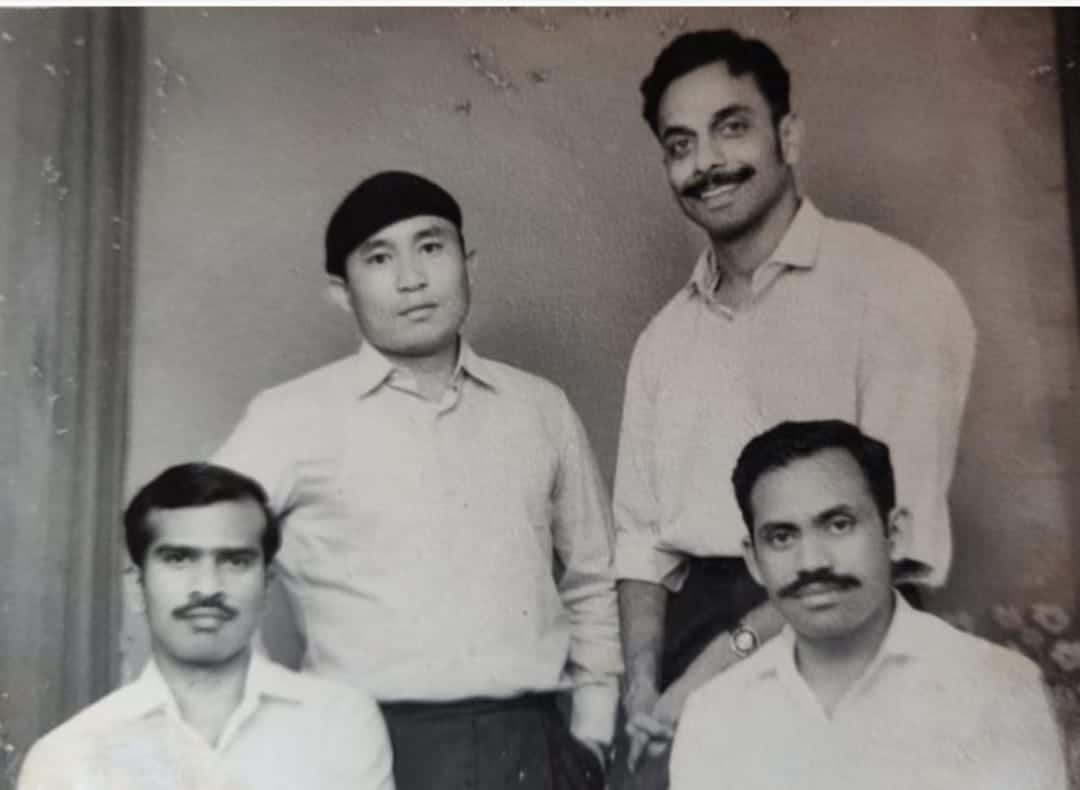 Picture taken at the Artificial Limb Centre and Command Military Hospital in Poona - post the 1971 War. Abu Taher is sitting on the left while Major Ian Cardozo is standing on the right.
Transferred to the Artificial Limb Centre and Command Military Hospital in Poona (now Pune), Taher was deeply disappointed at having to sit out what would have been a moment of glory for him, leading his country to freedom. Among his fellow patients in Poona was Major (later Major General) Ian Cardozo of the Indian Army.
Power, Coups, and the Betrayal of Revolution
Taher returned to the newly formed Bangladesh five months later, was promoted to Colonel, and later appointed Adjutant General of the Army. He was a radical Marxist by inclination and was dead honest in his dealings. As Adjutant General, he attempted to inculcate similar values in the army. In this, he antagonised not only the top hierarchy of the Mukti Bahini, but many others who had used their authority to illegally grab property belonging to Pakistanis who had returned to West Pakistan. Later, Taher took command of the army’s Comilla cantonment while Ziaur Rahman led the brigade in Dhaka.
By 1975, Bangladesh’s problems began to become apparent. On one hand, foreign funds coming into the country caused widespread government corruption. On the other were army officers watching this decay with anger. Most of these officers had been in the Pakistan Army, which was a political force and whose leadership saw no ethical issues in ejecting an elected government to take power. While the country had been separated, the mindset was unchanged, and a series of coups and counter-coups awaited.
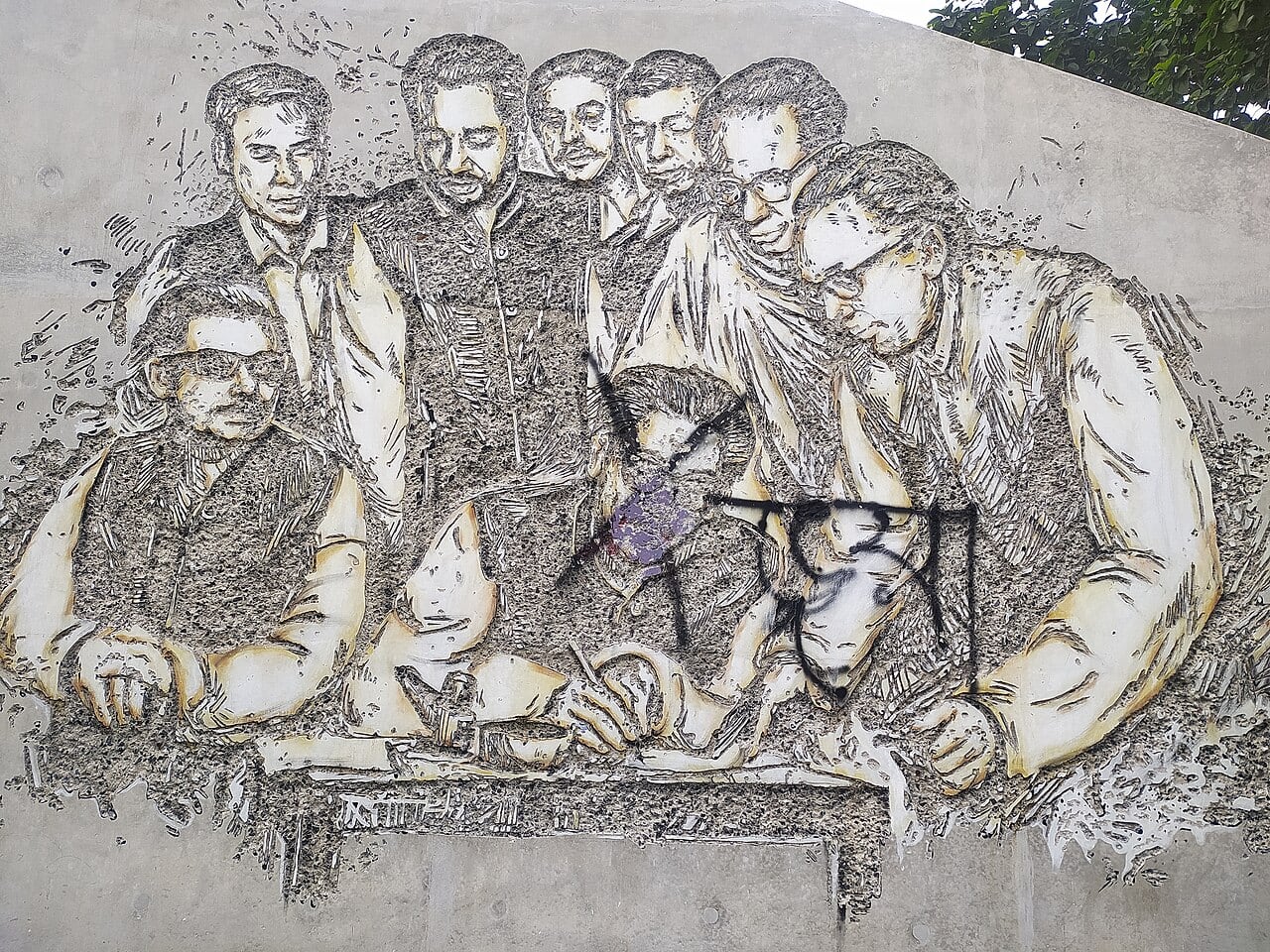 Sheikh Mujib's face scratched out with the word FRAUD, in a changed Bangladesh mood
On August 15th, 1975, a group of army majors delivered the first coup – assassinating Sheikh Mujibur Rahman and many of his family members. The new dispensation elevated Ziaur Rahman to Army Chief. However, the coup did not have popular support and on November 3rd, 1975, Brigadier Khaled Mosharraf led a counter-coup. Promoting himself to Major General and Army Chief, Mosharraf had Rahman arrested.
Strangely enough, much of the rank and file of the Bangladesh Army were members of the political-minded Revolutionary Soldiers’ Organisation, and they were unhappy with senior officers like Mosharraf seeking personal gain at the expense of the country. Rather than allowing a rebellion by a mass upsurge of soldiers, Abu Taher took charge, and the first thing he did was to rescue Rahman. While Taher and Rahman jointly restored some order, the rally they were to address jointly never took place. By the end of November 7th, the day of this coup, General Mosharraf lay dead.
Trial, Execution, and an Unfinished Cycle
Unbeknownst to Taher, Rahman considered him a threat due to his radical beliefs, and on November 15th Taher found himself arrested. Held in solitary confinement, tried by a Special Military Tribunal, and charged with mutiny and high treason, Taher was sentenced to death. On hearing of the sentence, Taher is said to have laughed.
The man was no saint – on hearing of Sheikh Mujib’s end, he had stated that no burial should have been done for Mujib’s body, which should have been thrown into the sea. The violence Taher propagated eventually caught up with him.
On July 21st, 1976, he walked towards the gallows and put the noose around his neck with his own hands. His last words were, “Goodbye, my countrymen. Long live Bangladesh! Long live revolution.” His grave was guarded for several weeks after his death to ensure it did not become a monument. A sad end for a recipient of the Bir Uttom – a gallantry award for the war of independence.
Ziaur Rahman was now the clear leader. Various coups were attempted against him as well, but he managed to survive, ordering the execution of over a thousand military men who were a threat to him. Under his leadership, Bangladesh began to move closer to an Islamic line of thought, away from the secularism of Sheikh Mujib. If Rahman thought that would help his grip on the country, that was a mistake.
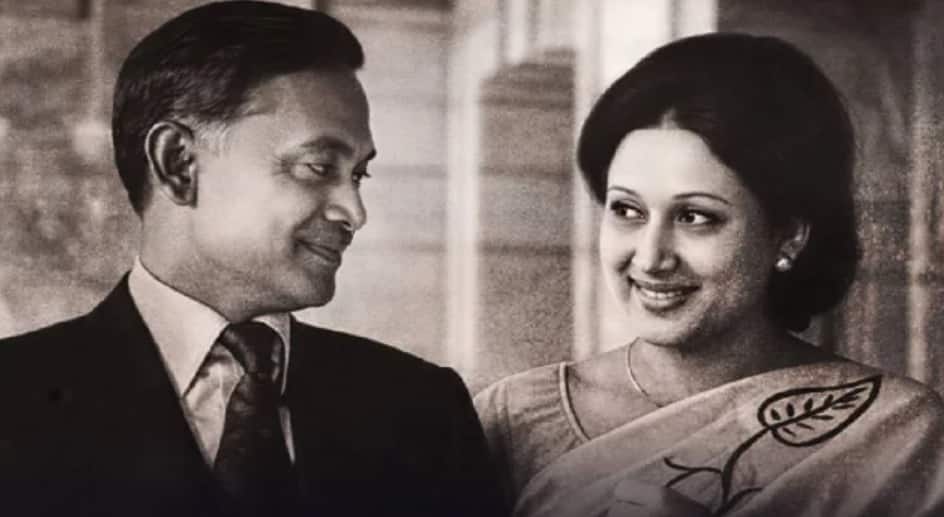 Ziaur Rahman with his wife Begum Khaleda Zia, who would also go on to become Prime Minister of Bangladesh
On May 30th, 1981, the old pattern was repeated, with a group of army officers eliminating Rahman. Retribution and more executions followed, and the cycle of violence went on. One wonders whether the upcoming elections will see a semblance of stability return, or whether a Jamaat victory will see Tarique Rahman and the current army chief, General Waker-uz-Zaman, being tried by a kangaroo court.
(Arjun Kumar is a heritage explorer by inclination with a penchant for seeking obscure sites. A brand consultant by profession, he tweets @HiddenHeritage.)
Views are personal, and do not represent the stand of this publication.
Discover the latest Business News, Sensex, and Nifty updates. Obtain Personal Finance insights, tax queries, and expert opinions on Moneycontrol or download the Moneycontrol App to stay updated!
Find the best of Al News in one place, specially curated for you every weekend.
Stay on top of the latest tech trends and biggest startup news.




