Prime Minister Narendra Modi on Monday revisited one of the most contested chapters in India’s pre-Independence politics: why Vande Mataram faced resistance from Muhammad Ali Jinnah and the Muslim League in the 1930s, and why the Congress eventually modified the song.
Speaking in Parliament during the 150-year commemoration of Vande Mataram, the Prime Minister quoted a 1937 letter by Jawaharlal Nehru to Netaji Subhas Chandra Bose, saying Nehru believed that the song’s backdrop in Bankim Chandra Chattopadhyay’s novel Anandamath “could irritate Muslims”. Modi argued that this period marked the beginning of the political objections that eventually reshaped the national song.
How Vande Mataram became a national symbol
Written in 1875 and first published in Bangadarshan, Bankim Chandra Chattopadhyay’s Vande Mataram quickly travelled from literature into the political imagination of the national movement. Rabindranath Tagore later set it to music, and it became a rallying cry for freedom fighters across Bengal and beyond.
In 1937, the Congress adopted a modified version of the song as the national song, and in 1951, the Constituent Assembly, led by Rajendra Prasad, formally recognised it as such, while Jana Gana Mana was adopted as the national anthem.
Why Jinnah and the Muslim League Objected
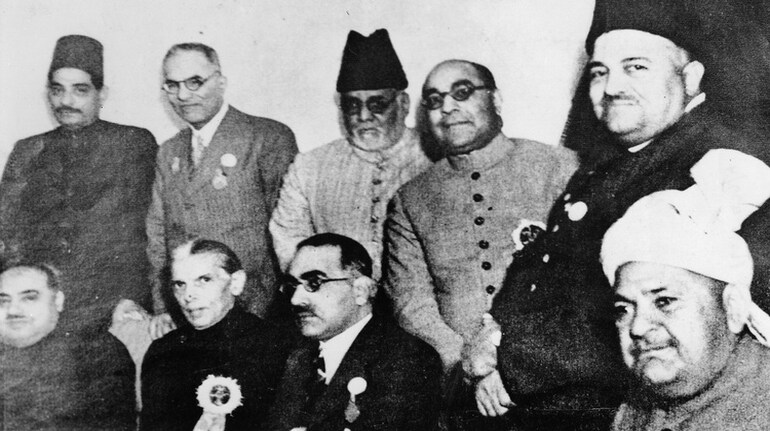
By the late 1930s, the Muslim League had mounted a strong campaign against Vande Mataram. At a meeting in Lucknow on 15 October 1937, Muhammad Ali Jinnah denounced the song, arguing it contained references to Hindu goddesses like Durga and Lakshmi and was therefore incompatible with Muslim sentiment.
The Indian Express archives show that objections were framed around two key points: that Vande Mataram was “idolatrous”, and that it did not align with the secular and inclusive ideals emerging in national politics.
According to the Prime Minister, despite countering the League’s claims, the Congress began reassessing the song’s usage. On October 26, 1937, the party decided to use only parts of the song, citing harmony among communities. Modi contended that this amounted to the Congress “kneeling before the Muslim League” and marked the beginning of a political compromise that later extended to Partition-era decisions.
Modi extended the argument to the Emergency era as well, saying the Constitution itself “was throttled” when the national song completed 100 years. He described the 150-year mark as an opportunity to restore the “glory and pride” associated with the song that once united freedom fighters.
Why Jana Gana Mana became the anthem
A Cabinet note written by Nehru in May 1948 sheds light on another turning point. Nehru argued that a national anthem needed musical universality: it should be simple to play in orchestras, appreciated abroad, and possess a dignified, uplifting tune.
He wrote that while Vande Mataram had deep historical and emotional value, its tune was “plaintive, repetitive, and difficult for orchestral rendering”, especially for foreigners. Its language, he noted, was also difficult for an average citizen.
Jana Gana Mana, in contrast, was musically suited for orchestras and military bands and easier to understand. Supported by Mahatma Gandhi and backed by Congress leaders, only the first two stanzas of Vande Mataram were retained as the national song.
Discover the latest Business News, Sensex, and Nifty updates. Obtain Personal Finance insights, tax queries, and expert opinions on Moneycontrol or download the Moneycontrol App to stay updated!
Find the best of Al News in one place, specially curated for you every weekend.
Stay on top of the latest tech trends and biggest startup news.